Renting a Motorbike in Vietnam: Semi-Automatic vs Scooter and Safety Tips
 vietgo7 min read
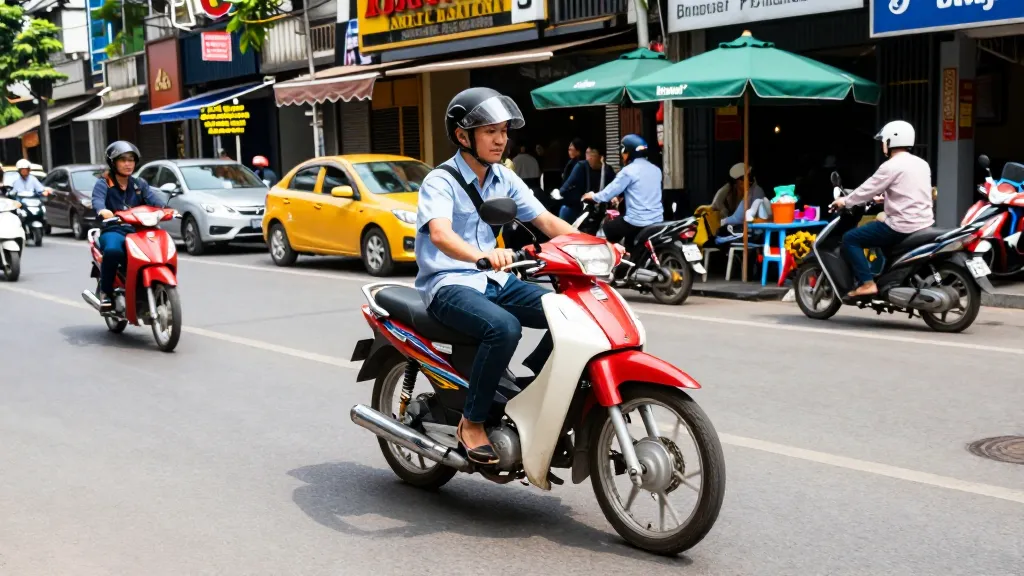
Renting a motorbike in Vietnam is a popular way to explore the country, but choosing the right type can make a big difference in your experience. Whether you opt for a semi-automatic or scooter depends on your riding skills, comfort, and the terrain you'll be navigating. This article covers the key differences between semi-automatic and scooter options, helping you decide which is best for your needs. We also provide a step-by-step guide on how to rent a motorbike in Vietnam, from where to find one to what to expect during the process. Safety is a top priority, so we’ll share essential gear, riding rules, and tips for staying safe on Vietnam’s busy roads. Whether you're a first-time rider or planning a long-term trip, this guide will help you ride with confidence and ease.
Choosing Between Semi-Automatic and Scooter: What's Right for You
Choosing between a semi-automatic motorbike and a scooter in Vietnam depends on your experience, comfort level, and the type of terrain you'll be riding on. Both options have their advantages, and understanding the differences can help you make an informed decision that suits your travel needs.
Semi-Automatic Motorbikes: The Standard Choice
Semi-automatic motorbikes are the standard choice for most riders in Vietnam due to their versatility and performance. These bikes offer greater control over acceleration and braking, making them suitable for a wide range of terrains, including city streets and rural roads. They are also more fuel-efficient and provide a more engaging riding experience, which is why they are widely available and preferred by both locals and tourists.
Scooters: The Easier Option for New Riders
Scooters are an easier option for new riders, especially those unfamiliar with manual transmissions. They operate with a single gear and a throttle, eliminating the need to shift gears manually. This makes them more user-friendly and less stressful for beginners, particularly in busy urban environments. However, scooters may not be as efficient on long distances or rough terrain, so they are best suited for shorter trips and city travel.
How to Rent a Motorbike in Vietnam: A Step-by-Step Guide
Renting a motorbike in Vietnam is a popular way to explore the country, but it requires careful planning to ensure a smooth and safe experience. Choosing the right rental service and understanding the process will help you avoid common pitfalls and enjoy your ride with confidence.
- Choose a reputable rental company with good reviews.
- Bring your passport and be prepared to pay a deposit.
- Ensure the bike is in good condition and has proper insurance.
Where to Rent a Motorbike in Vietnam
Finding a reliable rental company is crucial for a positive experience. Many motorbike rentals are available in major cities like Hanoi, Ho Chi Minh City, and Da Nang, often near tourist areas or hostels. Look for companies with positive reviews on travel forums, social media, or trusted travel websites. Avoid rental shops that seem too cheap or lack clear information about their services.
What to Expect When Renting
When you arrive at the rental location, you will need to present your passport and possibly a copy of your travel insurance. Most companies require a deposit, typically ranging from $50 to $150, which is refundable upon returning the bike in good condition. Be prepared to pay in cash, as some rental services may not accept credit cards. The rental agreement should outline the terms, including insurance coverage, maintenance responsibilities, and any additional fees for damages or late returns.
Safety Tips for Riding in Vietnam
Safety is paramount when riding a motorbike in Vietnam, where roads can be chaotic and unpredictable. Adhering to safety practices not only protects you but also helps avoid accidents and legal issues. Prioritizing protective gear, understanding local traffic rules, and staying alert to your surroundings are essential for a safe and enjoyable ride.
Essential Safety Gear for Riders
Wearing a helmet is non-negotiable when riding in Vietnam. Helmets are mandatory by law, and many rental shops provide them, though it's advisable to bring your own for better fit and comfort. In addition to a helmet, gloves, sturdy boots, and a high-visibility jacket are recommended. These items protect against injuries from falls and reduce the risk of being hit by other vehicles.
Riding Rules and Road Conditions in Vietnam
Vietnam's roads are often busy, with frequent overtaking, sudden turns, and limited signage. Always follow traffic rules, including stopping at red lights and yielding to pedestrians. Stay alert for motorbike traffic, which is common and often moves at high speeds. Avoid distractions like using your phone, and be prepared to brake suddenly. Understanding local driving habits, such as honking to signal intentions, can also help you navigate safely.
Cost of Motorbike Rentals and Additional Fees
Understanding the costs of renting a motorbike in Vietnam is crucial for budgeting your trip. Rental prices can vary significantly depending on the city, season, and type of motorbike you choose. Being aware of potential hidden fees will help you avoid unexpected expenses and ensure a smoother rental experience.
| City | Semi-Automatic Rental (per day) | Scooter Rental (per day) | Insurance Fee (per day) | Fuel Deposit (USD) |
|---|---|---|---|---|
| Hanoi | $8 – $12 | $10 – $15 | $2 – $4 | $5 – $10 |
| Ho Chi Minh City | $9 – $13 | $11 – $16 | $3 – $5 | $6 – $12 |
| Da Nang | $7 – $11 | $9 – $14 | $2 – $4 | $5 – $10 |
| Nha Trang | $8 – $12 | $10 – $15 | $2 – $4 | $6 – $11 |
Average Rental Costs in Major Cities
Average rental costs in major cities reflect the local demand and infrastructure. In Hanoi, semi-automatic motorbikes typically range from $8 to $12 per day, while scooters are slightly more expensive at $10 to $15. In Ho Chi Minh City, prices are similar, with semi-automatic bikes costing $9 to $13 and scooters $11 to $16. Da Nang and Nha Trang offer slightly lower rates, especially for scooters, which are often preferred by tourists due to their ease of use. These prices can increase during peak travel seasons, so it's wise to book in advance.
Understanding Hidden Fees and Deposits
Hidden fees can significantly impact your total cost. Insurance fees usually range from $2 to $5 per day, covering damage or theft. Fuel deposits vary from $5 to $12, depending on the city and rental company. Always clarify whether fuel is included in the rental price or if you'll be charged separately. Some companies may also add a cleaning fee or charge for returning the bike late. Reading the rental agreement carefully and comparing terms across providers is essential to avoid surprises.
Tips for First-Time Riders and Long-Term Travelers
Whether you're a first-time rider or planning to use a motorbike for an extended trip, preparation and adaptability are key to a safe and enjoyable experience in Vietnam. Understanding how to approach your ride can make a significant difference in your overall travel experience.
Getting Started as a First-Time Rider
As a first-time rider, it's crucial to take a short ride first to test the bike and your comfort. This allows you to get a feel for the motorbike's handling, braking, and acceleration without the pressure of a long journey. Familiarizing yourself with the bike's controls and how it responds to your input can help build confidence and reduce the risk of accidents.
Tips for Long-Term Travelers Using Motorbikes
For long-term travelers, planning your route in advance can help you avoid traffic and delays, ensuring a smoother and more efficient journey. Researching key routes, rest stops, and potential roadblocks can save time and reduce stress. However, staying flexible is equally important, as local conditions such as weather, roadworks, and unexpected traffic can change rapidly. Adapting to these situations with calm and patience will enhance your travel experience.
Frequently Asked Questions
Is it legal to ride a motorbike in Vietnam without a license?
It is illegal to ride a motorbike in Vietnam without a valid license. Authorities conduct regular checks, and fines can be severe. Always ensure you have a license before renting.
What should I do if my rented motorbike breaks down?
Contact the rental company immediately. Most providers offer support or replacement options. Avoid attempting repairs yourself unless instructed.
Are there any restrictions on where I can ride a motorbike?
Yes, certain areas have restrictions, including national parks and some urban zones. Always check local regulations and ask the rental company for guidance.
How long does a typical motorbike rental in Vietnam last?
Rental periods usually range from one day to a week, depending on the provider. Confirm the duration and any additional charges for extensions.
Final Thoughts
Choosing the right motorbike type and prioritizing safety is essential for a smooth experience. Always verify rental terms and prepare for unexpected situations.
With proper planning and awareness, renting a motorbike in Vietnam can be an enjoyable and efficient way to explore the country. Start by selecting the right vehicle and gear.