Vietnam Currency Guide: Vietnamese Dong, ATMs, Credit Cards, and Tipping
 vietgo8 min read
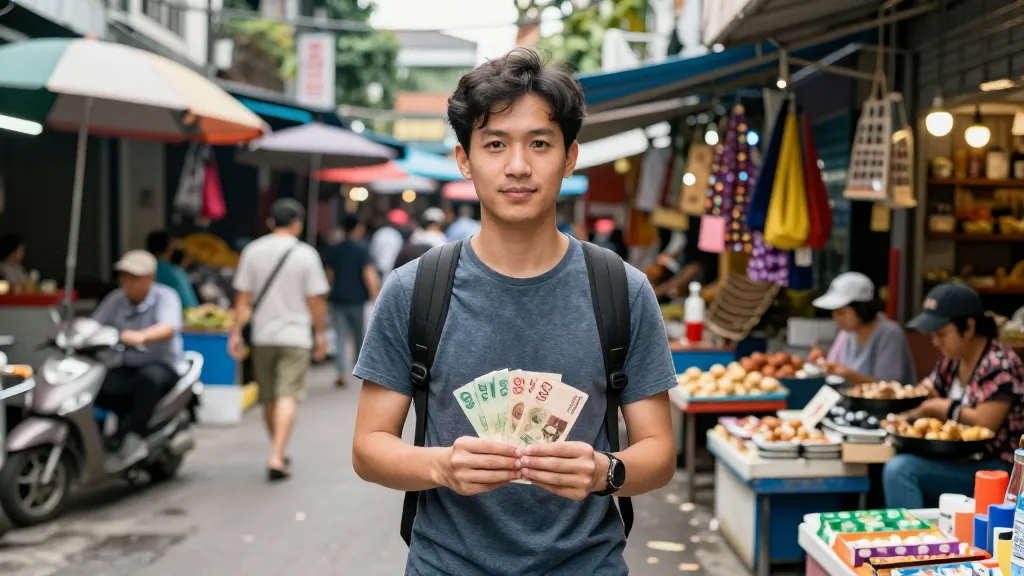
Planning a trip to Vietnam can be exciting, but navigating the local currency and payment systems can be a challenge. Understanding how to handle money in Vietnam is essential for a smooth and stress-free experience. This Vietnam Currency Guide: Vietnamese Dong, ATMs, Credit Cards, and Tipping will help you manage your finances with confidence. From exchanging currency to using ATMs and credit cards, we’ll cover everything you need to know to stay on top of your spending. Whether you’re a first-time visitor or returning traveler, this guide will ensure you’re prepared for the local financial landscape. Tipping is also an important aspect of Vietnamese culture, so we’ll explain when and how much to tip in various situations. With this guide, you’ll feel more at ease knowing you’re equipped to handle money in Vietnam.
Understanding Vietnamese Currency
Understanding the currency of Vietnam is essential for travelers planning to visit the country. The official currency is the Vietnamese Dong (VND), which is used in everyday transactions throughout the nation. Familiarizing yourself with the currency will help you navigate markets, restaurants, and other local businesses with confidence.
What Is Vietnamese Dong?
The Vietnamese Dong (VND) is the official currency of Vietnam and is subdivided into 100 cents. It is the primary medium of exchange for goods and services across the country. The currency is issued by the State Bank of Vietnam and is available in both paper notes and coins. Notes come in denominations of 200,000, 100,000, 50,000, 20,000, 10,000, and 5,000 VND, while coins are available in 50, 20, 10, 5, and 2 VND. These denominations are commonly used in daily transactions, from small purchases to larger expenses.
Where to Find Vietnamese Dong
Vietnamese Dong can be found in various places throughout Vietnam, including banks, exchange offices, and retail outlets. Most major cities and tourist areas have ATMs that dispense VND, making it easy for travelers to access cash. Additionally, currency exchange counters at airports and hotels are common, especially in popular destinations like Hanoi, Ho Chi Minh City, and Da Nang. When exchanging money, it is advisable to compare rates and fees to ensure you get the best value. In smaller towns and rural areas, cash is still the preferred method of payment, so carrying sufficient VND is recommended for convenience and security.
Using ATMs in Vietnam
ATMs are a convenient way to access cash while traveling in Vietnam, though it's important to be aware of potential fees and limitations. Most major cities and tourist areas have a good number of ATMs, making it easy to withdraw local currency. However, understanding the costs and how currency conversion works can help you manage your finances more effectively during your trip.
- Locate ATMs in busy areas like markets, malls, and transportation hubs. These locations often have multiple machines, increasing the chances of finding one that works with your card.
- Check with your bank before traveling to confirm if your card is compatible with Vietnamese ATMs and whether any fees apply for international transactions.
- Be cautious of machines that appear poorly maintained or are placed in remote locations, as these may be scams or have higher fees.
- Always withdraw more than you need in one transaction to avoid multiple fees, especially if you're using a foreign card.
Finding ATMs in Vietnam
Finding ATMs in Vietnam is generally straightforward, especially in urban centers and tourist hotspots. Cities like Hanoi, Ho Chi Minh City, and Da Nang have numerous ATMs in shopping districts, banks, and transportation hubs. Many hotels and restaurants also have ATMs available for guests. However, it's advisable to carry some local currency as a backup, particularly in more remote areas where ATMs may be less common.
ATM Fees and Currency Conversion
ATM fees in Vietnam can vary depending on your card issuer and the type of account you hold. Domestic transactions are typically free, but international withdrawals often incur a fee, which can range from 1% to 3% of the withdrawal amount. Additionally, some banks charge a flat fee for each transaction. When using a foreign card, the currency conversion rate may also affect the total amount you receive. Always check the fee schedule provided by your bank before initiating a withdrawal to avoid unexpected charges.
Credit Card Usage in Vietnam
Credit card usage in Vietnam is becoming more common, especially in urban areas and tourist spots. While cash remains the preferred method of payment in smaller towns, many businesses, hotels, and transportation services accept Visa and Mastercard. However, it's essential to be aware of potential fees and limitations when using credit cards in Vietnam.
- Visa and Mastercard are widely accepted in Vietnam, particularly in cities like Hanoi, Ho Chi Minh City, and Da Nang.
- Some merchants may charge a fee for processing credit card transactions, so it's wise to check with the business beforehand.
- Debit cards and prepaid cards are also accepted in many places, but availability can vary.
- Always confirm with the merchant whether your card is accepted, especially in rural or less touristy areas.
Which Credit Cards Work in Vietnam?
Major international credit cards such as Visa and Mastercard are accepted in most hotels, restaurants, and shops in Vietnam. These cards are commonly used in larger cities and tourist destinations, where payment systems are more developed. However, smaller towns and rural areas may have limited acceptance, so it's advisable to carry some cash for these locations.
Some businesses, particularly in the service sector, may impose a small fee for using a credit card. This is often due to the foreign transaction fees charged by the card issuer. Before making a purchase, it's a good idea to ask the merchant if they accept credit cards and whether any additional charges apply.
Tips for Using Credit Cards
When using a credit card in Vietnam, it's important to be mindful of currency conversion rates and exchange fees. Many card issuers charge a fee for international transactions, which can impact the total cost of your purchase. To avoid unexpected charges, consider using a card with no foreign transaction fees or opt for a local currency option if available.
Always keep your credit card secure and be cautious of card skimming devices at ATMs and payment terminals. It's also a good practice to notify your card issuer of your travel plans to prevent your card from being blocked during your trip.
Tipping in Vietnam
Tipping in Vietnam is not a strict requirement, but it is a thoughtful way to show appreciation for good service. While locals may not expect tips, a small gesture can go a long way in building positive relationships with service providers. Understanding when and how much to tip can help travelers navigate cultural expectations with confidence.
- Tipping is not expected in Vietnam but is appreciated for good service.
- Tips are often given in cash, usually a small amount.
- Be mindful of local customs and avoid over-tipping.
- Avoid tipping for basic services like public transportation or street food.
When to Tip in Vietnam
In Vietnam, tipping is generally not expected for most services, including hotel staff, restaurant staff, and tour guides. However, it is common to tip for exceptional service or as a gesture of goodwill. For example, leaving a small amount in cash for a waiter who goes above and beyond is a way to express gratitude. It's important to be aware that in some cases, service charges or taxes may already be included in the bill, so tipping should be done with care to avoid duplication.
How Much to Tip in Vietnam
When tipping, it is customary to use cash rather than coins or notes. A small amount, such as 5,000 to 10,000 VND (approximately 0.20 to 0.40 USD), is typically sufficient for most situations. Avoid giving large sums, as this may be perceived as excessive or even disrespectful. In some contexts, such as in restaurants or hotels, a tip of 10% of the total bill is acceptable, but it's always best to observe local practices and adjust accordingly.
Managing Your Money in Vietnam
Managing your money in Vietnam effectively can enhance your travel experience and help avoid unnecessary expenses. By planning ahead and staying informed, you can make the most of your budget while navigating the local financial system with confidence.
Money Tips for Travelers
Plan to exchange currency before arriving or use ATMs for convenience. While exchanging money at the airport or bank can be an option, it's often more cost-effective to exchange currency at local banks or use ATMs. ATMs in Vietnam typically offer competitive exchange rates and are widely available in urban areas. However, be sure to check the fees associated with cash withdrawals and currency conversion to avoid unexpected charges.
Avoiding Common Financial Pitfalls
Carry a mix of cash and cards to cover different situations. While credit cards are increasingly accepted in Vietnam, especially in larger cities and tourist areas, cash remains essential for smaller transactions, street food, and local markets. Always keep some Vietnamese Dong on hand, and consider using a travel-friendly credit card with no foreign transaction fees. Stay aware of local exchange rates and avoid unnecessary fees by comparing options and using reliable financial services.
Frequently Asked Questions
Are Vietnamese ATMs safe to use?
Vietnamese ATMs are generally safe to use, but it's advisable to avoid withdrawing large sums at night. Always check for any suspicious activity and use ATMs in well-lit, public areas.
What is the best way to exchange currency in Vietnam?
Exchanging currency at banks or authorized exchange offices is typically the safest option. Avoid exchanging large amounts at airports or tourist spots to prevent scams and get better rates.
Can I use my debit card to withdraw cash in Vietnam?
Most international debit cards can be used in Vietnam, but it's wise to check with your bank before traveling. Some banks may charge fees for international transactions, so consider notifying them of your travel plans.
Is it necessary to tip in Vietnam?
Tipping is not strictly necessary but is appreciated in Vietnam. A small tip of 5,000 to 10,000 VND is common for services like taxi rides, hotel staff, and tour guides.
Final Thoughts
Managing your finances in Vietnam is straightforward with the right tools and knowledge. Always carry some cash for small purchases and keep your credit card secure. Be mindful of local customs and practices when it comes to tipping.
To make the most of your trip, plan ahead by checking your bank's international fees, using ATMs wisely, and being aware of cultural norms. A well-prepared traveler will enjoy a smoother and more enjoyable experience in Vietnam.