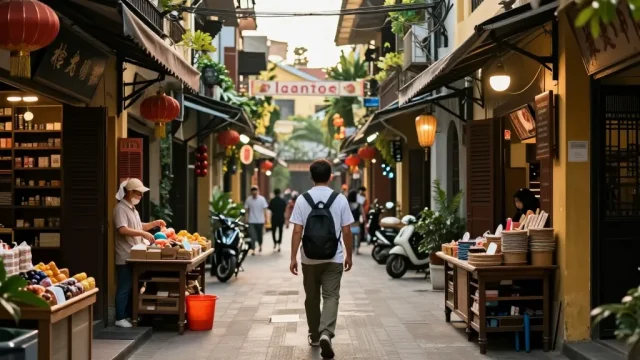
Vietnam Packing List: Essential Clothes and Gear for North and South Weather
 vietgo7 min read
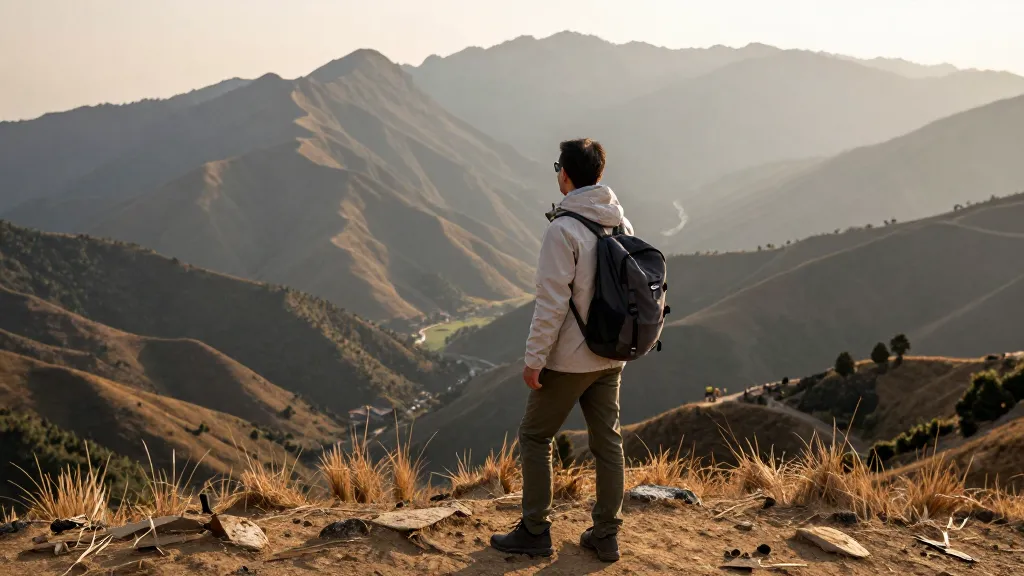
Planning a trip to Vietnam means navigating a country where weather can vary dramatically from one region to another. Whether you're heading to the cool mountainous north or the tropical south, knowing what to pack is crucial for comfort and preparedness. This article provides a comprehensive Vietnam packing list: essential clothes and gear for North and South weather, tailored to the unique climate conditions of each area. From layering tips for the chilly north to sun protection essentials for the humid south, you’ll find practical advice to suit your travel needs.
Vietnam’s climate zones are as diverse as its landscapes, making it important to understand the seasonal patterns before finalizing your packing list. The north experiences cold winters and warm summers, while the south enjoys a consistently hot and humid climate throughout the year. This guide breaks down the weather differences and helps you choose the right clothing and gear for each destination.
With a well-organized packing list, you can ensure you’re prepared for any weather condition without overpacking. Learn how to create a personalized checklist and pack efficiently, so you can focus on enjoying your trip to Vietnam with confidence and comfort.
Understanding Vietnam’s Climate Zones
Vietnam's climate varies significantly between its northern and southern regions, making it essential to understand these differences before packing. The north experiences distinct seasonal changes, while the south has a more consistent climate with two main seasons. This variation affects temperature, rainfall, and overall weather conditions, which in turn influence the clothing and gear you should bring.
North Vietnam Weather Patterns
North Vietnam, particularly regions like Hanoi and Lao Cai, has a temperate climate with four distinct seasons. Winters, from December to February, are cool and occasionally rainy, while springs and autumns are mild. Summers, from May to August, are hot and humid, often accompanied by heavy monsoon rains. These seasonal variations mean travelers should prepare for a range of weather conditions, from light layers in winter to breathable fabrics in summer.
South Vietnam Weather Patterns
In contrast, South Vietnam, including cities like Ho Chi Minh City and Da Nang, has a tropical climate with two main seasons: a hot, humid summer from May to November and a cooler, drier winter from December to April. The south experiences less rainfall compared to the north, but temperatures remain consistently warm throughout the year. Travelers should prioritize lightweight, moisture-wicking clothing and sun protection essentials to cope with the heat and occasional rain.
Essential Clothing for North Vietnam
North Vietnam experiences cooler and more variable weather, especially in the mountainous regions and during the winter months. To stay comfortable and prepared, it’s important to pack clothing that adapts to these conditions. Layering is key, as temperatures can drop significantly, particularly at night or in high-altitude areas.
- Lightweight sweaters and thermal clothing for colder months
- Scarves and hats to protect against wind and cold
- A waterproof jacket for sudden rain or mountain weather
- Comfortable walking shoes for exploring cities and temples
Layering for Cold and Cool Climates
Layering is essential for North Vietnam’s unpredictable climate. A lightweight sweater or thermal top can be paired with a long-sleeve shirt for added warmth. A light jacket or fleece can be worn over these layers for versatility. This approach allows you to adjust to temperature changes throughout the day, ensuring you stay comfortable in both cool and mild conditions.
Weather-Appropriate Footwear and Accessories
Weather-appropriate footwear and accessories are crucial for navigating North Vietnam’s terrain. Comfortable shoes with good grip are necessary for walking on uneven paths in mountain regions or city streets. A waterproof jacket is also essential, as sudden rain showers can occur, especially when traveling to high-altitude areas like Sapa. A hat or beanie can provide additional protection against cold winds and sun exposure.
Essential Clothing for South Vietnam
South Vietnam's climate is consistently warm and humid, making it essential to pack clothing that breathes and wicks away moisture. Choosing the right fabrics and accessories can greatly enhance comfort and protect against the elements.
- Lightweight, breathable clothing made from cotton or linen
- Moisture-wicking fabrics for hot and humid conditions
- Wide-brimmed hat and UV-protective sunglasses
- Lightweight rain jacket for sudden showers
Clothing for Hot and Humid Climates
Lightweight, breathable clothing is crucial for South Vietnam's hot and humid climate. Fabrics like cotton and linen allow air to circulate, keeping you cool and comfortable. Opt for loose-fitting garments that don't trap heat, and consider packing a few versatile pieces that can be layered or mixed for different occasions.
Sun Protection Essentials
Sun protection is vital in South Vietnam's intense sunlight. A wide-brimmed hat provides shade for your face and neck, while UV-protective sunglasses shield your eyes from harmful rays. These items are not only practical but also essential for preventing sunburn and long-term skin damage.
Important Travel Gear for Vietnam
When preparing for your Vietnam trip, selecting the right travel gear can significantly enhance your comfort and convenience. From packing essentials to electronic accessories, the right tools can make your journey smoother and more enjoyable.
- A reliable backpack or suitcase with good ventilation is essential.
- Include a reusable water bottle and a portable power bank.
- A travel-sized first aid kit is a must for any trip.
- Carry a small notebook and pen for jotting down notes or ideas.
- A universal adapter is necessary for charging electronic devices.
Packing for Practicality and Comfort
Packing for practicality and comfort means choosing gear that meets your needs without being overly bulky. A reliable backpack or suitcase with good ventilation helps manage the heat and keeps your belongings organized. Opt for a lightweight, durable bag that can carry all your essentials while remaining easy to maneuver through crowded areas or public transport.
Essential Electronics and Accessories
Essential electronics and accessories can make your trip more efficient. A reusable water bottle is crucial for staying hydrated in the tropical climate, while a portable power bank ensures your devices stay charged during long days of sightseeing. A travel-sized first aid kit is also vital for minor injuries or ailments, and a small notebook and pen can help you record ideas, local tips, or even sketch maps as you go. Lastly, a universal adapter is necessary to charge your electronics, ensuring you stay connected and prepared for any situation.
How to Organize Your Vietnam Packing List
Organizing your Vietnam packing list ensures you're prepared for the diverse climates and travel demands of the country. A well-structured approach helps you avoid overpacking and ensures you have everything needed for comfort and security.
- Create a checklist based on your itinerary and the regions you'll visit.
- Group items by category to make packing more efficient.
- Use packing cubes or compression bags to save space.
- Keep valuables secure with a money belt or travel pouch.
- Double-check your list before leaving home.
Creating a Personalized Packing Checklist
Creating a personalized packing checklist starts with reviewing your travel itinerary. List the regions you'll visit and note the typical weather conditions. Include items specific to each location, such as layers for the North or swimwear for the South. This tailored approach ensures you don’t miss critical items and minimizes the risk of overpacking.
Smart Packing Techniques for Space and Security
Smart packing techniques help maximize space and security. Use packing cubes to organize clothes by category, such as shirts, pants, and socks, which makes it easier to find items during your trip. Compression bags are ideal for bulky items like jackets or sweaters. For security, store valuables like passports, cash, and electronics in a money belt or travel pouch to keep them safe and accessible.
Frequently Asked Questions
What should I pack for a trip to Hanoi in the winter?
In winter, Hanoi experiences cold and damp weather. Pack warm layers, a waterproof jacket, and thermal wear. Include comfortable shoes and a scarf for added comfort.
How do I prepare for the hot and humid weather in Ho Chi Minh City?
For Ho Chi Minh City, prioritize lightweight, breathable clothing. Bring a hat, sunglasses, and high-factor sunscreen. Include quick-dry fabrics and a reusable water bottle.
Is it necessary to bring a waterproof jacket for Vietnam?
A waterproof jacket is useful in northern Vietnam during the rainy season. It can also be handy in unexpected downpours, ensuring you stay dry and comfortable.
What are the best items to include in a Vietnam travel first aid kit?
Include pain relievers, antiseptic wipes, adhesive bandages, and insect repellent. Add personal medications and a small thermometer for added safety.
Final Tips for a Seamless Vietnam Trip
A well-prepared Vietnam packing list ensures comfort and convenience across different climates. Tailoring your gear to the region and season makes your trip more enjoyable and stress-free.
Review your checklist, pack smart, and stay adaptable. With the right essentials, you'll be ready to explore Vietnam's rich culture and natural beauty with ease.