7-Day Vietnam Photography Itinerary: Best Sunrise and Sunset Locations
 vietgo8 min read
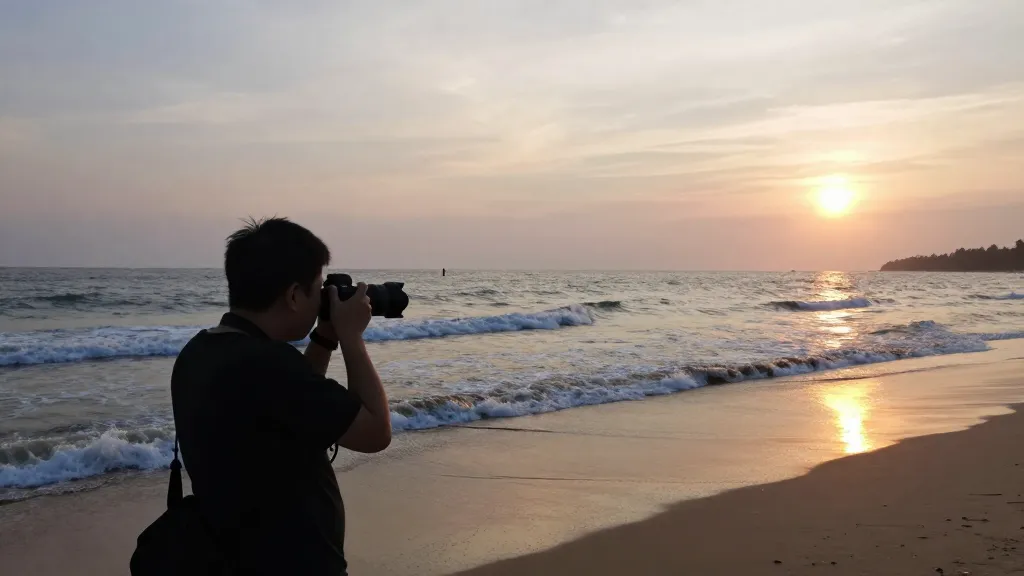
If you're a photography enthusiast planning a trip to Vietnam, capturing the perfect sunrise and sunset can be a dream come true. A 7-Day Vietnam Photography Itinerary: Best Sunrise and Sunset Locations can help you make the most of your time in this stunning country, ensuring you don’t miss the golden hour at iconic landmarks. This guide is tailored for travelers who want to focus on natural beauty, cultural sites, and the best light for photography. Whether you're a seasoned pro or just starting out, this itinerary will help you plan your trip with confidence.
The itinerary is designed to balance travel and photography, offering a mix of cultural experiences and natural landscapes. Each day is carefully selected to provide the best opportunities for sunrise and sunset shots, from the serene beauty of Hue to the vibrant energy of Hoi An. You'll also get to explore lesser-known spots that offer unique perspectives for your camera.
From the misty mountains of Da Nang to the pristine beaches of Phu Quoc, this journey is perfect for capturing the essence of Vietnam through your lens. With practical tips on equipment and timing, you’ll be ready to take stunning photos that highlight the country’s natural and cultural wonders.
Planning Your 7-Day Vietnam Photography Itinerary
Planning your 7-day Vietnam photography itinerary requires careful consideration of timing, equipment, and environmental factors to capture the best sunrise and sunset shots. Understanding when to visit, selecting the right gear, and adapting to weather conditions will significantly enhance your ability to photograph Vietnam’s natural beauty and iconic landmarks.
When to Visit Vietnam for the Best Light
The best time to visit Vietnam for photography depends on the season and the type of light you want. From November to February, the skies are generally clear, and the light is soft and golden, ideal for capturing sunrise and sunset. During the dry season, the weather is more predictable, allowing for better planning of your shoots. However, if you prefer lush landscapes and vibrant colors, the rainy season from May to October offers unique opportunities, though it may require more flexibility in scheduling due to unpredictable weather patterns.
Choosing the Right Equipment and Camera Settings
Choosing the right equipment and camera settings is essential for capturing the best light in Vietnam. A camera with manual settings allows for greater control over exposure, especially during low-light conditions. A wide-angle lens is useful for landscapes, while a telephoto lens can help capture details in distant scenes. Additionally, a tripod is recommended for long exposures during sunrise and sunset. Adjusting ISO, aperture, and shutter speed according to the available light will ensure sharp, well-exposed images.
Day 1: Hue and the Perfume Pagoda
Day 1 of your Vietnam photography itinerary begins in Hue, where the Perfume Pagoda offers some of the country’s most striking sunrise and sunset photography opportunities. This serene site, perched high on a mountain, provides a unique blend of cultural and natural beauty, making it a must-visit for any travel photographer.
Sunrise at the Perfume Pagoda
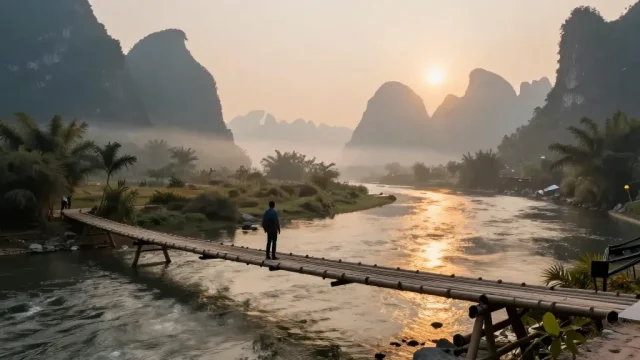
Arrive at the Perfume Pagoda early to capture the sunrise at the top of the mountain. The first light of day bathes the pagoda’s intricate architecture in a soft golden glow, creating a magical atmosphere. As the sun rises, the surrounding valley is illuminated, offering a breathtaking view of the landscape and the pagoda’s sacred structures. This is a perfect moment to experiment with long exposures and low-angle shots to emphasize the scale and grandeur of the site.
Sunset at the Base of the Mountain
As the day transitions to evening, head to the base of the mountain for a stunning sunset scene. The golden light casts a warm hue over the surrounding hills, creating a striking contrast against the darkening sky. The interplay of light and shadow at this time of day enhances the natural beauty of the landscape and offers unique opportunities to capture the tranquil atmosphere of the area. This sunset shot is ideal for showcasing the dramatic changes in light and the quiet serenity of the surroundings.
Day 2: Hoi An and the Lantern River Cruise
Day 2 of your Vietnam photography itinerary takes you to Hoi An, a town renowned for its blend of history, culture, and natural beauty. This day is designed to capture the magical transformation of the town as it transitions from dawn to dusk, offering unique opportunities to photograph both the sunrise and sunset, along with the vibrant local culture.
Sunrise on the Lantern River Cruise
Photograph the sunrise over the river and the old town's lanterns by boarding the lantern river cruise early in the morning. As the sun rises, the golden light illuminates the river, casting a warm glow on the lanterns that line the water. This moment is perfect for capturing the interplay of light and shadow, with the soft hues reflecting on the surface of the water. The gradual awakening of Hoi An adds a sense of serenity and beauty to your shots.
Sunset in the Old Town of Hoi An
As the day turns to evening, the sunset in the old town of Hoi An offers a striking contrast to the morning’s tranquility. The lanterns, which have been a symbol of the town’s charm throughout the day, are turned off as the sun sets, leaving the sky to reflect on the water. This moment is ideal for capturing the transition from day to night, with the last rays of sunlight creating a dramatic and poetic scene. The reflection of the sunset on the water adds a layer of depth and color to your photographs, making it a memorable moment to capture.
Day 3: Da Nang and the Marble Mountains
Day 3 of your Vietnam photography itinerary takes you to Da Nang, where the city skyline and the iconic Marble Mountains offer a perfect blend of urban and natural beauty. This day is ideal for capturing the interplay of light and shadow, with opportunities to photograph the sunrise over the city and the sunset at the peak of the mountains. The Golden Bridge, a popular spot for varied compositions, is also a key element to include in your shots throughout the day.
Sunrise Over Da Nang City
To capture the sunrise over Da Nang City, arrive at the coastal areas early, ideally around 5:30 AM. The golden light will reflect off the water and illuminate the city skyline, creating a serene and dramatic scene. Use a tripod for sharper images and adjust your camera settings to balance exposure and highlight details in the sky. The interplay of light on the sea and the cityscape offers a unique opportunity for creative compositions.
Sunset at the Top of the Marble Mountains
For the sunset at the top of the Marble Mountains, head to the summit around 5:30 PM to witness the dramatic lighting as the sun sets behind the hills. The contrast between the warm hues of the sky and the cool tones of the mountain will create striking images. The view from the top is panoramic, so use a wide-angle lens to capture the full scale of the landscape. This is also an excellent time to photograph the Golden Bridge against the backdrop of the setting sun for dynamic and atmospheric shots.
Day 4: Hoi An to Phu Quoc Island
Day 4 of your 7-day Vietnam photography itinerary takes you from the charming town of Hoi An to the tropical paradise of Phu Quoc Island. This day offers a perfect blend of natural beauty and cultural moments, allowing you to capture the sunrise from the ferry, the sunset on the beach, and the vibrant night market scene.
Sunrise on the Ferry to Phu Quoc
As the sun begins to rise over the horizon, the ferry to Phu Quoc Island becomes a unique vantage point for capturing the golden light. The early morning mist and the gentle waves create a serene atmosphere, ideal for long exposure shots that emphasize the softness of the light. Position yourself at the front of the ferry for the best view, and use a tripod to capture the slow motion of the water and the emerging light.
Sunset on the Beach of Phu Quoc
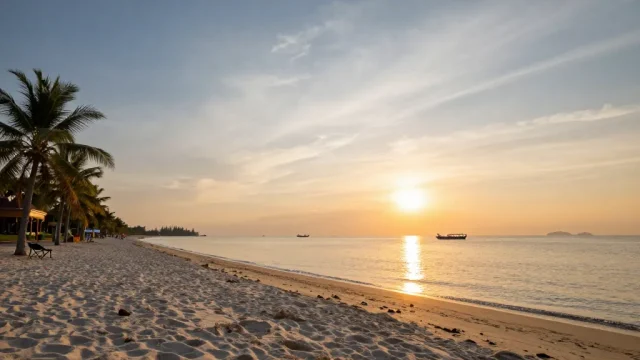
As the day transitions to evening, the beach of Phu Quoc offers a striking backdrop for sunset photography. The warm hues of the sky reflected in the ocean create a dramatic and visually rich scene. Focus on capturing the interplay of light and water, and consider using a polarizing filter to enhance the colors and reduce glare. After the sunset, the night market comes alive, offering a vibrant atmosphere filled with local culture and traditional activities.
Frequently Asked Questions
What are the best times of year to photograph sunrise and sunset in Vietnam?
The best times to capture sunrise and sunset in Vietnam are during the dry season, from November to April. During this period, the weather is stable, and the light is ideal for photography. However, the specific timing of sunrise and sunset can vary depending on the location and the time of year.
How do I get from Hue to Hoi An for the photography itinerary?
To get from Hue to Hoi An, you can take a bus, which takes approximately 3 to 4 hours. Alternatively, you can rent a car or hire a private driver for more flexibility and convenience. This route allows you to capture the scenic landscapes of central Vietnam.
What camera settings should I use for sunrise and sunset photography in Vietnam?
For sunrise and sunset photography, use a tripod, a low ISO (around 100-400), and a narrow aperture (f/8 to f/16) to capture sharp details. Adjust the exposure time to balance the light and create a dramatic effect. These settings help you achieve optimal results in low-light conditions.
Are there any photography restrictions in the places mentioned in the itinerary?
Most of the locations mentioned in the itinerary allow photography, but it's essential to be respectful of local customs and traditions. Always ask for permission before photographing people, and be mindful of any restrictions in religious or cultural sites.
Final Thoughts
This 7-day itinerary offers a unique blend of cultural and natural beauty, allowing you to capture stunning sunrise and sunset shots across Vietnam. Each day is carefully planned to maximize the lighting conditions and scenic opportunities.
To begin your photography journey, plan your visit during the dry season and pack the right equipment. With a well-structured itinerary and awareness of local rules, you'll be well-equipped to create breathtaking images.