Vietnam E-Visa Application Guide: Step-by-Step Instructions and Processing Time
 vietgo8 min read
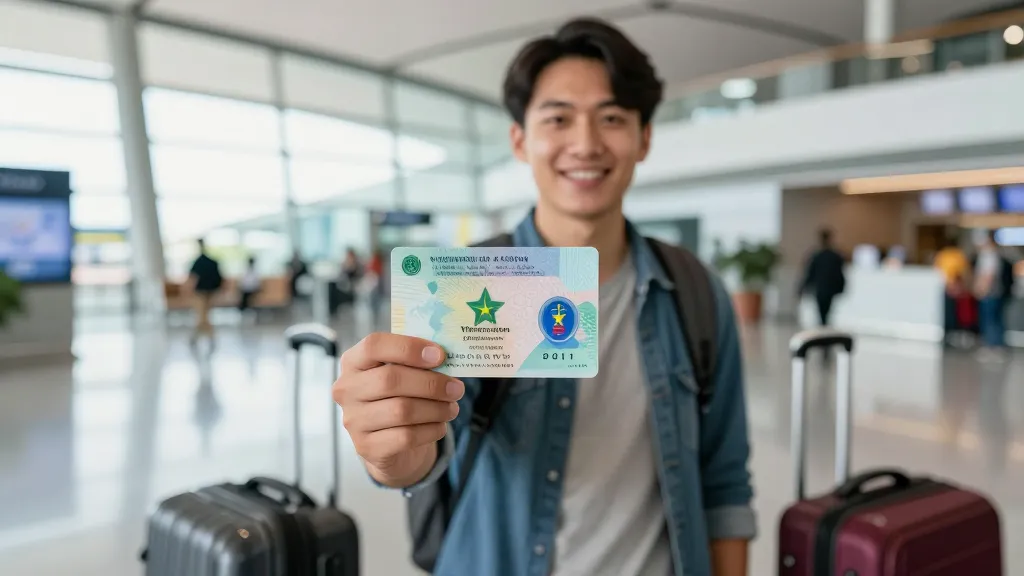
Planning a trip to Vietnam? A Vietnam E-Visa Application Guide: Step-by-Step Instructions and Processing Time can help you navigate the visa process with ease. Whether you're a first-time traveler or returning, understanding how to apply for an e-visa is essential for a smooth journey. This guide provides clear, practical steps to ensure you meet all requirements and avoid unnecessary delays. From eligibility criteria to processing times, we cover everything you need to know before submitting your application.
The Vietnam e-visa is a convenient option for many travelers, but the process can be confusing if you're unfamiliar with the details. This article breaks down the requirements, application steps, and timeline to help you prepare effectively. We also explain how to check your e-visa status online and what to do once you receive your approval. With this information, you can confidently plan your trip and focus on enjoying your time in Vietnam.
By following the guidance in this Vietnam E-Visa Application Guide: Step-by-Step Instructions and Processing Time, you'll save time and reduce stress during the application process. Whether you're applying from abroad or within Vietnam, the steps outlined here are designed to be clear and easy to follow. Let's get started with understanding your eligibility and gathering the necessary documents for a successful e-visa application.
Understanding Vietnam E-Visa Requirements
Before applying for a Vietnam e-visa, it's essential to understand the basic eligibility criteria and document requirements. This guide outlines who qualifies for an e-visa, the necessary passport details, and the purpose of your visit to ensure you select the correct visa type.
Who Is Eligible for a Vietnam E-Visa?
Citizens of 157 countries are eligible for a Vietnam e-visa, including the United States, the United Kingdom, and most European nations. To qualify, you must hold a valid passport with at least six months of validity from your intended date of departure. Additionally, you must not be a citizen of a country that requires a different visa type, such as a diplomatic or business visa. The e-visa is typically issued for tourism, business, or family visits, so it's important to confirm your travel purpose before applying.
What Documents Are Needed for an E-Visa Application?
The required documents for an e-visa application include a valid passport, a completed online application form, and proof of your travel arrangements. You must provide a scanned copy of your passport's information page and a recent passport-sized photograph. Some applicants may also need to submit additional documents, such as a hotel reservation or a letter of invitation, depending on the visa type. It's crucial to ensure all documents are clear, legible, and meet the specified format to avoid delays in processing.
Step-by-Step Vietnam E-Visa Application Process
The Vietnam e-visa application process begins with creating an account on the official portal, which is essential for submitting your application securely. Once your account is set up, you can proceed to fill out the form with accurate details and upload necessary documents. This step-by-step guide ensures clarity and helps avoid common mistakes during the application.
- Create an account on the official Vietnam e-visa portal.
- Complete the online application form with accurate personal and travel details.
- Upload a clear passport-sized photo and supporting documents.
- Pay the e-visa fee using a secure payment method.
- Submit your application and wait for approval.
How to Create an E-Visa Account
To create an e-visa account, visit the official Vietnam e-visa portal and click on the 'Register' button. You will need to provide your full name, email address, and a password to set up your account. Make sure to keep your login details safe, as they will be required for accessing your application status and making payments.
Filling Out the Application Form
When filling out the application form, ensure all personal and travel details are accurate. This includes your full name, date of birth, nationality, and contact information. You will also need to provide details about your travel plans, such as the arrival and departure dates, and the purpose of your visit. Inaccuracies can lead to delays or rejection of your application.
Uploading Supporting Documents
Uploading supporting documents is a crucial step in the e-visa application process. You must include a clear passport-sized photo, a scanned copy of your passport, and proof of your travel arrangements, such as a flight itinerary or hotel booking. All documents should be in PDF format and clearly legible to avoid any issues during the verification process.
Processing Time and Approval Status
Understanding the processing time and approval status of your Vietnam E-Visa is crucial for planning your trip. Knowing how long it takes to receive your visa and how to track its progress can help you avoid last-minute issues and ensure a smooth travel experience.
How Long Does It Take to Get a Vietnam E-Visa?
The typical processing time for a Vietnam E-Visa is between 3 to 5 business days, though this can vary depending on the volume of applications and the efficiency of the processing center. Most applicants receive their e-visa within this timeframe, but it’s wise to apply at least two weeks before your planned travel date to account for any delays. If you submit your application closer to your travel date, you may experience longer processing times, especially during peak travel seasons.
Checking Your E-Visa Status Online
After submitting your application, you can check your E-Visa status online using the official Vietnam Immigration Portal. Log in to your account and navigate to the 'Application Status' section to view the current status of your request. If your application is pending, you may need to wait for additional verification or provide further documentation. Once approved, you will receive a confirmation email with your e-visa details, which you should print and carry with you during your trip.
Tips for a Smooth E-Visa Application
Before submitting your e-visa application, double-check all personal and travel details. Even minor errors, such as a typo in your name or an incorrect passport number, can lead to delays or rejections. This step is crucial to avoid the hassle of resubmitting your application after approval.
- Verify all personal details before submission to prevent errors.
- Ensure your passport is valid for at least six months beyond your departure date.
- Double-check supporting documents for accuracy and completeness.
- Align your travel dates with the e-visa validity period to avoid overstaying.
- Save and print your e-visa confirmation for easy access during your trip.
Avoid common mistakes by ensuring your passport is valid for at least six months beyond your planned departure date from Vietnam. Also, verify that all supporting documents, such as your travel itinerary or hotel booking, are current and correctly formatted. Expired or incomplete documents can cause your application to be denied.
Plan your travel dates carefully to match the validity period of your e-visa. A standard Vietnam e-visa is valid for 30 days from the date of arrival, so ensure your arrival and departure dates fall within this window. Miscalculating this can result in overstaying and potential legal issues upon arrival.
Once your e-visa is approved, save the confirmation email and keep it accessible during your trip. You may need to present it at immigration checkpoints or when boarding your flight. It is also advisable to print a copy and store it securely in your travel documents.
What to Do After Receiving Your E-Visa
Once you receive your Vietnam e-visa, the next step is to print the confirmation and ensure it is clear and legible. Keep the printed copy in a safe place, as it will be required during immigration checks. It is also advisable to save a digital copy on your phone or computer for easy access. Make sure the document is not damaged or faded, as this could lead to complications at the border.
Before traveling, carefully check the validity period and entry conditions of your e-visa. Confirm the number of entries allowed, the duration of stay, and the permitted ports of entry. Your visa will typically be valid for 30 days from the date of issue, but this can vary depending on your nationality. Review the conditions to avoid any misunderstandings upon arrival.
Prepare all necessary travel documents for your arrival in Vietnam, including your passport, e-visa confirmation, and proof of accommodation. Having these documents ready will help streamline the immigration process and reduce delays. Ensure your passport is valid for at least six months beyond your planned departure date.
Familiarize yourself with Vietnam's immigration rules and border entry procedures to ensure a smooth arrival. Understand the requirements for customs declaration and any restrictions on bringing in goods. Being prepared can help prevent unnecessary delays and ensure a hassle-free entry into the country.
Frequently Asked Questions
Can I apply for a Vietnam e-visa if I'm a citizen of a country not listed on the official website?
If you're a citizen of a country not listed, you may not be eligible for the e-visa. Check the official list for approved nationalities. Some countries may require a different type of visa or entry permit.
What happens if my e-visa application is rejected?
If your application is rejected, you'll receive an email notification. You can reapply after addressing the reasons for rejection. Ensure all documents are accurate and meet the requirements.
Do I need to print my e-visa confirmation or can I show it on my phone?
You can display your e-visa on a mobile device or print it. Both options are acceptable for entry. Ensure the document is clear and accessible during your arrival at the border.
Is there a refund policy for the Vietnam e-visa application fee?
Refunds are generally not available once the application is submitted. Review the terms and conditions before applying. Some exceptions may apply if the visa is denied or revoked.
Final Steps and Preparation
A clear understanding of the e-visa requirements and a meticulous application process are essential for a smooth experience. Keeping track of the processing time and status ensures you're prepared for your arrival in Vietnam.
Once approved, your e-visa is valid for entry. Always verify your details before travel and ensure you have all required documents. Start your application now to avoid last-minute issues.