Top Eco-Lodges and Boutique Homestays in Northern Vietnam
 vietgo8 min read
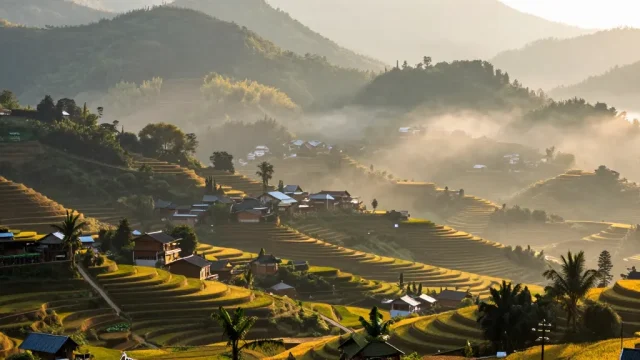
Looking for a unique and sustainable way to experience Northern Vietnam? The Best Eco-Lodges and Boutique Homestays in Northern Vietnam offer a perfect blend of comfort, culture, and eco-conscious living. Whether you're drawn to the serene landscapes of Sapa or the vibrant streets of Hanoi, these accommodations provide an intimate and environmentally friendly alternative to traditional hotels. Travelers seeking a deeper connection to the region’s natural beauty and local traditions will find these stays to be both refreshing and meaningful.
Eco-lodges and boutique homestays are designed with sustainability in mind, using renewable energy, local materials, and waste-reduction practices. These properties often support nearby communities, offering travelers a chance to engage with the culture while minimizing their environmental footprint. From cozy homestays in Ha Giang to eco-friendly retreats in Lao Cai, each option reflects a commitment to responsible travel.
This article explores the top eco-lodges and boutique homestays in Northern Vietnam, highlighting what to expect, how to book, and tips for making the most of your stay. Whether you're planning a short getaway or an extended trip, the Best Eco-Lodges and Boutique Homestays in Northern Vietnam provide a memorable and sustainable travel experience.
Why Choose Eco-Lodges and Boutique Homestays in Northern Vietnam
Eco-lodges and boutique homestays in Northern Vietnam offer a distinctive travel experience that combines sustainability, cultural immersion, and personal comfort. These accommodations are designed to minimize environmental impact while fostering deeper connections with local traditions and landscapes. For travelers seeking meaningful and responsible stays, these options provide a unique way to explore the region’s natural beauty and cultural heritage.
Sustainable Travel Benefits
Eco-lodges and boutique homestays prioritize sustainability by incorporating energy-efficient practices, waste reduction, and the use of locally sourced materials. Many properties rely on renewable energy sources such as solar power, reduce water consumption, and implement composting or recycling programs. These efforts not only lower the environmental footprint but also set a positive example for visitors, encouraging them to adopt more sustainable habits during their travels.
Cultural and Environmental Impact
By supporting local communities, eco-lodges and boutique homestays contribute to the economic and social well-being of the region. These accommodations often employ local staff, source ingredients from nearby farms, and collaborate with artisans to showcase traditional crafts. This commitment to local engagement helps preserve cultural heritage and ensures that tourism benefits the people who call Northern Vietnam home. Travelers can feel confident that their stay supports both environmental and community goals.
Top Eco-Lodges and Boutique Homestays in Northern Vietnam
Northern Vietnam offers a range of eco-lodges and boutique homestays that blend sustainability with unique cultural experiences. These accommodations are strategically located near natural landscapes and local communities, providing travelers with an immersive and responsible way to explore the region.
- Eco-Lodges in Sapa and Lao Cai
- Boutique Homestays in Hanoi and Ha Giang
- Eco-Lodges in Sapa and Lao Cai
- Boutique Homestays in H
Eco-Lodges in Sapa and Lao Cai
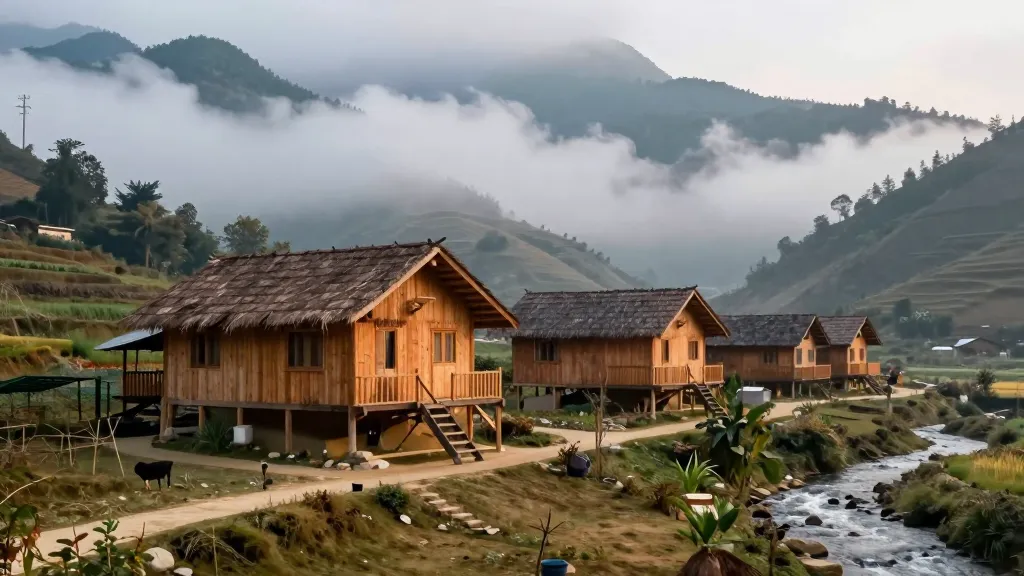
In Sapa and Lao Cai, eco-lodges like Lao Cai Eco Lodge offer a blend of rustic charm and modern sustainability. Situated near terraced rice fields and mountain trails, this property uses solar power and locally sourced materials. Guests can enjoy guided hikes to nearby villages and sample traditional ethnic cuisine. Prices range from $40 to $70 per night, with amenities including free Wi-Fi and a communal dining area.
Another standout is Sapa Eco Lodge, known for its eco-friendly design and proximity to the famous Fansipan mountain. This lodge features bamboo structures and rainwater harvesting systems, reflecting a deep respect for the environment. Travelers can participate in cultural tours with local guides or relax in the on-site garden. Rates are typically between $50 and $80, with additional costs for meals and tours.
Boutique Homestays in Hanoi and Ha Giang
In Hanoi and Ha Giang, boutique homestays like Homestay Ha Giang provide a cozy and authentic experience. Located in the scenic Ha Giang province, this homestay offers a warm welcome and traditional Vietnamese meals. Guests can explore the stunning Dong Van Karst Plateau or join a local cooking class. Prices start at around $30 per night, with optional activities available for an extra fee.
For a more urban vibe, Hanoi Boutique Homestay offers a blend of comfort and culture in the heart of the city. The property features a rooftop terrace with panoramic views, a cozy lounge, and a well-stocked kitchen for self-catering. Travelers can take guided tours to nearby historical sites or enjoy local street food just a short walk away. Rates range from $40 to $60, making it an affordable yet delightful option.
What to Expect at Eco-Lodges and Boutique Homestays
Eco-lodges and boutique homestays in Northern Vietnam offer travelers a unique blend of comfort, culture, and sustainability. Whether you're seeking a minimalist retreat with eco-conscious design or a personalized stay with curated local experiences, these accommodations prioritize quality and environmental responsibility.
Eco-Lodge Amenities and Sustainability
Eco-lodges often emphasize energy efficiency, waste reduction, and the use of locally sourced materials. Many properties utilize solar power, rainwater harvesting systems, and natural ventilation to minimize their carbon footprint. Guests can expect clean, well-ventilated rooms with minimal decor that highlights the surrounding landscape and local culture. These lodges frequently integrate renewable energy sources and sustainable waste management practices, ensuring that their operations have a low environmental impact.
Boutique Homestay Experiences
Boutique homestays, on the other hand, focus on personalized service and unique, often artistic decor that reflects the local heritage. These stays often include curated experiences such as guided cultural tours, local cooking classes, or artisan workshops. The emphasis is on creating a warm, intimate atmosphere where travelers can engage deeply with the local community and environment. While they may not prioritize sustainability as explicitly as eco-lodges, many boutique homestays incorporate eco-friendly practices to enhance the guest experience and support local conservation efforts.
How to Book Eco-Lodges and Boutique Homestays in Northern Vietnam
Booking eco-lodges and boutique homestays in Northern Vietnam requires a balance of research, planning, and communication to ensure a seamless and fulfilling experience. By leveraging trusted platforms and engaging directly with property owners, travelers can make informed decisions that align with their sustainability goals and travel preferences.
- Use trusted booking platforms like Booking.com, Agoda, or local travel agencies to compare prices, availability, and guest reviews.
- Check for sustainability certifications, eco-friendly practices, and guest feedback to ensure the property aligns with your values.
- Consider contacting the property directly for special requests, local recommendations, or to confirm sustainability initiatives.
- Book in advance during peak seasons to secure availability and ensure the property can accommodate your needs.
Booking Platforms and Tips
Trusted booking platforms such as Booking.com and Agoda offer a convenient way to compare multiple options, read guest reviews, and secure reservations. When using these platforms, prioritize properties that highlight their eco-friendly practices, such as energy-efficient systems, waste reduction efforts, and local partnerships. Pay attention to availability and price fluctuations, especially during peak travel seasons, to avoid last-minute disappointments.
Contacting Property Directly
Contacting the property directly can provide personalized insights and opportunities for customization. Many eco-lodges and boutique homestays welcome inquiries about specific needs, such as dietary requirements, accessibility, or cultural experiences. This direct communication also allows travelers to confirm sustainability certifications and ask about local recommendations, ensuring a more meaningful and tailored stay.
Tips for Travelers Staying at Eco-Lodges and Boutique Homestays
Staying at eco-lodges and boutique homestays in Northern Vietnam offers more than just a unique accommodation experience—it's an opportunity to travel responsibly and connect with the local culture. To make the most of your stay, it's essential to follow practical tips that ensure your visit supports sustainability and local traditions.
Respecting Local Culture and Environment
Respecting local customs and environmental guidelines is crucial for supporting sustainable practices. Many eco-lodges and homestays in Northern Vietnam are run by local communities, so following their rules, such as quiet hours or waste disposal protocols, helps preserve the environment. Additionally, dressing modestly in religious sites and learning basic greetings in Vietnamese can show appreciation for local traditions and foster positive interactions with residents.
Packing for Sustainable Travel
Packing eco-friendly toiletries and reusable items can significantly reduce your environmental impact. Bring biodegradable or refillable shampoo, conditioner, and toothpaste, and avoid single-use plastics like plastic bags or bottles. Reusable items such as water bottles, coffee mugs, and shopping bags not only cut down on waste but also align with the eco-conscious values of these accommodations. By making small changes to your travel habits, you contribute to a more sustainable and responsible trip.
Frequently Asked Questions
Are eco-lodges in Northern Vietnam suitable for families?
Many eco-lodges in Northern Vietnam offer family-friendly amenities such as spacious rooms, private bathrooms, and child-friendly activities. These lodges often provide a peaceful and educational environment, ideal for families looking to connect with nature and local culture.
What should I pack for a boutique homestay in Hanoi?
For a boutique homestay in Hanoi, pack lightweight clothing, comfortable walking shoes, and a reusable water bottle. Bring a small notebook and pen for journaling, and consider packing items that reflect local culture to enhance your experience.
Can I book eco-lodges in Sapa directly with the owner?
Yes, many eco-lodges in Sapa allow direct bookings through their websites or via local travel agencies. Booking directly can offer more personalized service and the opportunity to discuss specific needs or preferences with the owner.
Are there any hidden costs at boutique homestays in Vietnam?
Boutique homestays in Vietnam are generally transparent about pricing, but it's wise to confirm any additional charges for amenities like Wi-Fi, breakfast, or local tours. Always ask about payment methods and any potential extra fees before arrival.
Final Thoughts
Eco-lodges and boutique homestays in Northern Vietnam offer unique, sustainable travel experiences that blend comfort with cultural and environmental responsibility. Whether you're exploring the terraced fields of Sapa or the historic streets of Hanoi, these accommodations provide a memorable way to connect with the region's charm and beauty.
To make the most of your stay, research options that align with your travel goals and values. Booking through trusted platforms or directly with the property can ensure a seamless and enriching experience.