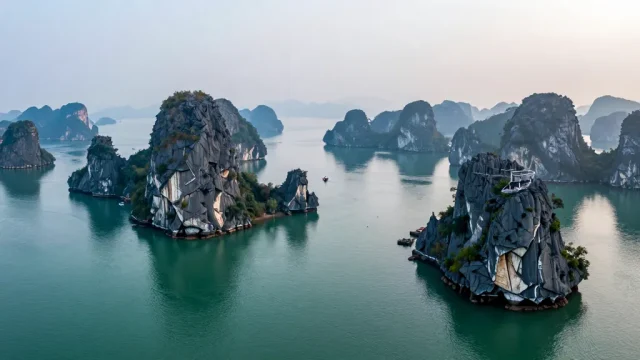
Hidden Gems in Vietnam: 12 Off-the-Beaten-Path Places Worth Visiting
 vietgo8 min read
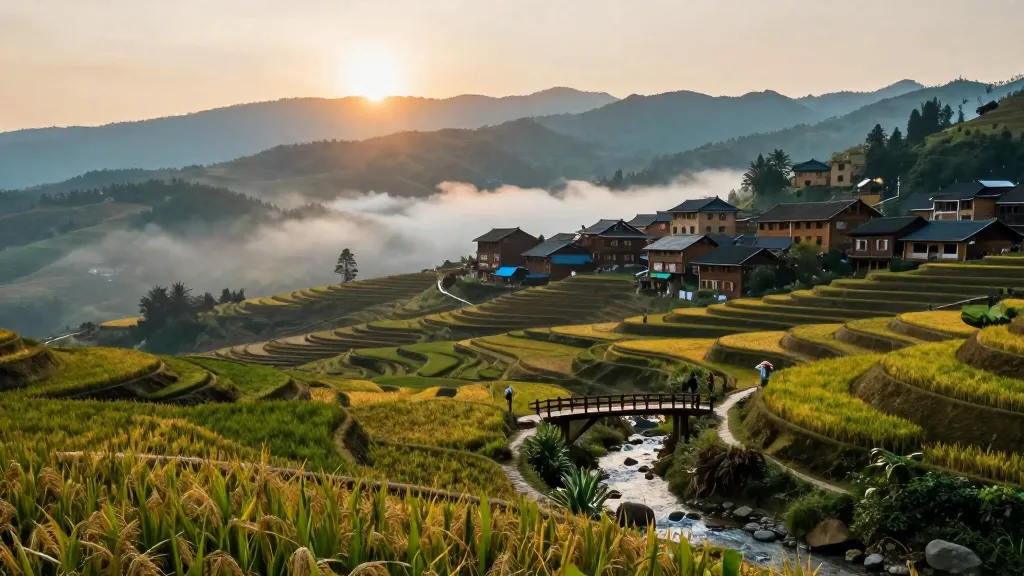
For travelers seeking more than the usual tourist spots, Vietnam offers a treasure trove of Hidden Gems in Vietnam: 12 Off-the-Beaten-Path Places Worth Visiting that remain largely untouched by mass tourism. These hidden destinations provide a chance to experience the country's rich culture, stunning landscapes, and authentic local life without the crowds. Whether you're a digital nomad, backpacker, or simply looking for a unique getaway, these lesser-known spots can turn your Vietnam trip into an unforgettable journey.
From serene mountain retreats to secluded coastal islands, each of these hidden gems offers a different slice of Vietnam’s charm. While planning a trip to these remote locations may require some extra effort, the rewards are well worth it. This article explores the benefits of off-the-beaten-path travel, highlights 12 must-visit hidden spots, and provides practical tips to help you navigate the logistics of visiting these unique destinations safely and affordably.
By avoiding the typical tourist trails, you’ll not only support local communities but also gain a deeper connection with Vietnam’s natural beauty and traditions. This guide equips you with the knowledge to explore these hidden gems with confidence, ensuring your trip is both enriching and memorable.
Why Explore Off-the-Beaten-Path in Vietnam
Exploring off-the-beaten-path in Vietnam offers a unique way to experience the country's rich culture and natural beauty without the crowds and commercialization of mainstream tourist spots. While major cities like Hanoi and Ho Chi Minh City are popular, they often come with high prices, over-touristed landmarks, and a lack of genuine local interaction. By venturing into lesser-known regions, travelers can uncover hidden landscapes, traditional villages, and authentic encounters that define Vietnam’s soul.
Benefits of Off-the-Beaten-Path Travel
Traveling off the beaten path in Vietnam allows you to escape the tourist traps and enjoy the country’s untouched beauty. Remote areas often feature tranquil landscapes, ancient temples, and vibrant local traditions that are rarely found in crowded cities. These destinations offer a more immersive and meaningful travel experience, where you can connect with the local culture and enjoy a slower pace of life. Moreover, avoiding overpriced tourist areas can significantly reduce your travel costs, allowing you to stretch your budget further and enjoy more of Vietnam’s natural wonders.
How to Plan a Hidden Gem Trip
Planning a hidden gem trip in Vietnam requires careful research and flexibility. Start by identifying lesser-known destinations that align with your interests, whether it's cultural immersion, outdoor adventure, or peaceful retreats. Use local recommendations, travel forums, and trusted travel blogs to gather insights. Be prepared for basic infrastructure and limited amenities, as remote areas may not have the same level of service as urban centers. With proper planning, you can create a rewarding itinerary that highlights Vietnam’s hidden treasures without compromising your travel experience.
12 Hidden Gems in Vietnam Worth Visiting
Vietnam’s hidden gems offer a rich tapestry of experiences, from tranquil mountain retreats to secluded coastal islands. These lesser-known destinations provide a deeper connection to the country’s culture and natural beauty, allowing travelers to explore beyond the usual tourist spots.
- Bao Loc, a charming hill station in Lam Dong province, is surrounded by lush forests and offers a peaceful escape from the hustle of city life. The best way to reach Bao Loc is by taking a bus from Ho Chi Minh City or by private car. Once there, visitors can enjoy hiking through the surrounding nature reserves or visit the local market to experience the region’s unique culture.
- Phong Nha-Ke Bang National Park, known for its stunning caves and karst landscapes, is a must-visit for adventure seekers. Located in Quang Binh province, it can be reached by bus or private transfer from Da Nang. The park offers guided cave tours, kayaking through the Son Doong Cave, and exploring the lush jungle trails.
- Cai Rang Floating Market in Can Tho is a vibrant example of local life along the Mekong Delta. Travelers can reach the market by boat or bus from Ho Chi Minh City. The market is famous for its fresh produce, traditional crafts, and the lively atmosphere of local vendors.
- Con Dao Islands, a remote archipelago in the South China Sea, are known for their pristine beaches and historical significance. Accessible by boat from Vung Tau, the islands offer opportunities for snorkeling, hiking, and exploring the remnants of the colonial era.
Mountain Retreats and Cultural Villages
Mountain retreats like Bao Loc and Phong Nha-Ke Bang provide a chance to immerse oneself in Vietnam’s natural beauty. These areas are ideal for those seeking tranquility and adventure, with opportunities for hiking, cave exploration, and cultural interactions with local communities.
Cultural villages in the mountainous regions, such as those in Lam Dong and Quang Binh, offer insights into traditional lifestyles and crafts. Visitors can participate in local activities, such as weaving or cooking, and learn about the customs and beliefs of the indigenous people.
Coastal Secrets and Island Treasures
Coastal secrets like Cai Rang Floating Market and Con Dao Islands showcase Vietnam’s diverse coastal landscapes and cultural heritage. These destinations are perfect for travelers looking to experience the unique blend of nature and tradition in a peaceful setting.
The islands of Con Dao, with their untouched beaches and historical sites, provide a sense of solitude and discovery. Travelers can enjoy snorkeling, exploring caves, and learning about the area’s rich history through guided tours.
Practical Tips for Visiting Off-the-Beaten-Path Destinations
Visiting off-the-beaten-path destinations in Vietnam requires careful planning and awareness of practical considerations to ensure a smooth and enjoyable experience. From navigating local transport to managing your budget, these tips will help you prepare for the unique challenges of exploring remote areas.
Transportation and Logistics
Researching local transportation options is crucial when visiting hidden gems in Vietnam. Many remote areas lack direct public transport, so arranging for a reliable local guide or private vehicle can make a significant difference. Consider using ride-hailing apps or contacting local tour operators to secure transport that connects you to your destination. In some regions, motorbike rentals or boat trips may be the most practical way to reach secluded sites, but always confirm availability and safety before booking.
Budgeting for Hidden Gem Travel
Budgeting for hidden gem travel involves accounting for both fixed and variable costs. While some attractions may be free, accommodation, meals, and local guides can add up quickly. Allocate extra funds for unexpected expenses, such as transportation delays or last-minute adjustments to your itinerary. Packing appropriately for varied climates and terrain is equally important. Vietnam’s remote areas can experience extreme weather, from monsoon rains to dry heat, so bring layers, waterproof gear, and comfortable footwear. Always check the local weather forecast and pack essentials like first-aid kits, water purification tablets, and basic supplies to stay prepared.
Unique Experiences at Each Hidden Gem
Each of Vietnam's hidden gems offers a unique blend of cultural experiences and natural beauty, allowing travelers to connect with local traditions and explore untouched landscapes. From ancient villages to secluded islands, these destinations provide opportunities to engage with authentic lifestyles and discover the country's diverse ecosystems.
- Cultural Immersion and Local Traditions
- Natural Wonders and Outdoor Adventures
Cultural Immersion and Local Traditions
In the mountain village of Mai Chau, visitors can witness traditional stilt houses and participate in daily life with ethnic H'mong communities. Learn to weave textiles, enjoy home-cooked meals made from local ingredients, and attend festivals that celebrate the region's rich cultural heritage. These interactions offer a deeper understanding of the local way of life and foster meaningful connections with the people.
Natural Wonders and Outdoor Adventures
The coastal town of Con Dao is a hidden gem known for its pristine beaches and historical significance. Dive into the clear waters to explore vibrant coral reefs or hike through dense forests to discover ancient caves. The island's tranquil environment and untouched landscapes provide an ideal setting for nature lovers and adventure seekers looking to experience Vietnam's natural beauty in a less crowded setting.
How to Stay Safe and Avoid Common Pitfalls
Staying safe and avoiding common pitfalls is essential when exploring remote areas of Vietnam. While off-the-beaten-path travel offers unique experiences, it also comes with risks that can be mitigated with careful planning and awareness.
Avoiding Scams and Fake Guides
Be wary of scams and unreliable tour operators that may misrepresent destinations or charge inflated prices. Research tour companies by checking reviews on trusted platforms and asking for recommendations from fellow travelers. Always verify the credentials of guides and ensure they are licensed to operate in the area. Be cautious of overly cheap offers, as they may come with hidden costs or subpar experiences.
Health and Safety Tips for Remote Areas
When visiting remote areas, it's crucial to stay informed about local laws, customs, and health precautions. Carry a basic first-aid kit and ensure your travel insurance covers medical emergencies. Stay hydrated and be mindful of food safety, especially in rural regions where hygiene standards may vary. Keep copies of important documents, such as your passport and travel insurance, and know the location of the nearest medical facility in case of an emergency.
Frequently Asked Questions
Are there any visa requirements for visiting off-the-beaten-path destinations in Vietnam?
Most off-the-beaten-path destinations in Vietnam require a standard tourist visa. Check with your embassy for specific requirements. Some remote areas may have limited access, so confirm with local authorities.
How can I find reliable local guides for hidden gems in Vietnam?
Look for guides through trusted travel agencies or community-based tourism initiatives. Ask for recommendations from fellow travelers or local communities for authentic experiences.
What should I pack for a trip to remote areas in Vietnam?
Pack lightweight clothing, sturdy footwear, a reusable water bottle, and a first-aid kit. Include a rain jacket, insect repellent, and essential documents for remote travel.
Is it safe to travel to lesser-known places in Vietnam?
Traveling to lesser-known places in Vietnam is generally safe, but always exercise caution. Be aware of your surroundings and follow local advice to ensure a secure and enjoyable trip.
Final Thoughts
Exploring hidden gems in Vietnam offers a unique and enriching travel experience. These off-the-beaten-path destinations provide a deeper connection to the country's culture and natural beauty. Plan your trip thoughtfully to ensure a safe and memorable journey.
Ready to discover Vietnam's hidden gems? Start by researching local guides, preparing for the terrain, and embracing the adventure. Your next unforgettable travel experience awaits.