Da Nang Vietnam: A Complete Travel Guide for Visitors
 vietgo8 min read
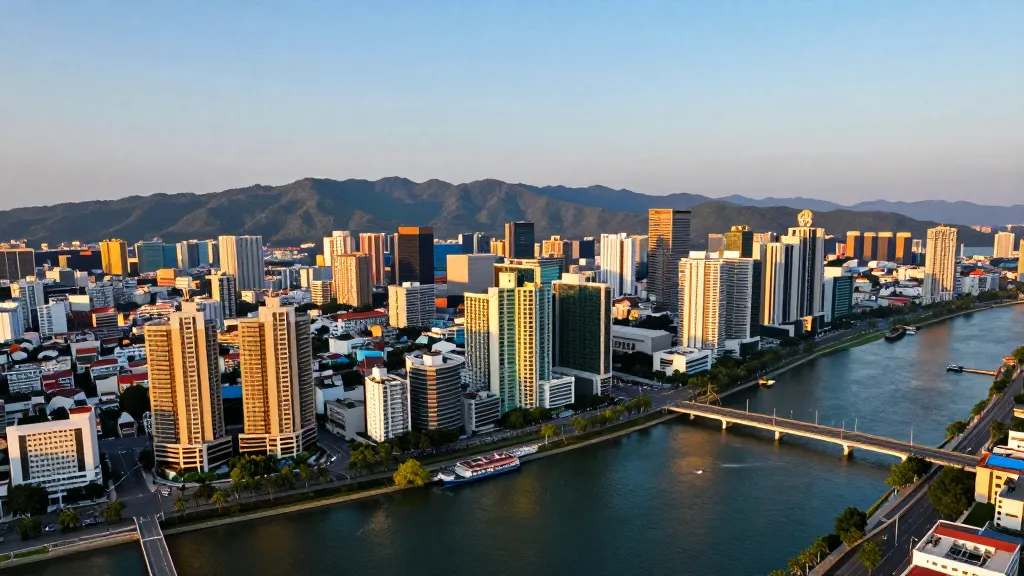
Looking for a destination that blends stunning beaches, rich culture, and vibrant local life? Da Nang Vietnam is a hidden gem in the heart of Central Vietnam, offering travelers a mix of natural beauty and historical significance. Whether you're seeking relaxation or adventure, this coastal city has something for everyone. From its pristine shores to ancient temples, Da Nang provides a unique blend of experiences that will leave a lasting impression.
This guide will walk you through the essentials of planning your trip to Da Nang Vietnam. Discover the best beaches, cultural landmarks, and local cuisine that define the city's charm. Learn when to visit for the perfect weather and how to make the most of your time here. You'll also find practical tips on transportation and budgeting to help you navigate the city like a local.
Whether you're a first-time visitor or a returning traveler, this article covers everything you need to know about Da Nang Vietnam. Explore the top attractions, immerse yourself in the local culture, and enjoy the best of what this coastal city has to offer. Get ready to experience the magic of Da Nang Vietnam with confidence and ease.
Getting to Know Da Nang
Da Nang, located on the central coast of Vietnam, is a vibrant city that blends natural beauty with cultural richness. As a key tourist destination, it offers a mix of modern amenities, historical sites, and stunning beaches, making it a popular choice for both first-time visitors and seasoned travelers. Its strategic position between the bustling cities of Hanoi and Ho Chi Minh City provides a unique opportunity to explore a different facet of Vietnam's diverse landscape and culture.
Where Is Da Nang Located?
Da Nang is situated along the central coast of Vietnam, approximately 1,300 kilometers south of Hanoi and 1,000 kilometers north of Ho Chi Minh City. The city serves as a gateway to the famous Marble Mountains and the coastal regions of the Central Coast, including the nearby island of Hon Tre. Its coastal location makes it an ideal spot for beach lovers and water sports enthusiasts, while its proximity to historical sites like the Imperial City of Hue adds to its appeal as a cultural hub.
When Is the Best Time to Visit?
The best time to visit Da Nang is during the dry season, which typically runs from November to April. During this period, temperatures are comfortable, ranging from 20°C to 30°C, and the skies are generally clear, making it ideal for outdoor activities and exploring the city's attractions. While the wet season, from May to October, brings higher humidity and occasional heavy rainfall, it can also offer lush greenery and lower prices for accommodations and tours. Travelers looking to maximize their experience should plan visits during the dry months for the most pleasant weather and fewer disruptions to their itinerary.
Top Beaches and Water Activities in Da Nang
Da Nang’s coastline is a highlight for travelers, offering a mix of serene beaches and exciting water-based activities. From the iconic My Khe Beach to the more tranquil Non Nuoc, the city’s shores provide something for every visitor, whether they’re looking to relax or seek adventure.
- My Khe Beach is the most famous and accessible beach in Da Nang, known for its wide sandy shore and clear waters. It’s a popular spot for swimming, sunbathing, and watching the sunset. The beach also has facilities for tourists, including beach clubs and nearby restaurants.
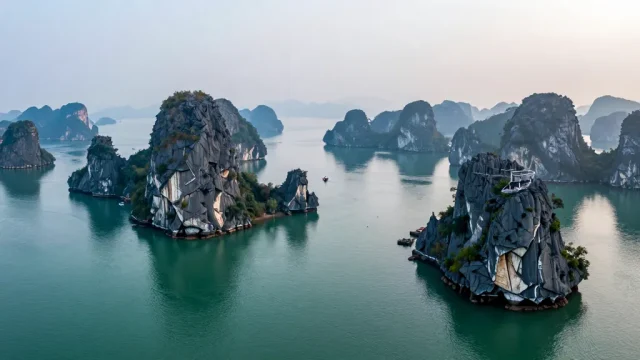
- Non Nuoc Beach is quieter and more secluded, making it ideal for those seeking a peaceful escape. It’s also known for its limestone karsts and scenic views. Visitors can enjoy a boat ride to the nearby caves, which offer a unique natural experience.
- Water sports such as snorkeling, kayaking, and paddleboarding are popular in Da Nang. Many operators offer guided tours, especially from My Khe and Non Nuoc. These activities allow visitors to explore the marine life and coral reefs that surround the city.
- Boat tours are a great way to experience Da Nang’s coastal beauty. These often include visits to nearby islands, such as the Marble Islands or the Hon Tre Islands, where you can snorkel or swim in calm, clear waters. Some tours also include a stop at the fishing village of Bai Tu Long.
Best Beaches to Visit
My Khe Beach is the most famous and accessible beach in Da Nang, known for its wide sandy shore and clear waters. It’s a popular spot for swimming, sunbathing, and watching the sunset. The beach also has facilities for tourists, including beach clubs and nearby restaurants.
Water Sports and Boat Tours
Water sports such as snorkeling, kayaking, and paddleboarding are popular in Da Nang. Many operators offer guided tours, especially from My Khe and Non Nuoc. These activities allow visitors to explore the marine life and coral reefs that surround the city.
Exploring Da Nang's Temples and Cultural Landmarks
Da Nang is home to several temples and cultural landmarks that reflect its rich spiritual and historical heritage. Among the most iconic sites are the Linh Ung Pagoda and the Golden Bridge, both of which offer visitors a unique glimpse into the city’s religious and architectural traditions.
Notable Temples in Da Nang
The Linh Ung Pagoda, perched on a hill overlooking the city, is one of Da Nang’s most revered temples. Its grand structure features a massive golden statue of the Buddha and offers panoramic views of the coastline. The Golden Bridge, a striking cable-stayed bridge that connects the mainland to the island of Hon Tre, is both an engineering marvel and a symbol of the city’s modern development. These landmarks are not only visually stunning but also hold deep spiritual significance for locals and visitors alike.
Cultural Insights and Etiquette
When visiting religious sites like the Linh Ung Pagoda, it is essential to respect local customs and traditions. Visitors should dress modestly, covering shoulders and knees, and avoid loud behavior or touching religious artifacts. Photography is generally allowed, but it is courteous to ask for permission before taking photos of worshippers or sacred objects. Understanding and respecting these guidelines ensures a more meaningful and respectful experience for all.
Experiencing Local Culture and Cuisine
Da Nang offers a rich tapestry of local culture and cuisine that reflects Vietnam's vibrant traditions. From the sizzling sounds of street food stalls to the serene rhythms of cultural festivals, visitors can immerse themselves in the city's authentic experiences. Understanding the local customs and savoring traditional dishes provide a deeper connection to the region's heritage.
Local Cuisine and Street Food
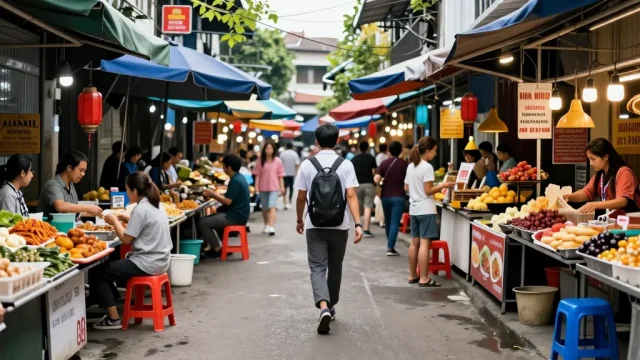
Da Nang's local cuisine is a blend of fresh seafood, aromatic herbs, and traditional Vietnamese flavors. Must-try dishes include Cao Lao (grilled pork skewers), Bánh Mì Da Nang (a local twist on the classic baguette), and Mì Quảng (a regional noodle dish). Street food vendors, especially near the Cổ Loa market, serve these dishes at affordable prices, offering a taste of the city's culinary diversity. When dining, prioritize stalls with a steady flow of customers and avoid overly priced menus that often target tourists.
Cultural Experiences and Festivals
Cultural experiences in Da Nang include festivals like the Da Nang International Arts Festival, which showcases local art, music, and dance. Traditional performances, such as Nhạc Cồng Chiêng (gong and drum music), are often held during local celebrations and provide insight into the region's heritage. Visitors should also explore nearby villages to witness traditional crafts, such as pottery and weaving, which are integral to the local culture. Attending a festival or participating in a cultural workshop can offer a unique and memorable experience.
Planning Your Da Nang Itinerary
Planning your Da Nang itinerary helps you make the most of your time by balancing relaxation, exploration, and cultural immersion. A well-structured 3-day plan can include beaches, temples, and local experiences, while efficient transportation and budgeting ensure a smooth and enjoyable trip.
- Day 1: Beaches and Cultural Highlights
- Day 2: Temples and Water Activities
- Day 3: Local Cuisine and Leisure
- Transportation Options and Costs
- Budgeting for Accommodation and Food
Sample 3-Day Itinerary
On Day 1, start with a visit to My Khe Beach, known for its soft sand and clear waters. After relaxing on the beach, head to the Da Nang Cathedral and the Linh Ung Pagoda for a mix of modern and spiritual experiences. In the evening, enjoy a seafood dinner at a local market or restaurant near the beach.
Transportation and Budgeting Tips
For transportation, use motorbike rentals for flexibility, but be cautious of traffic. Alternatively, take taxis or ride-hailing apps like Grab for convenience. Budget around $5–$10 per ride. For accommodation, book a mid-range hotel or hostel near the beach for $30–$60 per night. Food costs average $5–$10 per meal, with street food being the most affordable option.
Frequently Asked Questions
What are the best beaches to visit in Da Nang?
Da Nang's beaches, such as My Khe and Non Nuoc, are among the most beautiful in Vietnam. My Khe is ideal for swimming and sunbathing, while Non Nuoc is known for its limestone karsts and scenic views. Both offer a mix of relaxation and adventure.
Are there any cultural etiquette rules I should know in Da Nang?
Respect for local traditions is important. Dress modestly when visiting temples, remove shoes before entering homes or religious sites, and avoid public displays of affection. Always ask for permission before taking photos of people.
What is the best way to get around Da Nang?
Public transportation like buses and motorbikes is affordable, but hiring a local guide or using ride-hailing apps is more convenient. Walking is also a great option for exploring the city's main attractions.
What should I eat in Da Nang to experience the local cuisine?
Try local specialties like cao lầu, a noodle dish, and fresh seafood from the coastal markets. Don't miss out on street food like banh mi and pho. Visiting a local market for a food tour is a great way to sample authentic flavors.
Final Thoughts
Da Nang offers a mix of stunning beaches, rich culture, and delicious food. Whether you're exploring temples, enjoying water activities, or savoring local cuisine, there's something for everyone. Make sure to plan your trip with a well-structured itinerary to make the most of your visit.
Ready to experience the beauty of Da Nang Vietnam? Start by researching your interests and planning your trip. With the right preparation, you'll enjoy a memorable and enriching travel experience.