Ultimate Vietnam Travel Guide for First-Time Visitors
 vietgo8 min read
Vietnam is a captivating destination that offers a perfect blend of history, culture, and natural beauty, making it an ideal first travel destination for many. Whether you're a digital nomad, a backpacker, or simply looking for an unforgettable adventure, this vietnam travel guide will help you plan your trip with confidence. From the bustling streets of Hanoi to the serene beaches of Phu Quoc, Vietnam has something to offer every traveler.
This guide covers everything you need to know to make the most of your first visit. You'll find detailed insights on choosing the best destinations, planning an itinerary that suits your interests, and navigating the country like a local. Whether you're drawn to the mountains of Sapa or the vibrant markets of Hoi An, we've got you covered.
We also provide practical tips on visas, transportation, and budgeting to ensure a smooth and enjoyable experience. With this vietnam travel guide, you'll be well-equipped to explore Vietnam's rich culture, stunning landscapes, and warm hospitality with ease.
Choosing Your Vietnam Destinations
Choosing the right destinations in Vietnam is the first step in planning an unforgettable trip. Each region offers a unique blend of culture, history, and natural beauty, making it essential to consider your interests, the time of year, and the balance between cultural experiences and natural landscapes.
North Vietnam: Hanoi, Sapa, and Ha Long Bay
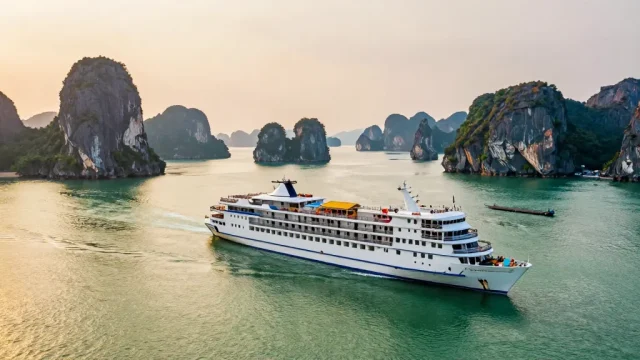
North Vietnam, with its historic capital Hanoi, the misty mountain town of Sapa, and the breathtaking Ha Long Bay, is perfect for travelers seeking a mix of history, culture, and natural wonders. Hanoi, known for its colonial architecture and vibrant street life, is ideal for those interested in history and politics. Sapa, in the far north, is famous for its terraced rice fields and ethnic hill tribes, offering a glimpse into rural life. Ha Long Bay, a UNESCO World Heritage Site, is a must-visit for its limestone karsts and serene waters, best explored by boat.
Central Vietnam: Hoi An, Da Nang, and Hue
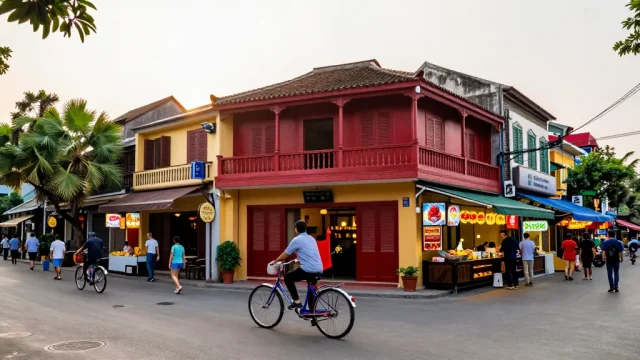
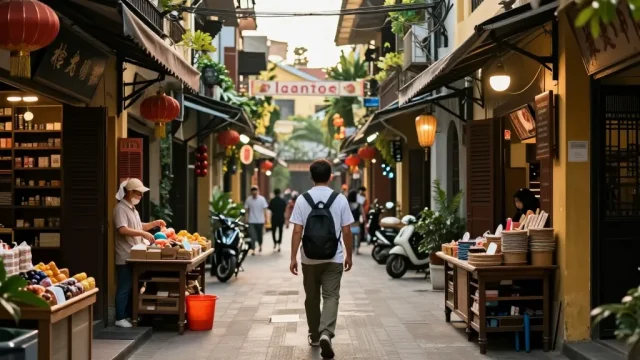
Central Vietnam, home to the ancient city of Hue, the coastal town of Da Nang, and the charming riverside town of Hoi An, is a great choice for travelers looking for a balance between history, beaches, and cultural experiences. Hue, the former imperial capital, is rich in history with its tombs and citadel, while Da Nang offers beautiful beaches and a modern cityscape. Hoi An, known for its lantern-lit streets and historic architecture, is a cultural hub that attracts many backpackers and digital nomads.
South Vietnam: Ho Chi Minh City, Mui Ne, and Phu Quoc
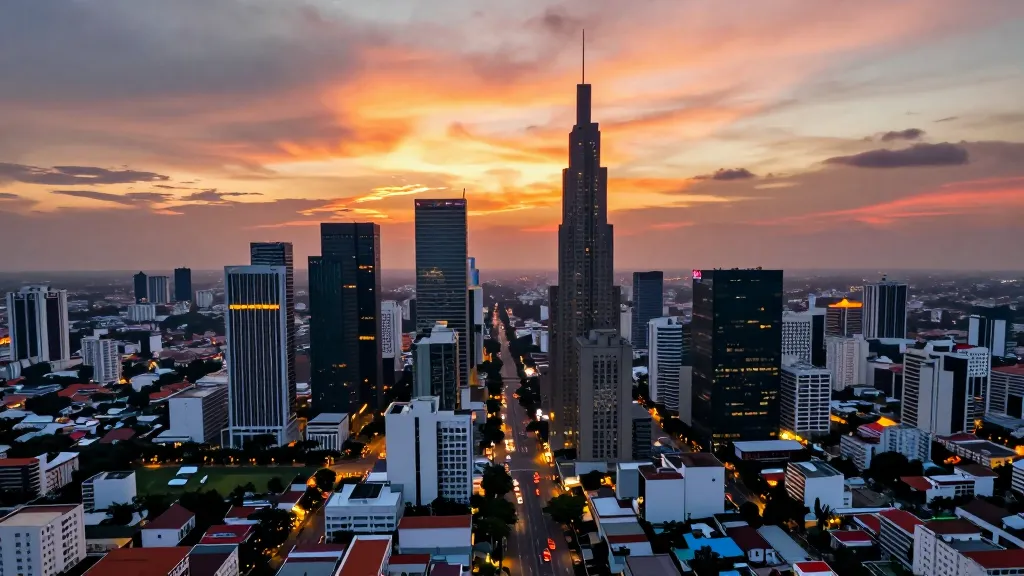
South Vietnam, including Ho Chi Minh City, Mui Ne, and Phu Quoc, is ideal for those who enjoy a mix of urban energy, coastal relaxation, and tropical beaches. Ho Chi Minh City, the economic heart of Vietnam, is a bustling metropolis with a blend of modern and colonial architecture. Mui Ne, with its red sand dunes and limestone islands, is a popular spot for adventure seekers. Phu Quoc, the largest island in Vietnam, is known for its pristine beaches, fresh seafood, and tranquil atmosphere, making it a perfect destination for relaxation and exploration.
Planning Your Vietnam Itinerary
Planning your Vietnam itinerary requires a balance between sightseeing, cultural immersion, and rest. A well-structured schedule ensures you cover key attractions without overextending yourself, allowing for meaningful experiences and recovery time.
- Start with a 7-day itinerary focused on South Vietnam, covering Ho Chi Minh City, Mui Ne, and Phu Quoc.
- Allocate travel time between destinations to avoid rushing and reduce stress.
- Include local cultural experiences like markets, temples, and street food tours.
- Schedule downtime for relaxation and reflection to prevent burnout.
Multi-Day Itineraries for First-Time Travelers
Multi-day itineraries for first-time travelers should be flexible and prioritise key experiences. Begin in Ho Chi Minh City, where you can explore the Old Quarter, visit the War Remnants Museum, and enjoy a river cruise. Allocate one to two days to immerse yourself in the city’s vibrant culture before heading to Mui Ne. Travel time by bus or flight should be factored in to avoid last-minute stress.
After Mui Ne, plan a day trip to the nearby island of Phu Quoc, where you can relax on pristine beaches and visit local markets. Ensure each destination includes time for both sightseeing and downtime, allowing for a gradual transition between locations and a more enjoyable overall trip.
Sample 7-Day Vietnam Itinerary for the South
A 7-day itinerary for South Vietnam could start in Ho Chi Minh City, where you spend two days exploring the city’s historical and cultural highlights. On the third day, travel to Mui Ne by bus or flight, spending one day enjoying its natural beauty and local attractions. The fourth day can be dedicated to a day trip to Phu Quoc, with the remaining days spent relaxing on the island or exploring nearby areas.
This itinerary allows for a mix of exploration and relaxation, ensuring you don’t miss key attractions while also preserving your energy. Include time for meals, local interactions, and rest to make the most of your trip without feeling overwhelmed.
Practical Travel Tips for Vietnam
Understanding the practical aspects of traveling in Vietnam is essential for a smooth and respectful experience. From securing the right visa to respecting local customs, these tips will help you navigate the country with confidence and ease.
Visa Requirements for English-Speaking Travelers
Most English-speaking travelers can enter Vietnam on a visa on arrival, which is valid for 30 days. Citizens of the US, UK, Canada, and many European countries are eligible for this visa, which can be obtained upon arrival at major airports. It is important to ensure your passport is valid for at least six months beyond your intended departure date. Some nationalities may require a pre-approved visa, so always check with your embassy or a reliable travel agency before departure.
Language and Cultural Etiquette in Vietnam
Learning a few basic Vietnamese phrases can significantly enhance your interactions and show respect to locals. Greeting with 'Chào bạn' (Hello), thanking with 'Cảm ơn bạn' (Thank you), and asking for directions with 'Bạn có thể chỉ đường không?' (Can you show me the way?) are useful. While English is widely understood in tourist areas, especially in cities like Hanoi and Ho Chi Minh City, learning a few words in Vietnamese can make your experience more rewarding and help you avoid misunderstandings. Always be polite and patient, as communication styles may differ from what you're used to.
Getting Around Vietnam
Getting around Vietnam efficiently requires understanding the best transportation options for your needs. Domestic flights, trains, buses, and motorbikes each offer unique advantages and drawbacks, so selecting the most cost-effective and comfortable method depends on your itinerary, budget, and travel style.
| Transportation | Cost | Speed | Comfort | Safety | Reliability |
|---|---|---|---|---|---|
| Domestic Flights | Moderate to High | Fast | High | Moderate | High |
| Trains | Low to Moderate | Moderate | Moderate | High | High |
| Buses | Low | Moderate | Low | Moderate | Moderate |
| Motorbikes | Low | Fast | Low | Low | Low |
Domestic Flights: Vietnam Airlines vs VietJet Air
Domestic flights are ideal for long distances and time-sensitive travel. Vietnam Airlines offers a more premium experience with better service, but it comes at a higher cost. VietJet Air provides affordable options with frequent flights, making it a popular choice for budget-conscious travelers. Both airlines operate extensive routes, but VietJet Air often has more limited seating and less in-flight amenities.
Trains and Buses: How to Book and Travel Safely
Trains and buses are the most cost-effective ways to travel within Vietnam, especially for shorter distances. Trains are generally safer and more comfortable than buses, with sleeper options available for overnight journeys. Buses are an economical choice for reaching remote areas, though they can be crowded and less reliable. When booking, always choose reputable operators and confirm schedules in advance to ensure a smooth journey.
Budgeting for Your Vietnam Trip
Budgeting for your Vietnam trip is essential to ensure you enjoy your visit without financial stress. By estimating costs for accommodation, food, and activities in advance, you can allocate your budget wisely and avoid overspending. Planning for unexpected expenses and understanding currency exchange practices will also help you travel more confidently.
- Estimate accommodation, food, and activity costs in advance.
- Look for budget-friendly options without sacrificing quality.
- Plan for unexpected expenses and currency exchange tips.
Accommodation: Budget vs Mid-Range vs Luxury
Accommodation in Vietnam ranges from budget-friendly guesthouses and hostels to mid-range hotels and luxury resorts. Budget options typically cost between $10 and $25 per night, while mid-range hotels range from $25 to $50. Luxury accommodations can exceed $100 per night, especially in popular tourist areas like Ho Chi Minh City or Da Nang. Choose based on your travel style and how much you’re willing to spend.
Eating Out: Street Food vs Restaurants vs Markets
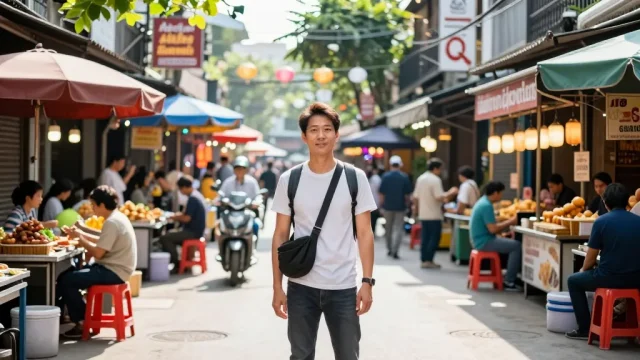
Eating out in Vietnam offers excellent value for money, with street food being the most affordable option. A meal at a street food stall can cost as little as $1 to $3, while a mid-range restaurant meal ranges from $5 to $10. Markets and local eateries provide fresh, authentic experiences at reasonable prices. Avoid overpaying by researching local prices and comparing options before dining.
Frequently Asked Questions
What are the best places to visit in Vietnam for first-time travelers?
For first-time travelers, consider Hanoi, Ha Long Bay, Hoi An, and Phu Quoc. These destinations offer a mix of culture, history, and natural beauty, making them ideal for newcomers to Vietnam.
How long should I plan to stay in Vietnam?
A minimum of 7 to 10 days is recommended to explore Vietnam's highlights. This allows time to visit major cities and attractions without feeling rushed.
What is the best way to travel between cities in Vietnam?
Domestic flights are the fastest option, while trains and buses are more budget-friendly. Combining both can offer flexibility, especially for longer distances.
How much money should I budget for a week in Vietnam?
A budget of $1,000 to $1,500 per person is typical for a week. This covers accommodation, food, transportation, and activities, with room for splurging on experiences.
Final Thoughts on Your Vietnam Journey
Vietnam offers a unique blend of culture, history, and natural beauty that appeals to first-time travelers. By planning your trip wisely, you can make the most of your time in this vibrant country.
Start by choosing your destinations, planning your itinerary, and preparing for the local culture. With the right preparation, your Vietnam travel guide will lead you to unforgettable experiences.