Best Vietnam Travel Guide: Everything You Need to Know
 vietgo8 min read
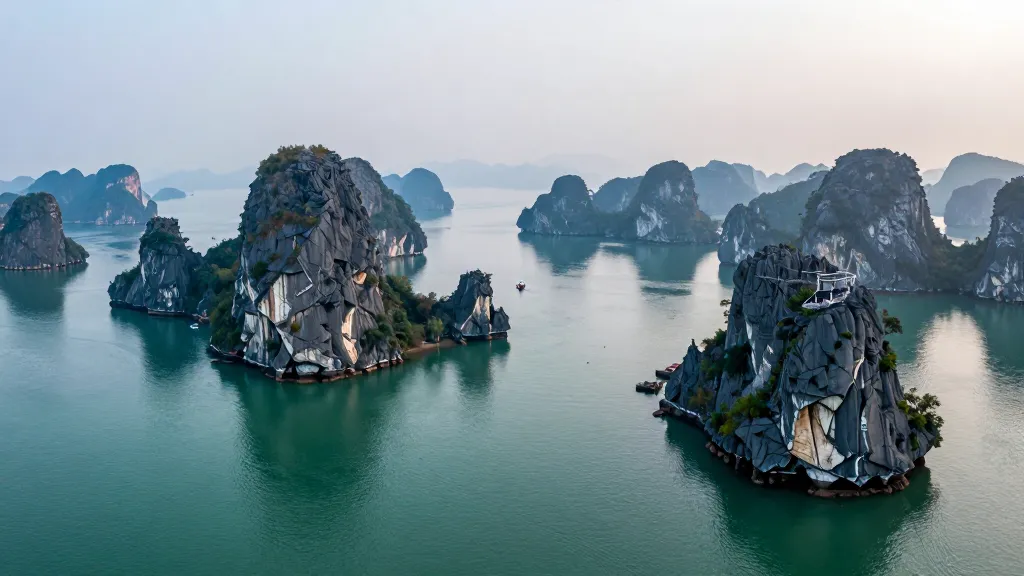
Looking for the best Vietnam travel guide to plan your first visit? Vietnam offers a unique blend of rich history, stunning landscapes, and vibrant culture that can easily captivate first-time travelers. Whether you're drawn to the ancient temples of the north, the serene beaches of the central coast, or the bustling cities of the south, this guide will help you navigate the country with confidence. From choosing the right destinations to planning a realistic itinerary, we've got you covered.
This article covers everything you need to know to make the most of your trip. We'll walk you through the best places to visit in each region, outline sample itineraries for different travel durations, and share essential tips to ensure a smooth and enjoyable experience. Whether you're short on time or looking for a more extended adventure, our insights will help you tailor your journey to fit your preferences.
We also provide practical advice on budgeting, staying safe, and respecting local customs, so you can travel with peace of mind. With this comprehensive guide, you'll be well-equipped to explore Vietnam's beauty and culture without the stress of planning. Let's get started on your unforgettable journey through this enchanting country.
Where to Visit in Vietnam
Vietnam offers a rich tapestry of destinations, each with its own unique charm and attractions. From the cultural and historical landmarks of the North to the serene beaches and ancient ruins of the Central region, and the vibrant urban landscapes of the South, there is something for every traveler. Whether you're seeking adventure, relaxation, or a deeper connection with the local culture, Vietnam's diverse regions provide a perfect backdrop for an unforgettable journey.
North Vietnam: Cultural and Historical Highlights
North Vietnam is a treasure trove of cultural and historical sites, offering a glimpse into the country's rich heritage. Hanoi, the capital, is a must-visit for its colonial architecture, bustling markets, and scenic Hoan Kiem Lake. Nearby, the ancient town of Sapa is renowned for its terraced rice fields and ethnic minority villages, providing a peaceful escape into the mountains. For those interested in history, the ruins of the Imperial Citadel in Hanoi and the sacred Hoa Lo Prison offer a poignant look into Vietnam's past.
Central Vietnam: Beaches and Ancient Sites
Central Vietnam is a blend of stunning beaches and ancient historical sites, making it a unique destination for travelers. Da Nang is a popular coastal city known for its beautiful beaches and the Marble Mountain, while Hue, the former imperial capital, is home to the stunning Imperial City and the Mausoleum of Emperor Tu Duc. The lesser-known Phong Nha-Ke Bang National Park, with its karst caves and lush landscapes, is a hidden gem that offers an unforgettable adventure for nature enthusiasts.
South Vietnam: Urban and Coastal Experiences
South Vietnam is characterized by its modern cities and stunning coastal experiences. Ho Chi Minh City, formerly Saigon, is a vibrant metropolis with a mix of historical landmarks, bustling markets, and modern shopping districts. The coastal city of Vung Tau offers a tranquil escape with its beaches and fresh seafood. For a more laid-back vibe, the islands of Phu Quoc and Cat Ba provide idyllic settings for relaxation and exploration, with opportunities for snorkeling, diving, and enjoying local cuisine.
How to Plan Your Vietnam Itinerary
Planning your Vietnam itinerary can be overwhelming, but with a clear structure and timing, you can maximize your experience. Whether you're aiming for a short trip or a more extended adventure, aligning your schedule with the best travel seasons and must-see attractions will ensure a memorable journey.
- Visit Hanoi, Ha Long Bay, and Hoi An in 7 days
- Explore Hanoi, Hue, Da Nang, and Ho Chi Minh City in 14 days
- Choose the optimal travel season for your destination
- Include cultural, historical, and natural experiences
7-Day Vietnam Itinerary for First-Time Visitors
A 7-day itinerary should focus on the highlights of North and Central Vietnam. Start in Hanoi, where you can explore the Old Quarter, Hoan Kiem Lake, and the Temple of Literature. Then travel to Ha Long Bay for a boat tour of the limestone karsts and caves. Conclude with a visit to Hoi An, known for its lantern-lit streets and ancient architecture, before heading back to Da Nang or continuing to the South.
14-Day Vietnam Itinerary: A Balanced Travel Plan
For a 14-day trip, consider a balanced itinerary covering North, Central, and South Vietnam. Begin with Hanoi, then take a scenic train to Hue to visit the Imperial City and the Perfume Pagoda. From there, travel to Da Nang to enjoy the beaches and cultural sites, followed by a visit to Hoi An. Finally, spend time in Ho Chi Minh City to explore the city's museums, markets, and the Cu Chi Tunnels, ensuring a well-rounded experience.
Essential Vietnam Travel Tips
Essential Vietnam travel tips can make or break your experience, from securing the right visa to avoiding common pitfalls. Understanding entry rules, navigating local transportation, and respecting cultural norms will help you travel smoothly and confidently.
Visa and Entry Requirements for International Travelers
Most international travelers require a visa to enter Vietnam, which can be obtained through an online application or at a Vietnamese embassy. Nationals from many countries, including the US and UK, can apply for an e-Visa, which is valid for 30 days and allows single entry. It’s important to check the latest visa requirements and ensure your passport is valid for six months beyond your intended departure date.
Transportation: Flights, Buses, and Domestic Travel
Vietnam’s transportation system is efficient but can be confusing for first-time visitors. Domestic flights are a fast way to cover long distances, while buses and trains are more affordable for shorter trips. Always confirm the exact departure and arrival points, as some routes may require transfers. Taxis and ride-hailing apps like Grab are reliable in cities, but be cautious of overcharging and always agree on the fare before starting your journey.
Budgeting for Your Vietnam Trip
Budgeting for your Vietnam trip is key to ensuring a stress-free and enjoyable experience. With careful planning, you can balance affordability with quality, making the most of your time in this diverse country.
| Travel Style | Daily Budget (USD) | Accommodation | Food | Activities | Transport |
|---|---|---|---|---|---|
| Budget Traveler | 30 | Hostel (15-20) | Street Food (5-10) | Free or Low-Cost (10-15) | Local Buses (5-10) |
| Mid-Range Traveler | 60 | Budget Hotel (30-40) | Eateries (15-25) | Guided Tours (20-30) | Taxis or Shared Tuk-Tuks (10-15) |
| Luxury Traveler | 120 | Luxury Hotel (60-80) | Fine Dining (30-50) | Private Guides (40-60) | Private Transfers (20-30) |
Accommodation: Budget Hotels and Homestays
Accommodation in Vietnam offers a range of options to suit different budgets. Hostels and budget hotels are ideal for first-time visitors, providing clean and safe lodging at reasonable prices. In major cities like Hanoi and Ho Chi Minh City, you can find budget hotels for around USD 15-25 per night, while homestays offer a more local experience at similar costs. For those seeking more comfort, mid-range hotels are available for USD 30-40, balancing quality with affordability.
Food and Drink: Affordable and Authentic Eateries
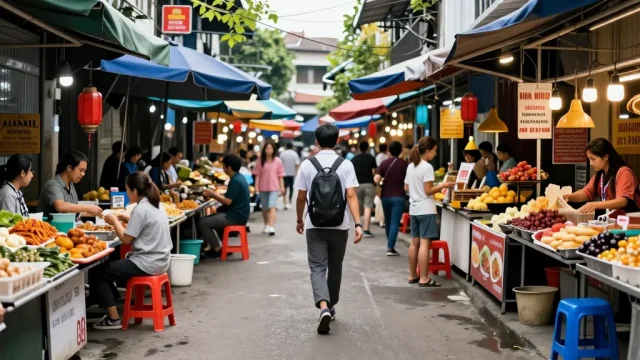
Vietnam is renowned for its affordable and delicious food, making it easy to save on dining expenses. Street food is the most cost-effective option, with meals ranging from USD 2-5, offering everything from pho to banh mi. For a more structured meal, local eateries and warungs (small family-run restaurants) provide authentic dishes at USD 5-10 per person. Avoid tourist traps by opting for local markets and food stalls, which often serve fresh, flavorful meals without the inflated prices.
Staying Safe and Enjoying Your Vietnam Adventure
Staying safe and enjoying your Vietnam adventure requires awareness of health, safety, and cultural norms. While Vietnam is generally safe for travelers, being mindful of local conditions and customs will enhance your experience and ensure a smooth trip.
Health and Safety: What to Know Before You Go
Health and safety in Vietnam are largely manageable with basic precautions. Ensure you have travel insurance that covers medical emergencies, and check if you need any vaccinations before your trip. Tap water is generally safe in urban areas, but it's advisable to drink bottled water to avoid stomach issues. Carry a basic first-aid kit and be cautious of mosquito bites, especially in rural and jungle areas, by using repellent and wearing long sleeves.
Respecting Local Culture and Etiquette
Respecting local culture is essential for a positive experience in Vietnam. Dress modestly when visiting temples and religious sites, and avoid public displays of affection to show respect for local traditions. Learn a few basic Vietnamese phrases to engage with locals and demonstrate goodwill. Be punctual for appointments and meals, as time is highly valued in Vietnamese culture. Engaging with communities and participating in local customs, such as festivals or traditional meals, can deepen your connection and appreciation for the country.
Frequently Asked Questions
What is the best time to visit Vietnam for first-time travelers?
The best time to visit Vietnam is between November and April, when the weather is dry and pleasant. This period avoids the monsoon season, making it ideal for exploring the country's cultural and natural attractions.
How much does it cost to travel in Vietnam for a week?
A week in Vietnam can cost between $800 and $1,500, depending on your travel style and accommodation choices. Budget travelers can find affordable options, while those seeking comfort may spend more.
Are there any safety concerns I should be aware of in Vietnam?
Vietnam is generally safe for tourists, but it's wise to remain cautious in crowded areas and avoid unlicensed taxis. Be mindful of your belongings and ensure you have travel insurance for unexpected situations.
What are the best ways to get around Vietnam as a tourist?
The best ways to get around Vietnam include domestic flights, overnight buses, and private transfers. Renting a motorbike is also an option, but it requires a valid license and a good sense of local traffic.
Final Thoughts
Vietnam offers a rich blend of culture, history, and natural beauty. With careful planning, you can make the most of your trip by choosing the right destinations, budget, and travel tips.
Start by researching the best places to visit in Vietnam and planning your itinerary. Then, prepare your travel documents and budget, and you're ready to embark on an unforgettable journey.