Bringing Prescription Medication Into Vietnam: Customs Rules and Tips
 vietgo7 min read
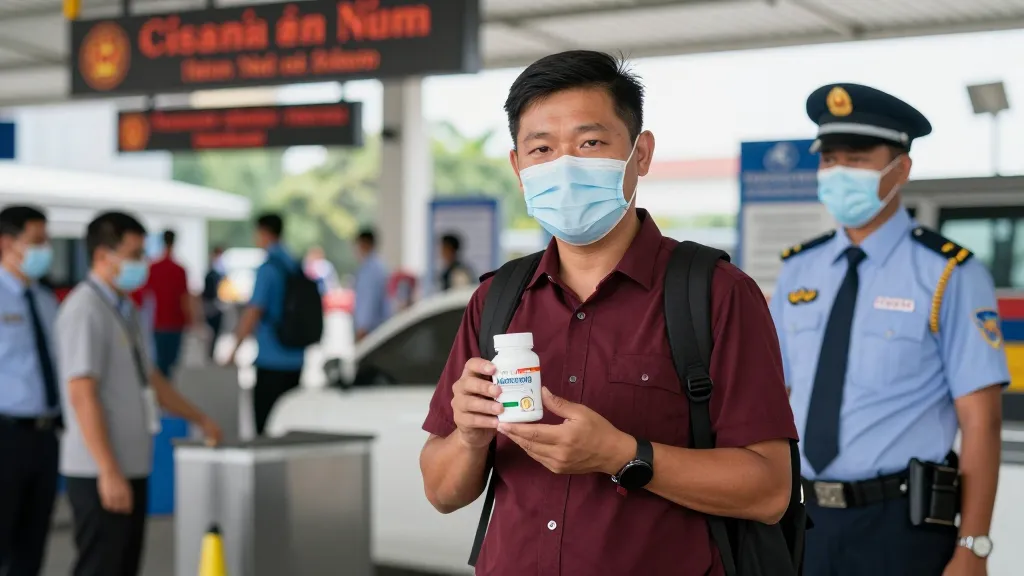
For international travelers visiting Vietnam, bringing prescription medication can be a necessity for health reasons. However, navigating Vietnam's customs regulations around medication can be confusing and risky if not handled properly. This article provides a clear guide on the rules for bringing prescription medication into Vietnam, helping you avoid delays or penalties at customs. Whether you're planning to take daily medication or need specific drugs for a medical condition, understanding the customs guidelines is essential for a smooth trip. We'll cover what medications are allowed, how to prepare your medication properly, and where to find medication in Vietnam. Additionally, we'll highlight common mistakes to avoid and offer practical tips to ensure compliance with Vietnamese customs rules. By following these guidelines, you can confidently bring your prescription medication into Vietnam without unnecessary complications.
Understanding Vietnam Customs Rules for Medication
Vietnam has strict customs regulations governing the import of both prescription and over-the-counter medications. Travelers must understand these rules to avoid confiscation or delays at customs. The country has specific legal limits on the quantity and type of medication that can be brought in, and certain substances are either prohibited or require special documentation. Proper preparation and awareness of these rules are essential for anyone traveling to Vietnam with medication.
What Medication Is Allowed in Vietnam
Vietnam allows the import of most prescription and over-the-counter medications, but travelers must adhere to specific quantity limits. For example, personal use medications such as pain relievers, antihistamines, and allergy medications are generally permitted in limited quantities. However, travelers should be cautious about bringing large amounts of medication, as this may raise suspicion with customs officials. It is advisable to carry only the necessary amount for the duration of the trip to avoid complications.
Prohibited and Restricted Medications
Certain medications are prohibited or restricted in Vietnam, particularly those classified as controlled substances or narcotics. This includes drugs such as opioids, stimulants, and some antipsychotics, which are tightly regulated due to their potential for abuse. Even medications that are legal in other countries may be restricted in Vietnam if they fall under these categories. Travelers should research the specific medications they plan to bring and consult with a healthcare professional or pharmacist to ensure they are not restricted in Vietnam.
Documentation is crucial for certain types of medication, especially prescription drugs. Travelers must carry a valid prescription from a licensed healthcare provider, along with proof of medical necessity. For example, medications for chronic conditions or specific treatments may require additional documentation to justify their import. It is recommended to keep all medical records, prescriptions, and product information in a readily accessible format to facilitate customs inspections.
How to Prepare Your Medication for Vietnamese Customs
Proper preparation of your medication is essential to ensure a smooth customs experience in Vietnam. Following specific guidelines can help prevent confusion, avoid confiscation, and ensure that your medication is readily available when needed.
- Pack medication in original packaging with clear labeling to avoid confusion.
- Keep all prescriptions and medical documentation in a secure and accessible location.
- Declare all medication at customs to prevent misunderstandings or confiscation.
- Consider carrying a small first-aid kit for emergencies.
Proper Packaging and Labeling Tips
Medication should always be packed in its original packaging with clear labeling. This helps customs officials quickly identify the contents and verify that the medication is for personal use. Avoid repackaging or combining medications in a single container, as this can raise suspicion and lead to additional scrutiny.
What to Include in Your Medical Documents
Ensure that all prescriptions and medical documentation are kept in a secure and easily accessible location. This includes the original prescription bottles, any medical reports, and a copy of your doctor’s note. It is also advisable to carry a printed list of all medications, including dosage and purpose, to support your declaration at customs.
Always declare all medication at Vietnamese customs. Failure to declare can result in confiscation or fines. Be prepared to explain the purpose and quantity of each medication, and ensure that the amounts are within the allowed limits for personal use.
Where to Find Medication in Vietnam
For travelers arriving in Vietnam, accessing medication is often straightforward due to the country's extensive pharmacy network. Both local and international pharmacies are available in major cities, offering a variety of prescription and over-the-counter drugs. This makes it easier for visitors to obtain necessary medications, either before or during their trip.
Pharmacy Options in Vietnam
Vietnam's pharmacy network includes a mix of local and international chains, with major cities like Hanoi, Ho Chi Minh City, and Da Nang housing well-stocked pharmacies. These locations often carry Western brands, which can be reassuring for travelers accustomed to specific medications. Local pharmacies, such as those found in marketplaces or neighborhood stores, also provide access to a range of drugs, though they may not always stock the same brands as international chains.
When to Buy Medication Locally
Some travelers may find it more cost-effective or convenient to purchase medication locally, particularly if certain brands are unavailable or more expensive abroad. This is especially true for common medications like pain relievers, antihistamines, or basic antibiotics. However, it is advisable to consult with a healthcare professional before bringing medication from home to ensure it is safe and appropriate for use in Vietnam. This helps avoid potential health risks and ensures compliance with local regulations.
Common Medication Mistakes to Avoid at Vietnamese Customs
Bringing medication to Vietnam requires careful attention to customs rules to avoid penalties or confiscation. One of the most common mistakes is failing to declare medication properly, which can lead to serious consequences. Understanding what to avoid during the declaration process and the potential repercussions of non-compliance is essential for travelers.
- Avoid bringing large quantities of medication without proper documentation.
- Do not attempt to import controlled substances or narcotics, as this is a serious offense.
- Be prepared to explain the medical necessity of your medication during customs inspection.
- Do not try to bypass customs by hiding medication in luggage or personal items.
What to Avoid When Declaring Medication
When declaring medication at Vietnamese customs, avoid bringing large quantities without supporting documentation. Customs officers may seize medication if it appears to be for commercial purposes or in excessive amounts. Always carry a doctor's prescription or a medical certificate that clearly states the purpose and quantity of the medication you are bringing.
Consequences of Non-Compliance
Non-compliance with Vietnamese customs rules on medication can result in severe penalties, including confiscation, fines, or even detention. Controlled substances and narcotics are strictly prohibited, and attempting to import them can lead to criminal charges. Customs authorities take these matters seriously, so it is crucial to follow all regulations and declare medication accurately to avoid legal issues.
Tips for Travelers Bringing Medication to Vietnam
Before your trip, research Vietnam's customs regulations and medication laws to ensure compliance. Understanding what is allowed, restricted, or prohibited can prevent delays or confiscation at customs. This includes knowing the limits on quantities and the requirement for proper documentation. Being informed helps you prepare your medication correctly and avoid unnecessary complications.
- Research Vietnam's customs regulations and medication laws before your trip to ensure compliance.
- Pack medication in original packaging with clear labeling to facilitate inspection.
- Keep copies of prescriptions and medical records for reference during customs checks.
- Consider carrying a small emergency supply of medication, especially for remote travel.
- Declare all medications at customs to avoid legal issues and ensure transparency.
- Avoid bringing controlled substances or medications not prescribed for personal use.
Pack your medication in a way that is easy to access and clearly labeled. Use original packaging whenever possible, as this can help customs officers quickly identify the contents. Clearly label containers with your name, the medication name, and dosage instructions. Keeping medications in a separate, organized bag or container can also make the inspection process smoother.
Frequently Asked Questions
Can I bring my prescription medication into Vietnam without a prescription?
No, you must have a valid prescription to bring prescription medication into Vietnam. Customs authorities may ask for proof of medical need and a licensed pharmacist’s endorsement.
What happens if my medication is confiscated at Vietnamese customs?
Confiscated medication may be destroyed or returned to you at your expense. It is important to follow customs rules to avoid delays or loss of medication.
Are over-the-counter medications allowed in Vietnam?
Over-the-counter medications are generally allowed in Vietnam, but it's advisable to carry proof of purchase or a pharmacist’s note for larger quantities.
Can I bring medical devices like inhalers or insulin pens into Vietnam?
Medical devices such as inhalers or insulin pens are permitted, but you should carry a doctor’s note and ensure they are properly labeled for customs inspection.
Final Advice and Next Steps
To avoid issues, always declare medication at customs, keep proper documentation, and ensure packaging is clear. Understanding Vietnam’s medication rules helps you prepare effectively for your trip.
Before traveling, check the latest customs guidelines and confirm with your pharmacist. Proper preparation ensures a smoother and more secure journey with your medication.