Power Plugs, Voltage, and Travel Adapters Needed for Vietnam
 vietgo8 min read
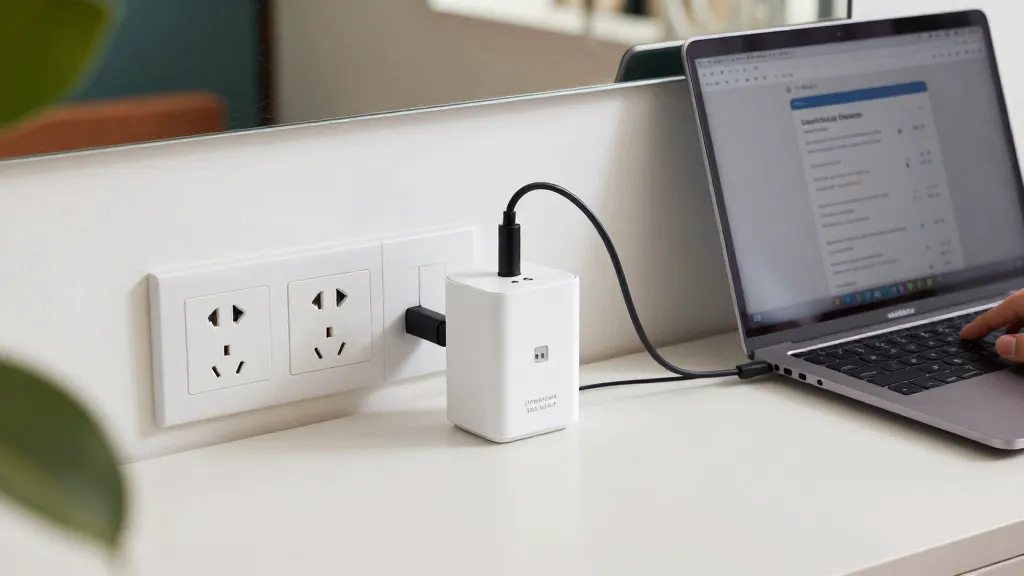
If you're planning a trip to Vietnam, one of the first things you'll need to consider is the electrical setup there. Whether you're charging your phone, using a hair dryer, or powering your camera, understanding the power plugs, voltage, and travel adapters needed for Vietnam is essential. This guide will help you navigate the electrical requirements of Vietnam and ensure your electronics work smoothly during your visit.
Vietnam operates on a standard electrical system, but knowing the specific plug types and voltage levels can prevent frustration and equipment damage. The country primarily uses Type A and Type C plugs, and the standard voltage is 220 volts at 50 hertz. These details are crucial for travelers who may be coming from countries with different electrical standards.
In this article, we’ll break down the plug types, voltage considerations, and adapter options you need for Vietnam. Whether you’re looking for a universal travel adapter or a voltage converter, we’ll provide practical advice to help you stay powered up while exploring this vibrant destination.
Understanding Vietnam's Electrical Standards
Understanding Vietnam's electrical standards is essential for travelers to ensure their electronic devices function safely and efficiently. The country's power infrastructure is designed to meet the needs of both local and international users, but knowing the specifics can prevent potential issues when using foreign equipment.
Plug Types in Vietnam
Vietnam primarily uses two types of power plugs: Type A and Type C. Type A plugs feature two flat parallel blades, while Type C plugs have two rounded pins. These plug types are commonly found in many countries, making them relatively easy to recognize. Most modern devices, especially those from Western countries, are compatible with these plug types, but travelers should verify their equipment's requirements before departure.
Voltage and Frequency in Vietnam
The standard voltage in Vietnam is 220 volts, with a frequency of 5, 50 Hz. This is slightly higher than the 110-120 volts used in many North American countries, so it's important to check if your electronic devices can handle this voltage. Most modern electronics, such as smartphones, laptops, and cameras, are designed to work with a wide voltage range and can adapt to 220 volts without a converter. However, older appliances or devices with specific voltage requirements may need a voltage converter to avoid damage.
What Power Plugs Are Needed in Vietnam
When traveling to Vietnam, understanding the power plug types used in the country is essential to ensure your electronic devices can be charged safely and efficiently. Vietnam operates on a standard electrical system that accommodates both Type A and Type C plugs, making it compatible with devices from various regions. However, if your device uses a different plug type, you’ll need an adapter to fit into the sockets available in Vietnam.
Type A Plugs
Type A plugs feature two flat, parallel pins and are commonly used in the United States and Canada. These plugs are widely recognized for their simplicity and are often found in modern electronics. If you're traveling from a country that uses Type A plugs, you won’t need an adapter to charge your devices in Vietnam. However, if your device is equipped with a different plug type, you’ll need an adapter to connect it to the Type A sockets available in most hotels and public areas.
Type C Plugs
Type C plugs have two round pins and are extensively used in Europe, as well as in many other regions around the world. These plugs are designed for a wide range of devices and are often included in travel kits for international travelers. In Vietnam, Type C sockets are commonly found alongside Type A outlets, especially in urban centers. If your device uses a Type C plug, you may still need an adapter if it’s not compatible with the local socket configuration. Always verify the plug type on your device’s power cable to avoid any inconvenience during your trip.
Voltage Considerations for Travelers
Voltage considerations are crucial for travelers using electronic devices in Vietnam. Understanding the local voltage and how it interacts with your equipment helps prevent damage and ensures safe use of your gadgets.
Standard Voltage in Vietnam
The standard voltage in Vietnam is 220 volts, which is the same as in most European countries. This voltage level is higher than the 110-120 volts used in North America, so travelers from the U.S. or Canada must be mindful of their devices' compatibility. While many modern electronics are designed for a wide range of voltages, it's important to verify whether your appliances can handle 220V.
Voltage Compatibility for Electronics
Many modern electronics, such as laptops, smartphones, and cameras, are built to operate on a range of voltages, typically 110-240 volts. These devices often include an internal voltage converter, allowing them to function safely in Vietnam without the need for an external converter. However, older appliances like irons, hair dryers, and certain kitchen gadgets may not be designed for 220V and could require a voltage converter to avoid damage. Always check your device's manual for its voltage rating before plugging it in.
Using the wrong voltage can lead to serious issues, including overheating, malfunction, or even a fire hazard. To prevent this, ensure that your electronics are compatible with Vietnam's 220V standard. If you're unsure about your device's voltage requirements, it's best to bring a voltage converter or use a universal travel adapter that includes conversion capabilities. Taking these precautions will help safeguard your electronics and ensure a smooth travel experience in Vietnam.
Choosing the Right Travel Adapter for Vietnam
Choosing the right travel adapter for Vietnam is essential to ensure your electronics work safely and efficiently. A reliable adapter can make your trip smoother by accommodating the local plug types and managing voltage differences. Here’s how to select the best option for your needs.
- Look for adapters with built-in USB ports for charging modern devices.
- Some adapters come with a voltage converter, which is useful for high-power appliances.
- Avoid cheap, poorly made adapters that can damage your electronics.
- Travel adapters are lightweight and easy to pack, making them ideal for travelers.
Universal Travel Adapters
A universal travel adapter is a must-have for travelers visiting Vietnam. These adapters are designed to work with both Type A and Type C plugs, which are commonly used in the country. This versatility means you won’t need multiple adapters for different devices, making your packing list more manageable. Look for adapters with multiple sockets to accommodate various plug shapes and sizes.
Voltage Converters Vs. Adapters
Voltage converters and adapters serve different purposes, so it’s important to understand the difference. A voltage converter changes the voltage from 220V to 110V, which is necessary for high-power appliances like hair straighteners or curling irons. Adapters, on the other hand, only change the plug shape and do not alter the voltage. If you’re planning to use devices that require a specific voltage, opt for a converter. However, most modern electronics, such as smartphones and laptops, are compatible with a wide range of voltages and can use a standard adapter.
Tips for Using Electronics in Vietnam
Always use surge protectors to guard against electrical surges, which can damage electronics and pose safety risks. Vietnam’s power grid is generally stable, but occasional fluctuations can occur, especially during peak hours or in older infrastructure. A surge protector not only shields your devices but also ensures a safer travel experience, particularly when using multiple gadgets simultaneously.
Avoid using appliances rated for 110V only without a converter, as Vietnam’s standard voltage is 220V. Many modern electronics, such as smartphones and laptops, are dual-voltage and can handle both 110V and 220V, but devices like hair straighteners or curling irons may require a converter to prevent overheating or malfunction. Always check the voltage rating on your appliance before plugging it in to avoid costly damage.
Check the power outlet availability in your accommodation before arriving to ensure you have access to the necessary outlets. Some hotels, especially in budget or older properties, may have limited or outdated sockets, which can complicate your travel setup. Confirming outlet availability in advance helps you pack the right adapters and avoids last-minute stress.
Keep your adapters in a safe place to prevent loss or damage, especially when traveling in crowded areas or public transport. Adapters are essential for using your devices in Vietnam, and losing one can disrupt your connectivity and productivity. Be mindful of power usage to avoid overloading the circuit in shared accommodations, where multiple travelers may be using the same outlet. Distributing the load across available outlets ensures a smoother and more efficient experience.
Frequently Asked Questions
What type of power plug is used in Vietnam?
Vietnam uses Type A and Type C power plugs. Type A has two thin parallel pins, while Type C has two round pins. Adapters are recommended for devices with different plug types.
Do I need a voltage converter for my electronics in Vietnam?
Most electronics are compatible with Vietnam's 220V standard. However, devices rated for 110-120V may require a voltage converter to avoid damage.
Can I use my US appliances in Vietnam without an adapter?
US appliances typically use Type A plugs, which are compatible with Vietnam's sockets. However, voltage differences may require a converter or a universal adapter.
What is the best travel adapter for Vietnam?
A universal travel adapter that supports Type A and Type C plugs is ideal for Vietnam. Look for models with surge protection and multiple USB ports for convenience.
Final Tips for Traveling with Electronics
Understanding Vietnam's electrical standards is essential for a seamless travel experience. Choosing the right adapter and ensuring voltage compatibility will help you use your devices safely. Always check your appliances' specifications before plugging them in.
Prepare a universal adapter and consider a voltage converter if needed. With the right tools, you can enjoy your time in Vietnam without worrying about power issues.