Crossing the Street in Vietnam Safely: Mastering the Traffic Flow
 vietgo8 min read
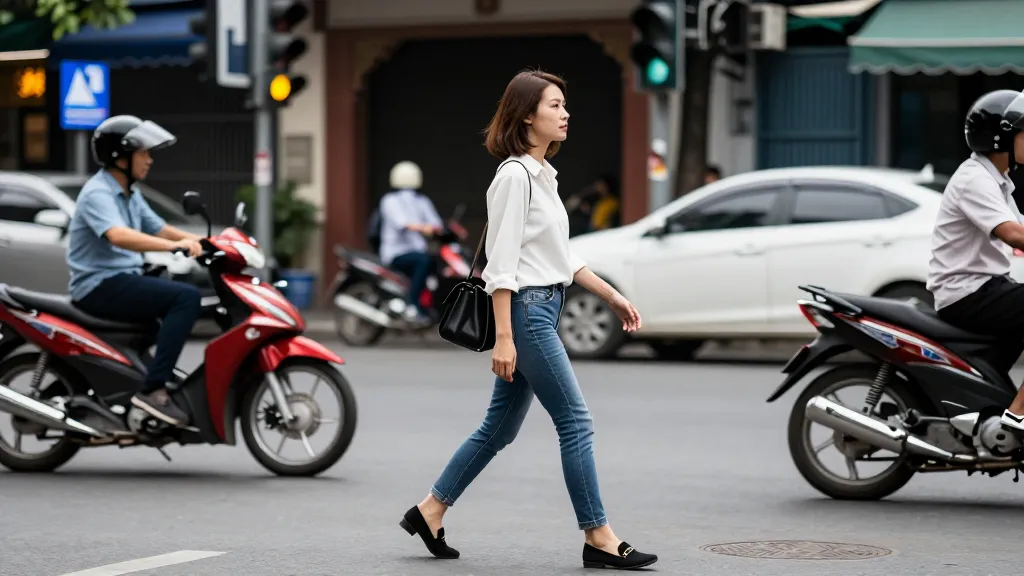
Crossing the street in Vietnam safely is a challenge for many international travelers, especially in bustling cities like Hanoi, where traffic flows with little predictability. The chaotic mix of motorbikes, cars, and pedestrians creates a high-risk environment, and understanding how to navigate it is essential for avoiding accidents. This article, Crossing the Street in Vietnam Safely: Mastering the Traffic Flow, provides a practical guide to staying safe on the roads. It covers the key aspects of Vietnamese traffic patterns, safe crossing practices, and how to navigate some of the most dangerous areas in Hanoi. Whether you're a solo traveler or a digital nomad, this guide will help you stay alert and prepared for the local traffic conditions.
Understanding Vietnamese Traffic Patterns
Vietnamese traffic operates under a unique set of rules and dynamics that differ significantly from Western countries. The dominance of motorbikes in the transportation system creates a fast-paced and often unpredictable environment, requiring pedestrians to adapt their behavior to stay safe.
The Dominance of Motorbikes in Vietnamese Traffic
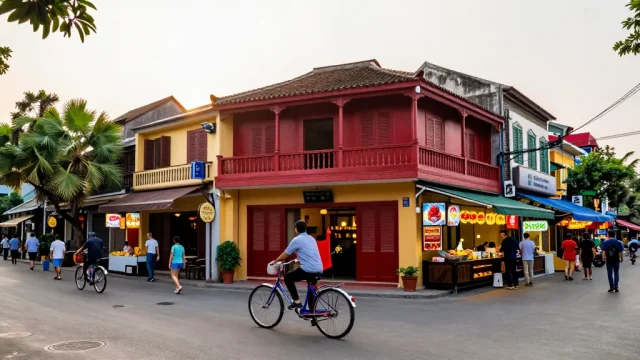
Motorbikes are the backbone of Vietnam's transportation network, outnumbering cars by a significant margin. These vehicles move at high speeds and often weave through traffic with little regard for traditional road rules. Pedestrians must be constantly aware of the chaotic flow, as scooters, buses, and motorbike taxis navigate the streets in a manner that prioritizes speed over safety. This environment demands heightened vigilance and a deep understanding of how motorbike traffic behaves.
When and Where to Cross the Street
Knowing where to stand and when to cross is crucial for avoiding accidents. Crosswalks are often ignored by drivers, and traffic lights may not be respected by all road users. Pedestrians should look for gaps in traffic rather than waiting for signals, and they should never assume that vehicles will stop for them. It is essential to stay visible, use eye contact with drivers, and avoid distractions such as using mobile phones while crossing. In Vietnam, safety on the streets requires a combination of awareness, timing, and adaptability.
Safe Practices for Crossing Streets in Vietnam
Safe practices for crossing streets in Vietnam are essential for avoiding accidents in a traffic environment where rules are often loosely followed. While local drivers may not always respect traffic signals, pedestrians can significantly reduce risks by adhering to basic safety protocols.
- Always look both ways before crossing, even if there are no traffic signals.
- Use the crosswalks and obey traffic lights, even if they are not always enforced.
- Avoid crossing in front of large vehicles like buses or trucks.
- Stay alert and avoid distractions such as using your phone while walking.
- Cross only when the road is clear and there are no vehicles nearby.
- Be cautious of sudden turns or U-turns from motorbike riders.
Crossing at Crosswalks and Traffic Lights
Crossing at crosswalks and obeying traffic lights is a fundamental safety practice, even in Vietnam where enforcement is inconsistent. While some crosswalks are well-marked and others are not, using them signals to drivers that you are a pedestrian and may reduce the risk of being hit. Traffic lights, although sometimes ignored, provide a visual cue that can help you time your crossing more safely. Even if the light is not working, treating it as a signal can create a habit of vigilance.
Avoiding Dangerous Zones Near Large Vehicles
Avoiding dangerous zones near large vehicles is crucial for pedestrian safety. Large vehicles like buses and trucks have significant blind spots, and their speed makes it difficult for drivers to react to sudden movements. Pedestrians should never attempt to cross in front of these vehicles, as it is a common cause of accidents. Instead, wait for a safe gap in traffic or use designated pedestrian crossings. Being aware of the vehicle’s size and speed can help you make better decisions when navigating busy streets.
Navigating Hanoi’s Chaotic Streets
Hanoi’s streets are among the most challenging for pedestrians, with dense traffic, limited footpaths, and a lack of dedicated pedestrian zones. Navigating these streets requires careful planning, awareness, and adherence to local traffic norms to avoid accidents and ensure a safer walking experience.
Hanoi’s Most Dangerous Crossing Areas
Hanoi’s most dangerous crossing areas are often found near major intersections, such as those around Hoan Kiem Lake, Ba Dinh Square, and the Old Quarter. These zones are heavily congested with motorbikes, cars, and pedestrians, making it difficult to predict vehicle movements. Avoid stepping onto the road unless you have a clear view of both directions and are certain no vehicles are approaching. Stick to main roads with marked footpaths, as these are generally safer than narrow alleys or chaotic markets where traffic is unpredictable.
Using Technology for Safe Navigation
Using technology can significantly enhance your safety while navigating Hanoi’s streets. Local map apps like Google Maps or MoMo provide real-time traffic updates, highlighting areas with heavy congestion or potential hazards. These apps can also guide you to safer routes and help you avoid peak traffic times. Additionally, consider using ride-hailing services for short distances, especially during rush hours, to minimize exposure to dangerous pedestrian zones. Staying informed through local apps and navigation tools is a practical step toward safer movement in Hanoi’s complex urban environment.
Tips for Walking in Popular Tourist Areas
Popular tourist areas in Vietnam, such as Hanoi’s Old Quarter and Pho Quoc Island, are lively and often well-marked, but they still require careful navigation. While these places may have clearer signage than other parts of the city, the sheer volume of pedestrians and vehicles means that walking safely demands focus and awareness.
- Stay on sidewalks and avoid jaywalking, even in crowded places.
- Use your phone to record or take notes for future reference.
- Follow signs and traffic lights, even if they seem inconsistent.
- Keep your belongings secure and avoid distractions while walking.
Walking in Hanoi’s Old Quarter and Street Markets
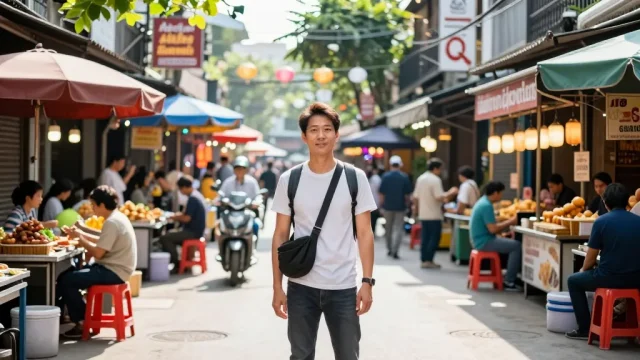
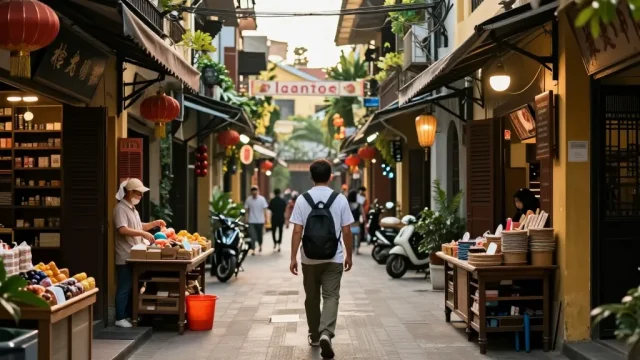
Hanoi’s Old Quarter is a maze of narrow streets, street vendors, and traffic, making it essential to stay on sidewalks. While the area is often well-signposted, the sheer density of people and motorbikes means that pedestrians must remain vigilant. Avoid stepping into the road, even if the street appears empty, as vehicles may appear suddenly. Use your phone to record the environment or take notes on safe routes for future visits.
Staying Alert in Tourist Zones
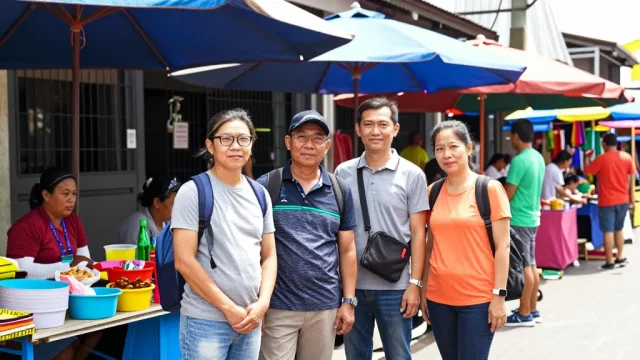
Tourist zones, including street markets and popular beaches, are known for their vibrant energy but also for their unpredictability. Stay alert by keeping your head up and avoiding distractions like phone calls or social media. While these areas may have clearer signage, the pace of traffic can still be fast, and not all drivers or motorbike riders will follow rules. Use your phone to capture observations or take notes on safe crossing points, which can be valuable for future trips or for sharing with fellow travelers.
Preparation and Awareness for Street Safety
Proper preparation and awareness are essential for navigating Vietnam’s busy streets safely. While understanding traffic patterns and safe crossing practices is crucial, equipping yourself with the right gear and knowledge can significantly reduce risks. By taking proactive steps, travelers can enhance their visibility, stay informed, and adapt to local conditions more effectively.
Clothing and Gear for Safe Walking
Wearing bright or reflective clothing is one of the simplest yet most effective ways to improve visibility to drivers. In Vietnam, where motorbike traffic is dense and speeds can be high, being seen is critical. Opt for light-colored or neon-colored clothing, especially when walking during early mornings or late evenings. Reflective accessories such as wristbands, belts, or even shoe covers can also make a noticeable difference. In urban areas, where street lighting is limited, these items can help drivers spot you more easily, reducing the risk of accidents.
Staying Informed About Local Rules
In addition to clothing, carrying a small flashlight or LED stick can provide an extra layer of safety, particularly when walking at night. Many streets in Vietnam lack adequate street lighting, making it difficult to see obstacles or drivers approaching from behind. A compact LED stick or flashlight can also serve as a deterrent against pickpockets and help you stay visible in crowded or dark areas. Being prepared with such tools not only enhances personal safety but also allows for better navigation through unfamiliar environments. Staying informed about local traffic rules and cultural norms further complements these practical measures, ensuring a more confident and secure travel experience.
Frequently Asked Questions
What are the best times to cross the street in Hanoi?
The best times to cross the street in Hanoi are during early mornings or late evenings when traffic is lighter. Avoid peak hours between 7-10 AM and 4-7 PM, as these are the busiest times for motorbike traffic.
Can I cross the street safely if there are no traffic lights?
Crossing without traffic lights requires extra caution. Look for designated crosswalks and watch for motorbike traffic. Use hand signals and cross slowly, ensuring no vehicles are approaching.
How can I stay safe when walking near motorbike taxis?
Stay on the sidewalk and avoid stepping into the road near motorbike taxis. Keep a safe distance and never attempt to hail a motorbike taxi on the street. Use designated taxi stands or apps for safer travel.
Are there any specific areas in Hanoi where pedestrians should avoid?
Avoid busy intersections like Hang Bac and Hoan Kiem, where traffic is dense. Stay away from poorly lit or poorly marked areas, and follow local advice to stay safe.
Final Thoughts on Street Safety
Understanding and adapting to Vietnamese traffic patterns is essential for safe street crossing. Prioritise crosswalks, remain alert, and adjust your travel times to avoid peak hours. Use technology and local knowledge to navigate Hanoi's streets with confidence.
Stay informed about local rules, dress appropriately, and stay aware of your surroundings. By combining practical tips with mindfulness, you can enjoy exploring Hanoi while staying safe on the streets.