Essential Vietnamese Phrases for Travelers: Greetings, Numbers, and Ordering
 vietgo9 min read
For English-speaking travelers heading to Vietnam, learning a few essential Vietnamese phrases can make all the difference. Whether you're navigating a bustling market, ordering a meal, or asking for directions, basic communication skills help you connect with locals and show respect for their culture. This guide provides Essential Vietnamese Phrases for Travelers: Greetings, Numbers, and Ordering, covering the most useful words and expressions you’ll need during your trip. From polite greetings to counting in Vietnamese, these phrases will boost your confidence and ease your interactions.
Understanding a few key Vietnamese words and phrases can enhance your travel experience by making you more approachable and open to local traditions. Simple expressions like 'xin chào' for hello or 'cảm ơn' for thank you are often enough to build friendly relationships. In a country where hospitality is highly valued, showing effort to speak the local language can create memorable moments and deeper connections with the people you meet along the way.
This article breaks down the most practical Vietnamese phrases for travelers, focusing on greetings, numbers, and ordering food and drinks. Whether you’re a digital nomad, backpacker, or just visiting for a short stay, these tips will help you navigate daily situations with ease. By mastering a few key phrases, you’ll not only improve your ability to communicate but also gain a greater appreciation for Vietnamese culture and the people who call it home.
Why Learning Basic Vietnamese Phrases Matters for Travelers
Learning basic Vietnamese phrases can significantly enhance your travel experience in Vietnam. Beyond just language, it's a gateway to deeper cultural understanding and smoother interactions with locals.
Cultural Respect and Local Engagement
Understanding and using Vietnamese phrases improves communication and cultural integration. Vietnamese culture places a strong emphasis on respect and politeness, and knowing the right words can help you show appreciation for local customs. Simple greetings and expressions of gratitude can make a big difference in how locals perceive your intentions. By making an effort to speak a few words of Vietnamese, you signal respect and openness, which can lead to more meaningful connections and a more welcoming experience.
Navigating Daily Situations with Confidence
Basic phrases help with ordering food, asking for directions, and expressing needs in everyday situations. Whether you're trying to find your way around a bustling market or requesting a specific dish at a restaurant, knowing a few key words can prevent misunderstandings and save time. Vietnamese is a tonal language, so pronunciation is key to being understood. For example, the word for 'thank you' (cảm ơn) is commonly used, but mispronouncing it might lead to confusion. Practicing the correct tones will help you communicate more clearly and confidently, making your interactions with locals more effective and enjoyable.
Essential Vietnamese Greetings and Politeness Phrases
Greeting and showing respect are fundamental aspects of Vietnamese culture. Learning the right phrases can help travelers build rapport, avoid misunderstandings, and make a positive impression during their visit.
- Xin chào (hello): A general greeting used in most situations. It is polite to use this phrase when meeting someone or entering a public place.
- Chào buổi sáng (good morning): Use this when greeting someone in the morning. It is common in markets, cafes, and public transport.
- Chào buổi tối (good evening): Appropriate for evening greetings, especially when meeting people in social settings or at night markets.
- Xin cảm ơn (thank you): A key phrase for expressing gratitude. It is used frequently in daily interactions, such as when receiving help or service.
- Xin lỗi (sorry): Used to apologize for mistakes or inconvenience. It is important to use this phrase when you accidentally cause a problem or make a mistake.
- Kính chào (respectful greeting): A more formal and respectful way to greet someone, often used in professional or formal settings.
Common Greetings and Farewells
Common greetings in Vietnamese are simple and widely used. 'Xin chào' is the most versatile, suitable for both formal and informal settings. When greeting someone, it is also customary to smile and make eye contact to show friendliness. In markets or public transport, you might hear 'Chào buổi sáng' or 'Chào buổi tối' depending on the time of day. These phrases are essential for everyday interactions and help travelers feel more at ease in social situations.
Expressing Gratitude and Respect
Expressing gratitude and respect is crucial in Vietnamese culture. 'Xin cảm ơn' is the standard way to say thank you, and it is often used when receiving help, service, or assistance. To make the gesture more sincere, you can add 'rất nhiều' (very much) after the phrase, such as 'Xin cảm ơn rất nhiều.' Similarly, 'Xin lỗi' is used to apologize for mistakes or to make amends. It is important to use these phrases politely and sincerely to show respect and maintain good relationships with locals.
How to Say Numbers in Vietnamese for Travelers
Understanding how to say numbers in Vietnamese is essential for travelers, especially when ordering food, counting money, or asking for quantities. Numbers are a fundamental part of daily communication, and mastering them can significantly enhance your ability to interact confidently with locals.
- Learn the Vietnamese words for numbers 1 to 10, which are straightforward and easy to remember.
- Practice saying numbers in context, such as when ordering food or asking for directions.
- Use number phrases for larger quantities by combining basic numbers with words like 'trăm' (hundred), 'nghìn' (thousand), and 'triệu' (million).
- Combine numbers with units of measurement, such as 'mét' (meter) or 'kg' (kilogram), to express precise quantities.
Numbers 1 to 10 in Vietnamese
Numbers 1 to 10 in Vietnamese are simple and follow a direct pattern. One is 'một', two is 'hai', three is 'ba', four is 'bốn', five is 'năm', six is 'sáu', seven is 'bảy', eight is 'tám', nine is 'chín', and ten is 'mười'. These words are commonly used in everyday conversations and are essential for basic communication.
When using numbers in Vietnamese, it's important to note that the word order may differ slightly from English. For example, when stating a price, you would say 'một trăm nghìn đồng' (one hundred thousand VND) rather than 'one hundred thousand VND'.
Counting Beyond 10 and Practical Uses
Counting beyond 10 in Vietnamese involves combining numbers with place values like 'trăm' (hundred), 'nghìn' (thousand), and 'triệu' (million). For example, 11 is 'mười một', 20 is 'hai mươi', and 100 is 'một trăm'. This system allows you to express any number with clarity and precision.
In practical situations, such as ordering food or asking for change, knowing how to count beyond 10 is invaluable. You can use these numbers to specify quantities, prices, or measurements, making your interactions with locals more effective and efficient.
Phrases for Ordering Food and Drinks in Vietnamese
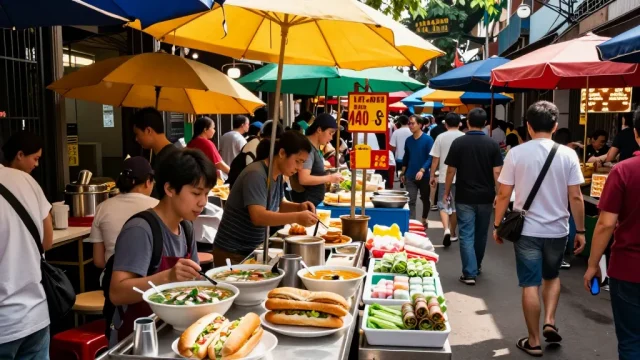
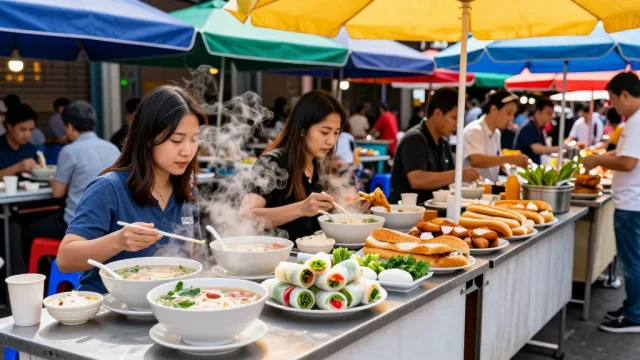
Ordering food and drinks in Vietnam is a common yet essential interaction for travelers. Knowing the right phrases ensures clarity, respect, and enjoyment of local cuisine. Vietnamese restaurants often operate on a take-away basis, so it's important to communicate your order confidently and politely.
- How to Order Food and Drinks
- Expressing Dietary Preferences
How to Order Food and Drinks
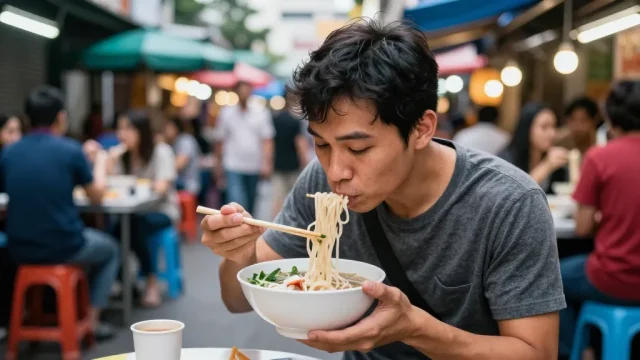
To order food, start by asking for the menu or indicating you're ready to order. Use phrases like 'Tôi xin gọi món' (I would like to order) or 'Có thể gọi món không?' (Can I order?). Once you've chosen a dish, clearly state the quantity and size. For example, 'Tôi muốn một bát phở to' (I want a large bowl of pho) or 'Tôi muốn một ly trà sữa nhỏ' (I want a small lychee milk tea). Always confirm the order with the server to avoid misunderstandings.
Expressing Dietary Preferences
When expressing dietary preferences, use polite and specific language. To indicate you don't eat meat, say 'Tôi ăn chay' (I am vegetarian). For gluten-free options, use 'Tôi không dùng gluten' (I don't use gluten). If you have a food allergy, explain clearly, such as 'Tôi không ăn được hải sản' (I can't eat seafood). It's also helpful to ask about ingredients, using 'Món này có chứa…' (This dish contains…) to confirm what's in your meal.
Tips for Practicing and Improving Vietnamese Communication
Practicing Vietnamese communication is key to building confidence and fluency. Language apps like Duolingo, Babbel, or Memrise offer structured lessons and exercises to help travelers learn essential phrases. Phrasebooks and travel guides provide quick references for common expressions, making it easier to recall words in real-time. These tools are especially useful for memorizing greetings, numbers, and food-related vocabulary before arriving in Vietnam.
Engaging with locals is one of the most effective ways to improve Vietnamese communication. Starting with simple conversations, such as asking for directions or ordering food, can help travelers feel more at ease and build rapport. Locals often appreciate the effort to speak their language, which can lead to more meaningful interactions and deeper cultural connections. Even if your Vietnamese is imperfect, showing willingness to communicate is a great step toward fluency.
Recording yourself speaking Vietnamese is a powerful method to refine pronunciation and improve fluency. By listening to your own voice, you can identify areas that need improvement, such as intonation or stress. This practice also helps with confidence, as it allows you to review your progress and make adjustments over time. Regularly recording and reviewing your speech can accelerate your learning and make interactions with locals more natural and effective.
Incorporating Vietnamese into daily routines, such as labeling items or repeating phrases aloud, can reinforce memory and usage. Consistency is crucial, as regular practice helps solidify new vocabulary and grammar. Travelers should also be patient with themselves, as language learning is a gradual process. With dedication and the right tools, Vietnamese communication skills can significantly enhance the travel experience and foster greater cultural understanding.
Frequently Asked Questions
How do I say 'I don't speak Vietnamese' politely?
You can say 'Tôi không nói được tiếng Việt' to politely state that you don't speak Vietnamese. It's important to show respect and willingness to communicate, even if you're not fluent.
What should I say if I'm unsure about an order?
You can ask 'Tôi có thể xin một ít nước uống không?' to request a drink or 'Tôi có thể xin một ít món ăn không?' for food. This shows you're trying to order politely and clearly.
Can I use English in Vietnamese restaurants?
While some staff may understand basic English, it's better to use simple Vietnamese phrases. This helps you communicate more effectively and shows respect for the local language.
How do I ask for the bill in Vietnamese?
You can say 'Tôi xin thanh toán' to ask for the bill. This is a polite and common way to request the bill in Vietnamese restaurants or cafes.
Next Steps for Your Vietnamese Journey
Mastering basic Vietnamese phrases can significantly enhance your travel experience. Knowing greetings, numbers, and how to order food helps you navigate daily situations with confidence and respect.
To improve your Vietnamese communication, practice regularly and use these phrases in real-life scenarios. Start with the essentials and build your skills gradually for a more immersive and enjoyable trip.