Navigating Food Allergies and Gluten-Free Dining in Vietnam
 vietgo7 min read
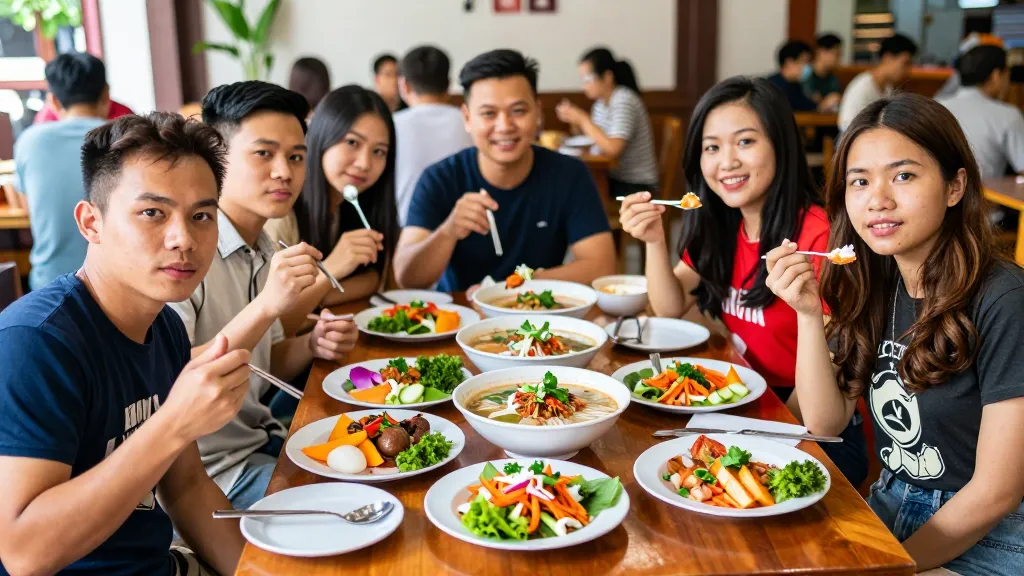
For international travelers with food allergies or celiac disease, dining in Vietnam can feel like a minefield of hidden ingredients and cross-contamination risks. From street food stalls to bustling markets, the challenge lies in finding safe, enjoyable meals while navigating a cuisine deeply rooted in rice, noodles, and fermented sauces. Navigating Food Allergies and Gluten-Free Dining in Vietnam requires both preparation and adaptability. This guide offers practical advice for travelers seeking to eat safely and comfortably, whether they’re digital nomads exploring Hanoi or backpackers venturing through the Mekong Delta.
We’ll break down common allergens in Vietnamese food, explain where gluten might hide in traditional dishes, and share strategies for identifying safe options. Whether you’re using apps like VietGo or learning how to communicate your dietary needs in Vietnamese, this article equips you with the tools to dine confidently.
From street food to hotel dining, we cover everything from market stalls to private kitchens, offering tips for managing food allergies and celiac disease while enjoying the rich flavors of Vietnam. With the right knowledge and resources, you can savor the local cuisine without compromising your health.
Understanding Common Allergens and Gluten in Vietnamese Cuisine
Vietnam’s vibrant food culture is rich in flavor and variety, but for travelers with food allergies or celiac disease, understanding common allergens and gluten content is essential for safe dining. Many traditional dishes and street foods contain ingredients that may pose risks, so awareness and preparation are key to enjoying local cuisine without compromising health.
Common Allergens in Vietnamese Food
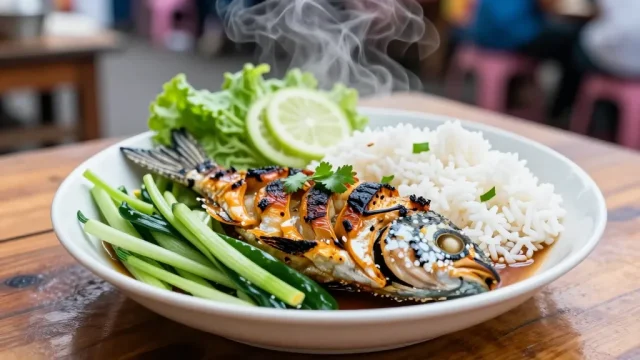
Common allergens in Vietnamese food include peanuts, shrimp, and shellfish, which are frequently used in both street foods and home-cooked meals. Peanuts are a staple in many dishes, such as pho and banh mi, while shrimp and shellfish are popular in soups, stir-fries, and grilled dishes. Cross-contamination is a concern, especially in markets where ingredients are often shared or prepared in the same space. Travelers with allergies should be cautious and inquire about preparation methods to avoid unexpected exposure.
Gluten in Traditional Dishes
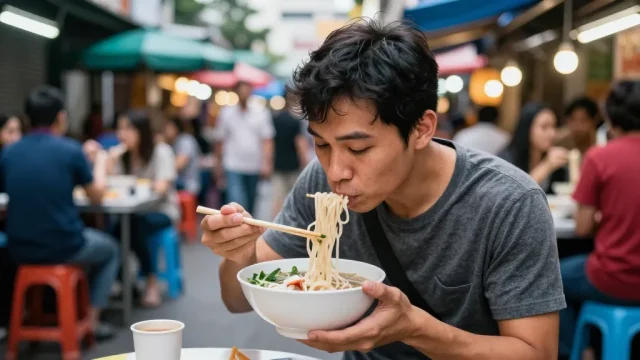
Gluten is a common ingredient in Vietnamese cuisine, particularly in dishes like pho and banh mi. Pho, a popular noodle soup, often contains wheat-based noodles, while banh mi, the iconic sandwich, may include bread made with wheat flour. For those with celiac disease or gluten sensitivity, these dishes can be problematic. It is important to communicate dietary restrictions clearly to restaurant staff, as many traditional recipes may not be naturally gluten-free. Learning basic Vietnamese phrases related to food allergies and gluten-free requests can help ensure safer dining experiences.
Finding Gluten-Free and Allergy-Friendly Restaurants in Vietnam
Finding gluten-free and allergy-friendly restaurants in Vietnam requires a mix of research, communication, and awareness. While traditional Vietnamese cuisine is often naturally low in gluten, cross-contamination and hidden ingredients can pose challenges. Fortunately, several tools and strategies can help travelers locate safe dining options.
- Use apps like VietGo to find gluten-free and allergy-friendly restaurants.
- Look for clear signage and ask staff about menu options.
- Consider dining at Western-style cafes and hotels for more controlled environments.
- Bring a translation app or phrasebook to aid in communication.
Using VietGo and Other Resources to Find Safe Eateries
Apps like VietGo are invaluable for locating restaurants that cater to dietary restrictions. This platform allows users to filter by cuisine, price range, and dietary preferences, including gluten-free and allergy-friendly options. Many listed eateries provide detailed information about their menu and kitchen practices, helping travelers make informed choices.
Tips for Communicating with Restaurant Staff
When visiting a restaurant, it’s essential to communicate your dietary needs clearly. Start by asking if the kitchen is gluten-free or if cross-contamination is a risk. Many staff members may not be familiar with specific allergies, so bringing a translation app or phrasebook can be helpful. Don’t hesitate to request modifications to dishes or to confirm the ingredients used in preparation.
Eating Out Safely: Street Food and Markets
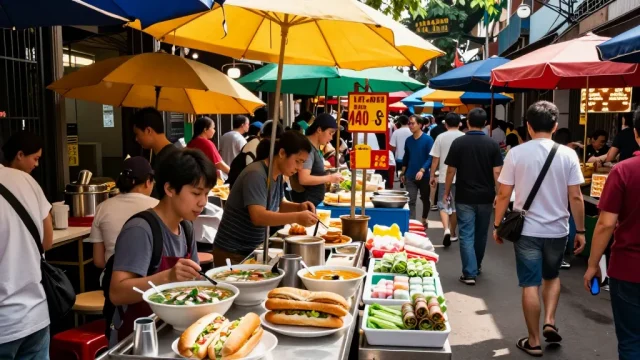
Street food is a staple of Vietnamese culture, offering vibrant flavors and affordability. However, for those with food allergies or gluten sensitivities, navigating this culinary landscape requires careful consideration. While street food can be a delightful experience, it also poses risks due to cross-contamination and the use of common allergens. This section provides guidance on how to enjoy street food safely while managing dietary restrictions.
Street Food Safety for Allergy Sufferers
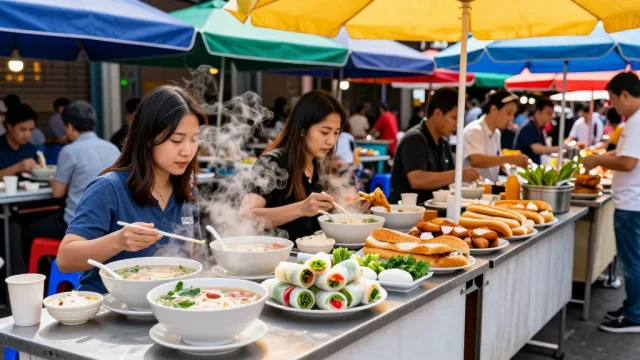
Street food is often a staple of Vietnamese culture, offering vibrant flavors and affordability. However, for those with food allergies or gluten sensitivities, navigating this culinary landscape requires careful consideration. While street food can be a delightful experience, it also poses risks due to cross-contamination and the use of common allergens. Opt for fresh, cooked-to-order items rather than pre-prepared foods, which may contain hidden allergens or gluten-based ingredients. Vendors who prepare food in front of customers tend to follow more hygienic practices and are more likely to accommodate dietary needs.
Tips for Dining at Markets and Night Markets
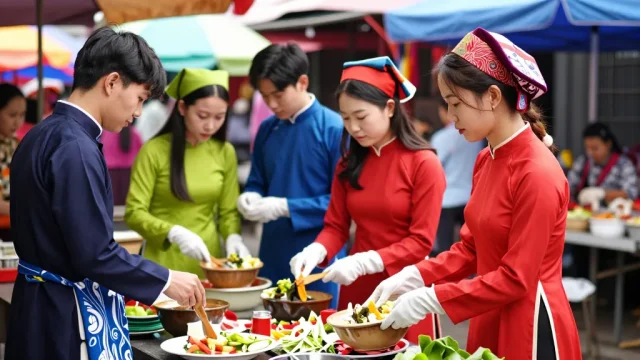
Dining at markets and night markets can be both exciting and challenging for allergy sufferers. These environments are often crowded and fast-paced, making it difficult to assess food safety. Look for vendors with clear hygiene practices, such as clean utensils and frequent handwashing, and observe the level of customer traffic. High turnover and busy queues can indicate fresh ingredients and prompt preparation, reducing the risk of contamination. Always communicate your dietary needs clearly to the vendor, using simple language or visual aids if necessary. While markets offer a wide variety of options, it’s essential to remain vigilant and prioritize foods that are visibly fresh and prepared on-site.
Gluten-Free Dining in Vietnamese Hotels and Resorts
Many hotels and resorts in Vietnam offer gluten-free dining options, making it easier for travelers with food allergies or celiac disease to enjoy meals without compromising their health. Whether through private kitchens or dedicated restaurant menus, these accommodations can provide safe and satisfying dining experiences.
Hotel Dining and Private Kitchens
Hotel dining and private kitchens often provide flexibility for guests with dietary restrictions. Many resorts include gluten-free options in their standard menus, while others offer private cooking services where chefs can tailor meals to individual needs. It's advisable to inform the hotel in advance about your dietary requirements so they can prepare accordingly. Some properties even maintain a list of allergen-free ingredients or substitutions to ensure meals meet your specifications.
Specialized Services for Dietary Needs
Specialized services for dietary needs are becoming more common in high-end resorts and wellness centers. Some hotels offer personalized meal plans, cooking classes, or nutrition consultations to help guests manage their allergies or gluten intolerance while traveling. These services are particularly beneficial for those requiring strict dietary control or who wish to learn how to prepare safe meals during their stay. When booking, inquire about these options to ensure your needs are fully met.
Tips for Managing Food Allergies and Celiac Travel in Vietnam
Managing food allergies and celiac disease while traveling in Vietnam requires preparation and awareness. While many restaurants and street vendors offer safe options, there are situations where you might need to rely on your own provisions. Packing a small, portable gluten-free lunch can provide a reliable meal option in case of unexpected challenges. This should include items like rice cakes, nuts, fruits, and protein bars, which are easy to carry and store.
- Pack a small, portable gluten-free lunch for emergencies.
- Carry an emergency kit with antihistamines and medical documents.
- Stay informed about local food safety and hygiene standards.
- Keep a list of emergency contacts, including local hospitals and clinics.
- Inform travel companions or accommodation staff about your dietary needs.
- Bring a translation app or phrasebook for communicating with restaurant staff.
In addition to food, it's essential to carry an emergency kit that includes antihistamines and any necessary medical documents, such as a doctor’s note or allergy certification. This ensures you are prepared for mild allergic reactions and can provide critical information to local healthcare providers if needed. Always keep your medications in their original packaging and ensure you know the correct dosage.
Frequently Asked Questions
Are there any gluten-free restaurants in Hanoi or Ho Chi Minh City?
Yes, Hanoi and Ho Chi Minh City have several gluten-free restaurants and cafes that cater to dietary restrictions. Look for places that offer clear menus and are willing to accommodate special requests. Some popular spots include both local and international chains.
How can I safely eat street food with food allergies in Vietnam?
To safely eat street food with food allergies, choose vendors with a good reputation, avoid cross-contamination, and communicate your needs clearly. Bring antihistamines and always carry an emergency plan.
Can I request gluten-free modifications in a local Vietnamese restaurant?
Yes, you can request gluten-free modifications in many local Vietnamese restaurants. It's important to communicate your needs clearly and be patient, as some dishes may naturally contain gluten.
What should I pack for managing food allergies while traveling in Vietnam?
Pack allergy medication, an emergency plan, a translation app, and a list of safe foods. Also, bring a small notebook to record any adverse reactions and keep your medications in easily accessible containers.
Final Thoughts on Gluten-Free Travel in Vietnam
Navigating food allergies and gluten-free dining in Vietnam is possible with the right preparation and resources. Research restaurants, communicate effectively, and stay alert to local ingredients. With careful planning, you can enjoy the rich culinary culture of Vietnam while managing your dietary needs.
Start by using apps like VietGo to find gluten-free and allergy-friendly options. Always carry necessary medications and be prepared to explain your needs clearly. Safe and enjoyable dining is achievable with awareness and proactive planning.