Tap Water, Ice, and Street Food Safety in Vietnam: Staying Healthy Abroad
 vietgo8 min read
For many travelers, Vietnam's vibrant street food scene and warm hospitality are highlights of their trip. However, enjoying local cuisine and refreshments like tap water and ice can pose health risks if not approached carefully. Tap Water, Ice, and Street Food Safety in Vietnam: Staying Healthy Abroad is essential for anyone planning to explore the country's rich culture and flavors without compromising their wellbeing. Understanding the potential dangers of tap water and ice, as well as how to safely navigate street food, can make all the difference in avoiding stomach bugs and food poisoning.
This article covers the key risks associated with tap water and ice in Vietnam, including how these can contribute to foodborne illnesses. It also provides practical guidance on finding safe drinking water, using portable filtration methods, and making informed choices when eating street food. Whether you're a digital nomad, backpacker, or simply visiting for a short break, knowing how to stay healthy abroad is crucial for an enjoyable and worry-free experience.
By following simple yet effective strategies, travelers can enjoy Vietnam's famous dishes and local refreshments with confidence. From recognizing the signs of a stomach bug to knowing when to seek medical help, this guide offers clear, actionable steps to ensure your health while exploring one of the world's most fascinating destinations.
Understanding the Risks of Tap Water and Ice in Vietnam
Tap water and ice in Vietnam can pose health risks to travelers due to potential contamination from bacteria, parasites, or chemicals. While some areas may have relatively clean water, it's not always safe to assume the same standard applies everywhere. Travelers should take precautions to ensure their water is safe to drink, especially when consuming street food or ice in local settings.
Why Tap Water in Vietnam Isn't Always Safe to Drink
Tap water in Vietnam may contain harmful microorganisms such as E. coli, Salmonella, and Giardia, which can cause gastrointestinal illnesses. These contaminants often result from inadequate water treatment, aging infrastructure, or pollution from agricultural runoff and industrial waste. While some urban areas have improved water treatment systems, rural regions and smaller towns may not meet the same standards, making the risk higher in those locations.
The Role of Ice in Food-Borne Illnesses
Ice made from tap water can be a significant source of contamination, particularly in street food environments. Many street vendors use ice to keep dishes cool, but if the ice is made from unclean water, it can introduce harmful pathogens into the food. This is especially concerning for travelers with weakened immune systems or those who are more susceptible to foodborne illnesses. To minimize risk, travelers should avoid consuming ice in places where they are unsure of the water source.
Safe Alternatives to Tap Water and Ice in Vietnam
When tap water and ice in Vietnam pose health risks, travelers need reliable alternatives to stay safe. Fortunately, several options are available to ensure access to clean drinking water without compromising convenience or cultural experiences.
- Bottled water is widely available and often labeled as 'purified' or 'mineral'.
- Using a portable water filter or purification tablets can help ensure safe drinking water.
- Avoiding ice in drinks, especially at street food stalls, can reduce the risk of contamination.
- Many cafes and restaurants now offer filtered water and ice made from purified sources.
Where to Find Safe Drinking Water in Vietnam
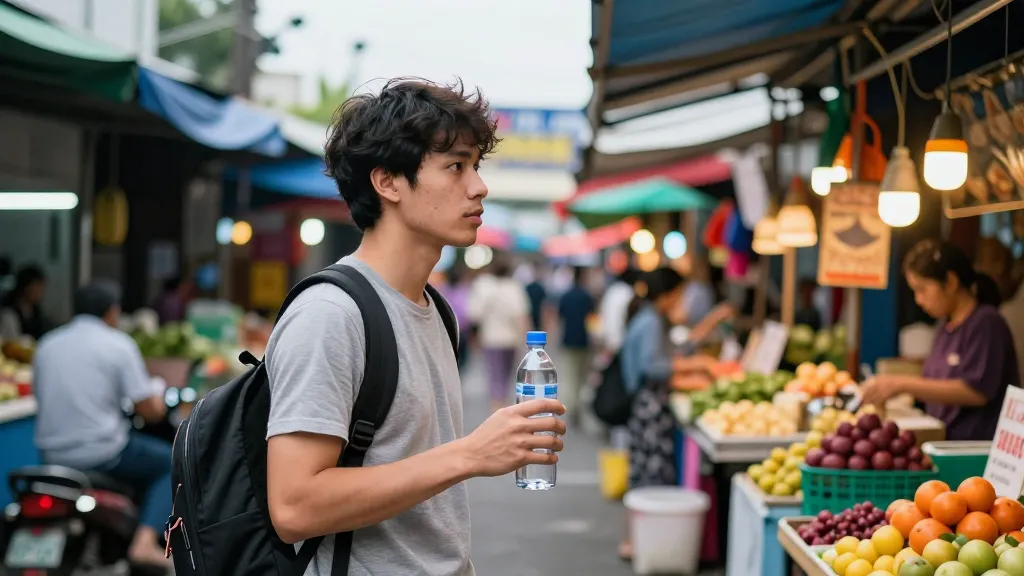
Bottled water is the most straightforward and reliable option for travelers in Vietnam. It is commonly available at markets, convenience stores, and street vendors, often labeled as 'purified' or 'mineral'. While not all bottled water is guaranteed to be safe, choosing brands that explicitly state purification processes minimizes risk. It's also wise to check for sealed bottles and avoid purchasing water from unregulated sources.
Portable Water Filters and Tablets: A Traveler's Guide
Portable water filters and purification tablets are excellent tools for travelers seeking to reduce reliance on bottled water. Filters, such as those with hollow fiber or ceramic technology, can remove bacteria and some viruses, making water safe to drink. Tablets containing iodine or chlorine dioxide are easy to carry and can be used on the go. While these methods are effective, they require regular maintenance and may not eliminate all contaminants, so combining them with bottled water is often the best approach.
Eating Street Food Safely in Vietnam
Street food is a highlight of Vietnamese cuisine but requires careful selection to avoid illness. While the local food culture is vibrant and flavorful, the risk of foodborne illness can be high if hygiene standards are not met. By following a few key guidelines, travelers can enjoy street food safely while experiencing the best of Vietnam’s culinary traditions.
How to Choose Safe Street Food in Vietnam
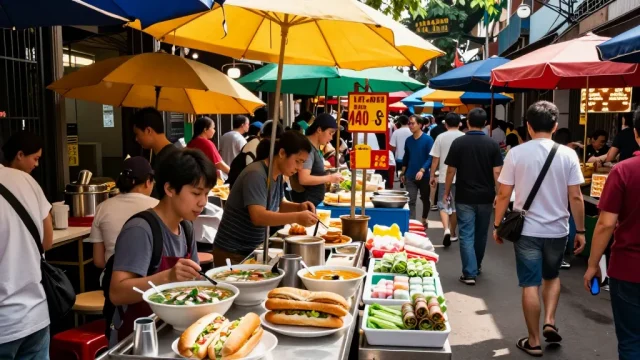
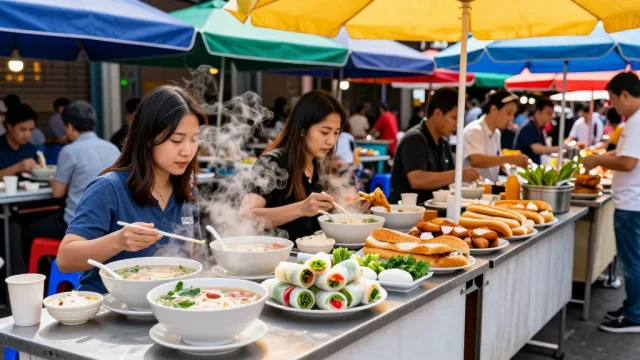
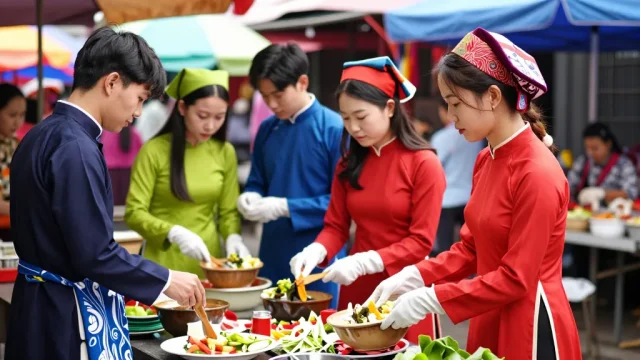
When choosing street food, look for busy stalls with high turnover and visible hygiene practices. A well-run food vendor will typically have clean hands, fresh ingredients, and a clean work area. Avoid stalls where food is prepared in unsanitary conditions or where the vendor appears unwell. Pay attention to the freshness of ingredients and the cleanliness of utensils used for serving.
Common Dishes and Their Safety Considerations
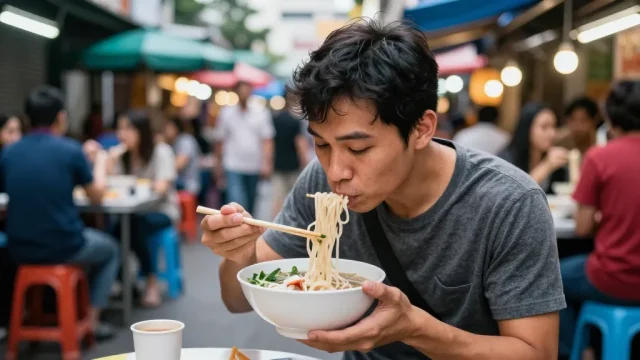
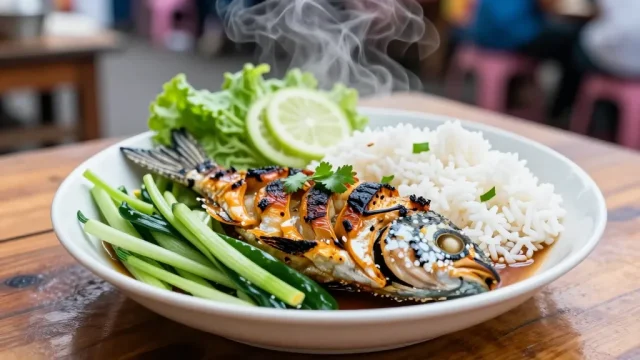
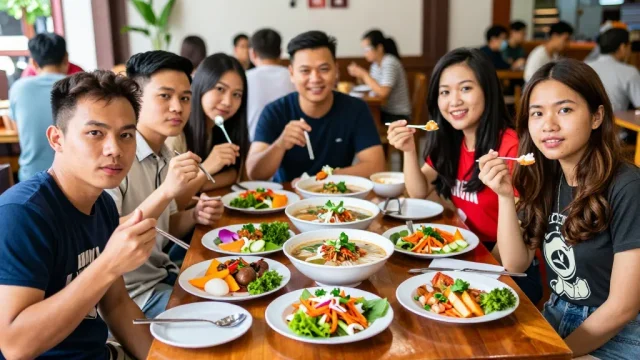
Many popular dishes are safe to eat when prepared properly, but some carry a higher risk. Dishes like pho, banh mi, and spring rolls are generally safe as they are cooked and served quickly. However, avoid raw seafood, undercooked meat, and dishes that are left out for long periods. Street vendors selling grilled meats or raw vegetables should be approached with caution, especially if the food is not served at a safe temperature. Always check that the food is steaming hot or freshly prepared to minimize the risk of contamination.
Preventing Stomach Bugs and Food Poisoning in Vietnam
Preventing stomach bugs and food poisoning is crucial for travelers in Vietnam, where the risk of traveler's diarrhea is common. Understanding the signs and knowing how to treat these conditions can help you stay healthy and continue exploring with confidence.
Recognizing the Signs of a Stomach Bug in Vietnam
Symptoms of a stomach bug in Vietnam typically include diarrhea, nausea, vomiting, and abdominal cramps. These symptoms can range from mild to severe, especially in travelers with weakened immune systems. Fever and fatigue may also occur, and in some cases, the illness can lead to dehydration. If symptoms persist for more than a few days or worsen, it is important to seek medical attention, as complications can arise.
How to Treat and Recover From Food Poisoning
Treating and recovering from food poisoning in Vietnam involves rest, hydration, and appropriate medication. Drinking plenty of fluids, such as oral rehydration solutions, can help prevent dehydration. Over-the-counter medications for nausea and diarrhea may be useful, but they should be used cautiously and only as needed. Recovery usually takes a few days, and it is important to avoid solid foods until symptoms subside. If symptoms are severe or persistent, consulting a healthcare professional is recommended to ensure proper treatment and prevent further complications.
Practical Tips for Staying Healthy While Exploring Vietnam
Staying healthy in Vietnam requires a proactive approach to hygiene and food safety. Always drink only bottled or filtered water and avoid ice unless you are certain it comes from a safe source. Many street food vendors use ice that may not be properly stored, increasing the risk of contamination. Carrying a portable water filter or using water purification tablets can provide an extra layer of protection, especially in areas where tap water is not reliably treated.
- Drink only bottled or filtered water and avoid ice unless you know its source.
- Eat at local markets and street food stalls with high turnover and good hygiene.
- Wash hands frequently and use hand sanitizer when eating or handling food.
- Stay informed about local health advisories and consider travel insurance for medical emergencies.
When eating out, prioritize local markets and street food stalls that have a high turnover of customers and maintain good hygiene standards. These places are often more trustworthy than tourist-focused eateries, which may not always follow strict food safety practices. Look for vendors who use fresh ingredients, clean utensils, and proper food storage methods. Avoid raw or undercooked foods, especially if you are not used to the local cuisine.
Maintaining proper hand hygiene is one of the simplest yet most effective ways to prevent illness. Wash your hands frequently with soap and clean water, especially before eating and after using the restroom. When handwashing is not possible, use hand sanitizer with at least 60% alcohol content. This habit can significantly reduce the risk of contracting stomach bugs or foodborne illnesses while traveling.
Frequently Asked Questions
Is it safe to drink tap water in Vietnam?
Tap water in Vietnam is often not safe to drink due to possible contamination. It is recommended to use bottled or filtered water for drinking and cooking.
Can I trust the ice in street food stalls?
Ice in street food stalls may not be safe, as it could be made from tap water. It is best to avoid ice unless you are certain it is made from purified sources.
What are the best ways to avoid food poisoning in Vietnam?
To avoid food poisoning, choose fresh, well-cooked food, eat at reputable stalls, and ensure your water and ice are safe. Practicing good hygiene also helps.
How can I stay safe with street food in Vietnam?
Stay safe by selecting stalls with high customer traffic, avoiding raw or undercooked foods, and being cautious with ice and drinks. Always carry safe water with you.
Final Thoughts on Staying Healthy
Staying healthy in Vietnam requires vigilance regarding water, ice, and street food. Prioritise bottled water, use filters, and choose fresh, well-cooked meals to avoid illness.
Pack a portable water filter or tablets, and be selective about where you eat. These steps will help you enjoy Vietnam safely and confidently.