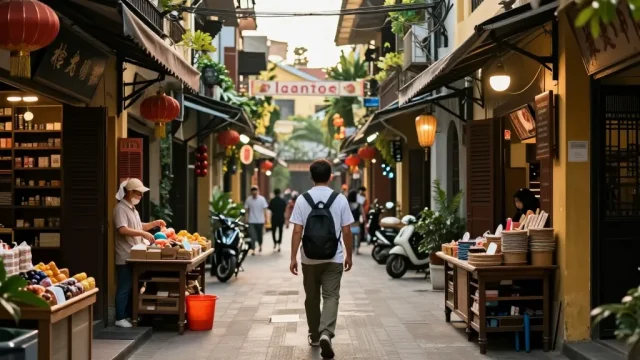
Navigating Vietnam’s Rainy Season: Why Monsoon Weather Shouldn’t Stop You
 vietgo8 min read
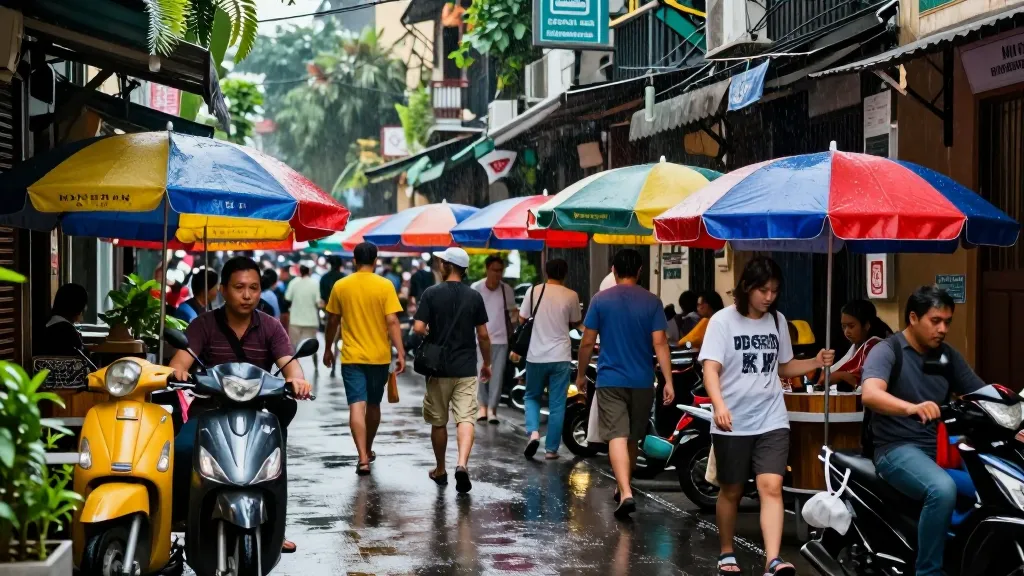
If you're planning a trip to Vietnam and wondering whether the monsoon season will ruin your experience, you're not alone. Many travelers are concerned about the impact of heavy rains and unpredictable weather on their itinerary. However, Navigating Vietnam's Rainy Season: Why Monsoon Weather Shouldn't Stop You is a guide to help you understand how to embrace the wet season without compromising your travel plans. This article covers everything from the timing of the monsoon season to practical tips for staying comfortable and safe. Whether you're exploring the bustling streets of Hanoi or the serene temples of Hue, you'll learn how to make the most of your trip, rain or shine.
Understanding Vietnam's Rainy Season
Vietnam's monsoon season, marked by heavy rainfall and humid conditions, is a critical factor for travelers planning their visit. While the season can affect travel plans, understanding its timing and regional differences helps in making informed decisions. This section explores the typical months of the monsoon season and how rainfall varies across Vietnam's diverse regions.
When Does the Rainy Season Occur in Vietnam?
The monsoon season in Vietnam generally spans from May to November, with the heaviest rainfall occurring between June and September. During these months, much of the country experiences frequent thunderstorms and prolonged downpours, which can disrupt travel plans. However, the intensity and duration of rainfall vary significantly depending on the region, making it essential to consider local conditions when planning a trip.
Regional Variations in Monsoon Patterns
Regional variations in monsoon patterns mean that not all parts of Vietnam experience the same level of rainfall. In the north, particularly in Hanoi and the surrounding areas, the monsoon season brings intense downpours, often leading to flooding in low-lying areas. In contrast, the central region, including Da Nang and Hoi An, experiences a more moderate monsoon season with shorter, less severe rain showers. The southern regions, such as Ho Chi Minh City and the Mekong Delta, tend to have a shorter and less intense monsoon period, with most rainfall concentrated in the late summer months. These differences highlight the importance of researching specific destinations to understand how the monsoon season might impact travel experiences.
Why Monsoon Weather Doesn't Mean You Should Stay Away
Traveling during Vietnam's rainy season offers unique opportunities to experience the country in a different light. The monsoon weather can enhance the travel experience by creating a more tranquil atmosphere, offering stunning natural scenery, and allowing visitors to explore lesser-known destinations with fewer crowds.
The Beauty of Vietnam in the Rain
The beauty of Vietnam in the rain is often overlooked, yet it can be one of the most captivating times to visit. The lush greenery becomes even more vibrant, and waterfalls flow with renewed energy. The sound of rain on rice paddies and the misty atmosphere can create a sense of peace and serenity, making it an ideal time for reflection and relaxation. Additionally, the cooler temperatures provide relief from the summer heat, making outdoor activities more enjoyable.
Popular Destinations During the Monsoon Season
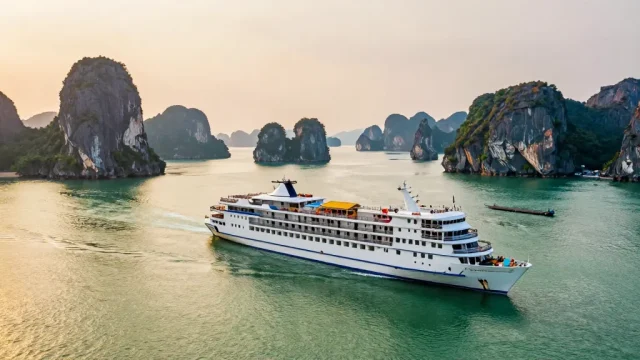
Several popular destinations remain accessible and even more appealing during the monsoon season. Ha Long Bay, for example, is often less crowded, allowing for a more immersive experience of its limestone karsts and emerald waters. Similarly, the Mekong Delta benefits from the seasonal flooding, which enhances the landscape and supports local agriculture. These destinations offer a unique blend of natural beauty and cultural experiences that are worth exploring during the rainy season.
Practical Tips for Traveling During Vietnam's Monsoon Season
Traveling during Vietnam's monsoon season requires preparation to ensure comfort and safety. Packing the right gear, selecting reliable transportation, and choosing suitable accommodations can make a significant difference in your experience. By focusing on practical steps, you can enjoy the country's beauty without letting the weather disrupt your plans.
- Pack waterproof clothing, quick-dry fabrics, and a compact umbrella or rain jacket.
- Invest in waterproof backpacks and shoe covers to protect your belongings and stay dry.
- Ensure you have travel insurance that covers weather-related disruptions and medical emergencies.
- Stay hydrated and take precautions against mosquito bites by using repellent and wearing long sleeves.
- Choose accommodation with reliable electricity and access to clean water, especially in remote areas.
- Opt for private transportation or local taxis instead of public buses during heavy rains.
What to Pack for the Rainy Season
What to Pack for the Rainy Season involves more than just an umbrella. Prioritize lightweight, water-resistant clothing that dries quickly, such as synthetic fabrics or polyester blends. Include a compact rain jacket and waterproof shoes to stay dry while exploring. Don’t forget a reusable water bottle to stay hydrated and a portable power bank to keep your devices charged. These items will help you navigate the wet season with ease and confidence.
Choosing the Right Transport and Accommodation
Choosing the Right Transport and Accommodation is key to a smooth monsoon trip. Opt for private transportation or local taxis, which are often more reliable than public buses during heavy rains. If you're staying in a remote area, ensure your accommodation has access to clean water and electricity. Look for hotels or guesthouses with good reviews for their ability to handle weather fluctuations. A well-planned choice in transport and lodging can greatly enhance your travel experience during Vietnam’s rainy season.
Planning Your Itinerary Around the Monsoon Season
Planning your itinerary around Vietnam's monsoon season requires a balance between flexibility and preparation. While the weather can be unpredictable, it also opens up opportunities to explore lesser-known destinations and enjoy off-peak travel advantages. By adjusting your plans strategically, you can make the most of your trip while staying comfortable and safe.
Ideal Itineraries for the Monsoon Season
Ideal itineraries during the rainy season often focus on destinations that are less affected by heavy rainfall. Northern regions like Sapa or Ha Giang can be particularly rewarding during this time, as the misty landscapes and cool temperatures create a unique atmosphere. Similarly, the central highlands, including Da Lat, offer a refreshing escape with lush greenery and fewer crowds. Planning to stay in these areas for a few days allows you to experience the natural beauty of Vietnam without the usual summer heat.
Tips for Day Trips During the Rainy Season
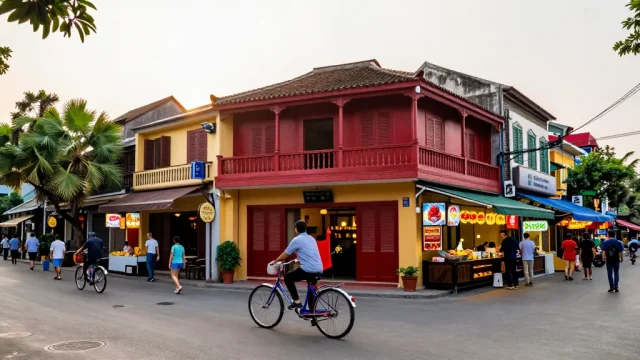
For day trips, prioritize locations with well-established transport links and protective infrastructure. Visiting Ha Long Bay during the rainy season can still be a memorable experience, as the misty waters and towering limestone islands create a magical ambiance. However, it's important to book boat tours in advance and check weather forecasts to avoid disruptions. Similarly, exploring the ancient town of Hoi An or the cultural capital of Hue during the monsoon season allows for a more tranquil experience, with fewer tourists and a chance to enjoy local festivals that often take place during this time.
Making the Most of Vietnam's Wet Season
Vietnam's rainy season offers a unique opportunity to experience the country in a different light. The lush greenery, vibrant flora, and misty landscapes create a serene and refreshing atmosphere that is often overlooked by travelers. Embracing the wet season means immersing yourself in the natural beauty of Vietnam, where rivers swell, waterfalls cascade, and rice paddies glisten under the rain. These conditions enhance the visual appeal of the country, making it an ideal time for photography and nature walks.
Cultural experiences also thrive during the rainy season. Many local festivals and events take place in this period, offering travelers a chance to engage with Vietnamese traditions and customs. Temples, pagodas, and historical sites are often less crowded, allowing for a more personal and reflective visit. The rain can also create a mystical ambiance, enhancing the spiritual and cultural significance of these locations.
To make the most of Vietnam's wet season, focus on activities that are less impacted by the weather. Explore the Mekong Delta by boat, where the rain enhances the experience of floating markets and local life. Visit caves like Son Doong or Hang Son Doong, where the humidity and mist create a dramatic and otherworldly setting. These unique experiences are often more accessible and affordable during the rainy months.
Ultimately, the rainy season in Vietnam is a time of transformation and opportunity. While the weather may be unpredictable, the rewards of traveling during this period are abundant. By adapting to the conditions and embracing the unique charm of the wet season, travelers can create unforgettable memories and gain a deeper appreciation for the country's natural and cultural wonders.
Frequently Asked Questions
Is it safe to travel in Vietnam during the monsoon season?
Traveling in Vietnam during the monsoon season is generally safe, with minimal risks to health or safety. While heavy rainfall can affect travel plans, it does not pose significant dangers. It's important to monitor local weather forecasts and take precautions to stay dry and comfortable.
What should I do if my flight is delayed due to rain?
If your flight is delayed due to rain, stay updated with the airline's communication channels. Consider using the time to explore nearby attractions or relax at your accommodation. Always check for alternative travel options and be prepared for potential changes in your itinerary.
Are there any areas in Vietnam that are particularly affected by the monsoon?
Certain regions in Vietnam, such as the Mekong Delta and central highlands, experience more intense monsoon activity. These areas may see heavier rainfall and flooding. It's advisable to research specific regional impacts and plan accordingly when visiting these destinations.
How can I enjoy Vietnam’s cultural sites during the rainy season?
Many cultural sites in Vietnam are open year-round and can be enjoyed during the rainy season. Rain can create a unique atmosphere, making temples and historical landmarks feel more serene. Pack waterproof gear and consider visiting during the early morning or late afternoon for the best experience.
Final Thoughts
Vietnam's monsoon season offers unique opportunities for travelers who are prepared. While the weather can be challenging, it also presents a chance to experience the country in a different light. With the right planning and mindset, you can enjoy Vietnam's natural beauty and cultural sites during the wet season.
Consider the best time to visit Vietnam based on your travel preferences and interests. Whether you're drawn to the lush landscapes or the vibrant culture, the monsoon season can be a rewarding time to explore. Start planning your trip today and embrace the adventure.