How to Plan a Trip to Vietnam: A Step-by-Step Guide
 vietgo8 min read
Planning a trip to Vietnam can be both exciting and overwhelming, especially for first-time travelers from the West. With its rich culture, stunning landscapes, and diverse experiences, Vietnam offers something for everyone, but knowing where to start can be challenging. This guide will walk you through the essential steps of how to plan a trip to Vietnam, from setting a realistic budget to securing your visa and choosing the best destinations. Whether you're a budget traveler or looking for luxury, this article provides practical advice to help you make the most of your journey.
Understanding your travel goals and budget is the first step in planning a successful trip. Whether you're interested in exploring bustling cities, relaxing on tropical beaches, or hiking through mountainous regions, defining your preferences will help shape your itinerary. Setting a realistic budget also ensures you can enjoy all the experiences Vietnam has to offer without unnecessary stress.
From visa requirements to packing essentials, this guide covers everything you need to know to prepare for your trip. We’ll break down the different visa options, how to choose the best cities to visit, and the best ways to travel between destinations. With clear, actionable steps, this article ensures you’re well-equipped to plan a memorable and stress-free trip to Vietnam.
Define Your Travel Goals and Budget
Defining your travel goals and budget is the first step in planning a trip to Vietnam. Understanding what you want to experience and how much you can afford will help you create a focused and enjoyable itinerary. Whether you're interested in exploring historical sites, savoring local cuisine, or immersing yourself in nature, aligning your goals with your financial plan ensures a smoother and more satisfying journey.
How to Set a Realistic Budget for Vietnam
Setting a realistic budget for Vietnam involves estimating costs for accommodation, food, transportation, and activities. On average, a budget traveler can expect to spend around $15 to $25 per day, while mid-range travelers may spend $30 to $50 daily. Luxury travelers should prepare for higher expenses, especially in cities like Hanoi, Ho Chi Minh City, and Da Nang. Consider seasonal variations, as peak travel times can increase prices for flights, hotels, and tours.
Choosing Your Travel Style and Interests
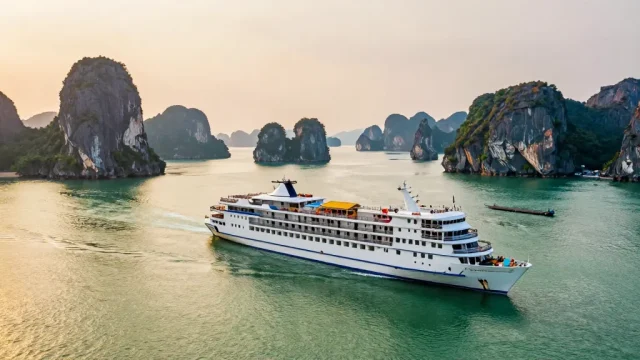
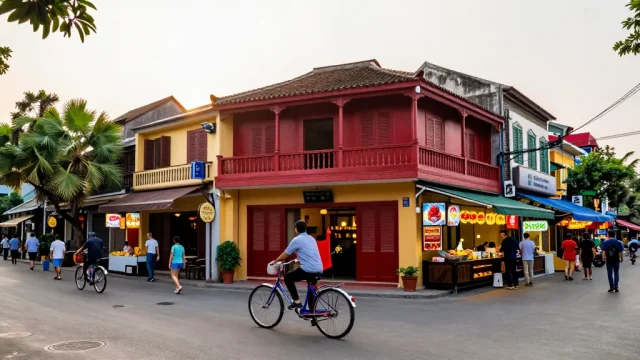
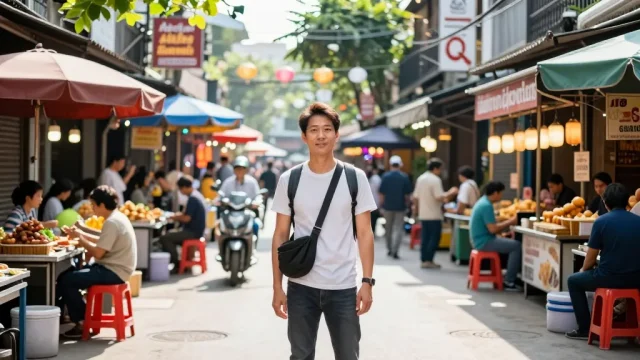
Choosing your travel style and interests will shape your experience in Vietnam. If you're drawn to cultural landmarks, prioritize visits to Hanoi, Hue, and Hoi An, where rich history and architecture await. For food enthusiasts, exploring street markets and local eateries in cities like Ho Chi Minh City and Da Nang offers unforgettable culinary adventures. Nature lovers may prefer destinations such as Ha Long Bay, Phu Quoc Island, or the Central Highlands. Tailoring your itinerary to your preferences ensures a more fulfilling trip.
Research Visa Requirements and Entry Rules
Understanding visa requirements is essential for a smooth and legal trip to Vietnam. Depending on your nationality, you may need to apply for a visa in advance or be eligible for a visa on arrival. Familiarizing yourself with these rules helps avoid delays and ensures you meet all entry conditions.
Vietnam Visa Options for Different Nationalities
Vietnam offers several visa options tailored to different nationalities. Most Western travelers require a visa to enter, which can be obtained through an e-Visa, a visa on arrival, or by applying at a Vietnamese embassy or consulate. The e-Visa is a popular choice for its convenience, allowing applicants to submit their documents online and receive their visa in digital format. However, some nationalities may need to apply for a visa through their local embassy, particularly if they are not eligible for the e-Visa or visa on arrival. It’s important to check the specific requirements for your country to ensure you choose the right option.
What to Bring for Your Vietnam Visa Application
When applying for a Vietnam visa, you must prepare the necessary documents to support your application. This typically includes a valid passport with at least six months of validity, a completed visa application form, and proof of your travel arrangements such as a flight itinerary and hotel booking. Additional documents may be required depending on the visa type, such as a letter of invitation or proof of financial means. Ensuring you have all these items ready can help streamline the process and reduce the risk of rejection. It’s also advisable to apply well in advance to account for any delays in processing.
Plan Your Itinerary and Routes
Planning your itinerary for Vietnam involves selecting the right destinations and figuring out how to move between them efficiently. A well-structured plan ensures you maximize your time and experience the country’s cultural and natural highlights without unnecessary stress.
- Decide on the main destinations you want to visit (e.g., Hanoi, Ho Chi Minh City, Ha Long Bay)
- Consider the best ways to move between locations (flights, buses, trains, or private transfers)
- Incorporate local experiences and cultural highlights into your schedule
How to Choose the Best Cities and Regions to Visit
When choosing cities and regions, consider your interests and how much time you have. Hanoi offers a blend of history and culture, while Ho Chi Minh City is ideal for modern experiences and shopping. For natural beauty, Ha Long Bay is a must-visit, known for its stunning limestone karsts and emerald waters. If you're looking for a mix of history and beaches, Da Nang and the central coast provide a great balance of both.
Transportation Options Between Vietnam Destinations
Transportation between destinations can be done via domestic flights, buses, or trains. Flights are the fastest option, especially for long distances like between Hanoi and Ho Chi Minh City. Buses are more affordable but can be slower, while trains offer a scenic and comfortable journey. Private transfers are ideal for convenience and flexibility, especially if you're visiting remote areas like Ha Long Bay.
Book Accommodation and Activities in Advance
Booking accommodation and activities in advance is key to ensuring a smooth and enjoyable trip to Vietnam. By securing your stays and experiences early, you can access better rates, avoid last-minute stress, and tailor your schedule to your preferences and budget.
Where to Stay in Vietnam: Budget Vs. Luxury Options
Vietnam offers a wide range of accommodation options, from budget-friendly hostels and guesthouses to luxury resorts and boutique hotels. Budget travelers can find affordable stays in cities like Hanoi, Ho Chi Minh City, and Da Nang, often with amenities like free Wi-Fi and basic breakfast. Luxury options, on the other hand, provide comfort, private pools, and exceptional service, typically located in scenic spots or near cultural landmarks. When choosing between the two, consider how much you’re willing to spend and what type of experience you seek.
How to Book Tours and Activities for Your Vietnam Trip
Booking tours and activities in advance allows you to explore Vietnam’s rich culture and natural beauty without the hassle of on-the-spot arrangements. Popular options include food tours in Hanoi, boat trips along the Mekong Delta, and cooking classes in Ho Chi Minh City. Many tour operators offer flexible booking options, including online reservations and customizable itineraries. While some activities may be more expensive, they often provide a deeper insight into local traditions and can enhance your overall travel experience. Always read reviews and compare prices to find the best value for your interests.
Prepare for Your Trip and Stay Safe
Preparing for your trip to Vietnam involves more than just packing your suitcase—it requires thoughtful planning to ensure comfort, convenience, and safety. From essential items to local navigation tools, careful preparation can make your journey smoother and more enjoyable. Here’s how to get ready for your adventure.
- Pack comfortable clothing, travel documents, and a portable charger.
- Learn basic Vietnamese phrases and use local transport apps like Grab.
- Stay safe by avoiding common scams and keeping your belongings secure.
What to Pack for Your Vietnam Travel
When packing for Vietnam, prioritize practical and lightweight clothing suitable for the tropical climate. Include breathable fabrics for day trips and a light jacket for cooler evenings. Don’t forget essentials like sunscreen, insect repellent, and a reusable water bottle. Keep your passport, visa, and travel insurance documents organized and easily accessible. A portable charger is a must to stay connected and avoid the hassle of finding power outlets in remote areas.
Safety Tips for Traveling in Vietnam
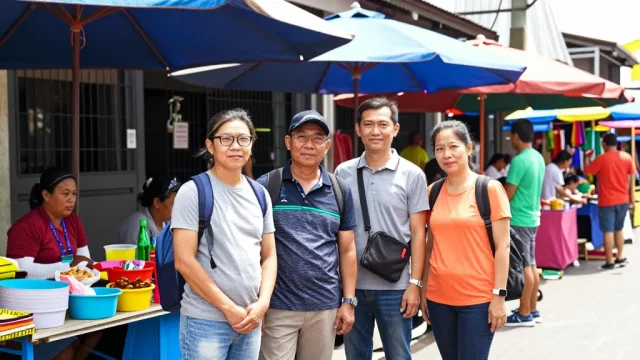
Safety is crucial when traveling in Vietnam. Be mindful of common scams such as overcharging at markets or fake taxi meters, and always confirm prices before agreeing to a fee. Keep your belongings secure by using a money belt or anti-theft bag, especially in crowded areas. Avoid carrying large amounts of cash and use a credit card or digital wallet for transactions. Familiarize yourself with local emergency numbers and consider downloading travel apps that provide real-time safety updates and navigation assistance.
Frequently Asked Questions
What is the best time to visit Vietnam?
The best time to visit Vietnam is from November to April, when the weather is dry and pleasant. However, specific regions may have different conditions, so it's important to research local climates before planning your trip.
How much does a trip to Vietnam cost?
A trip to Vietnam can range from $500 to $1,500 per person depending on travel style and budget. Budget travelers can save by choosing affordable accommodations and local transport, while luxury options will cost significantly more.
Can I get a visa on arrival in Vietnam?
Yes, many nationalities can obtain a visa on arrival in Vietnam, but it's important to check the specific requirements for your country. You'll typically need a visa approval letter and a valid passport with at least six months of validity.
What are the best ways to travel between cities in Vietnam?
The best ways to travel between cities in Vietnam include domestic flights, overnight buses, and private transfers. Each method has its own cost, speed, and comfort level, so choose based on your preferences and budget.
Final Thoughts and Next Steps
Planning a trip to Vietnam requires careful consideration of your goals, budget, and travel style. With the right research and preparation, you can ensure a smooth and enjoyable experience.
Once you've defined your travel goals and gathered all necessary information, it's time to book your trip. Start by securing your visa, then plan your itinerary and accommodations to make the most of your visit.