Vietnam Backpacker Itinerary: Budget 2-Week Route by Sleeper Bus and Train
 vietgo8 min read
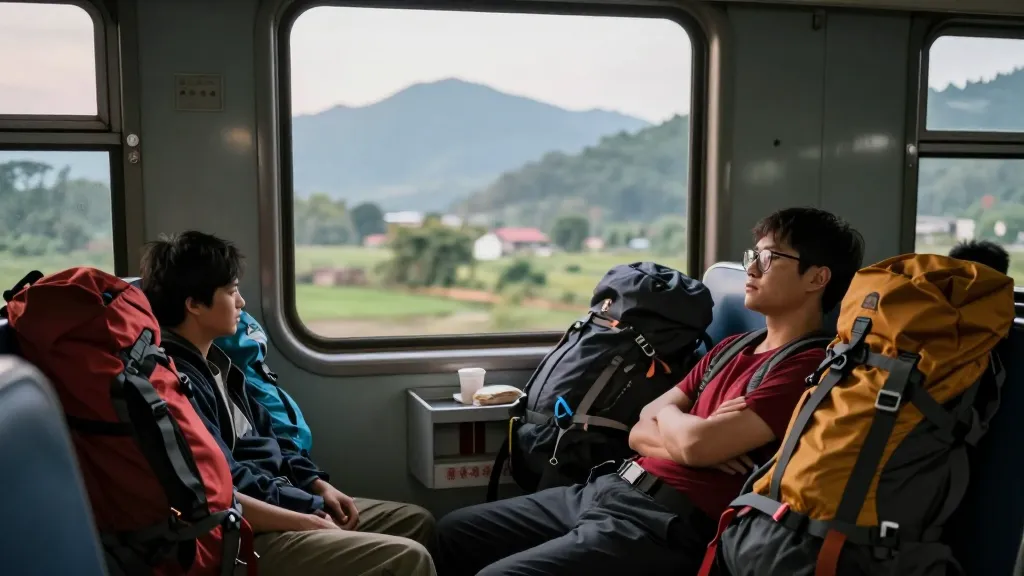
Looking for a Vietnam Backpacker Itinerary: Budget 2-Week Route by Sleeper Bus and Train that balances affordability with unforgettable experiences? This guide is designed for budget-conscious travelers seeking a practical and cost-effective way to explore Vietnam over two weeks. Whether you're a digital nomad or a backpacker, this route offers a mix of cultural immersion, scenic landscapes, and efficient transportation options. By combining sleeper buses and trains, you'll save on accommodation costs while enjoying the country’s natural beauty and historic sites.
The itinerary starts in Hanoi, Vietnam’s bustling capital, before heading north to the mountainous regions of Sapa. From there, you'll travel through the stunning caves of Ninh Binh and coastal towns like Da Nang, all while using overnight sleeper transport to keep your budget low. Each segment of the journey is tailored for travelers who want to experience Vietnam without breaking the bank.
In this article, you’ll find detailed daily plans, tips on booking sleeper buses and trains, and advice on staying safe and respectful while traveling. Whether you're planning your first trip or looking to refine your route, this guide will help you make the most of your 2-week adventure in Vietnam.
Planning Your Budget-Friendly 2-Week Itinerary
Planning a budget-friendly 2-week Vietnam backpacker itinerary requires careful consideration of daily expenses, transportation options, and route efficiency. By prioritizing sleeper buses and trains, you can significantly reduce travel costs while still experiencing key destinations across the country.
Estimating Daily Costs for a Backpacker Budget
Daily expenses for a backpacker in Vietnam typically range from $10 to $15 per day, covering basic accommodation, meals, and local transport. Budget-friendly hostels or guesthouses in major cities like Hanoi and Da Nang often cost between $5 and $10 per night. Meals can be managed with street food and local markets, keeping food costs low at around $3 to $5 per day. Public transport, such as buses and motorbikes, is also affordable, with fares ranging from $0.50 to $2 for short distances.
Choosing Between Sleeper Buses and Trains
Sleeper buses and trains are ideal for budget-conscious travelers due to their affordability and convenience. Sleeper buses are more common for shorter distances and offer a range of comfort levels, while sleeper trains provide a more comfortable and scenic journey for longer distances. Both options allow you to save on accommodation costs by sleeping on the way, making them a practical choice for covering multiple destinations efficiently. When planning your route, consider the best combination of sleeper transport to minimize travel time and maximize your time exploring Vietnam.
Route Overview: North to South with Sleeper Transport
This itinerary takes you from the bustling capital of Hanoi to the mountainous beauty of Sapa and continues southward to the coastal charm of Da Nang, all while using sleeper buses and trains to keep travel costs low and maximize your time on the ground.
Day 1–2: Arriving in Hanoi and Exploring the Capital
Day 1–2 in Hanoi offers a chance to soak in the city’s rich culture and history. Start with a visit to the Hoa Lo Prison Museum, then explore the Old Quarter’s narrow streets lined with lanterns and local markets. Don’t miss the Temple of Literature, dedicated to Confucius, and enjoy a riverside walk along the Hoan Kiem Lake. Overnight stays in Hanoi allow you to acclimate to the pace of life and prepare for the next leg of your journey.
Day 3–4: Traveling to Sapa and Exploring the Mountains
On Day 3, board a sleeper bus or train heading to Sapa, a scenic journey that takes about 10–12 hours. The route passes through lush rice terraces and mountainous landscapes, offering glimpses of rural Vietnam. Upon arrival, spend Day 4 exploring Sapa’s villages, such as Cat Cat and Lao Cai, where you can interact with local ethnic communities and enjoy panoramic views of the surrounding peaks. This part of the trip is ideal for those seeking a mix of adventure and cultural immersion.
Transport Tips: Sleeper Buses and Trains for Budget Travel
Transport in Vietnam offers a mix of sleeper buses and trains, both of which are popular for budget travelers. Understanding the differences between these options and knowing how to book safely can make your journey more comfortable and stress-free.
- Research the types of sleeper buses and trains available, and compare their comfort, price, and route coverage.
- Book tickets in advance to avoid last-minute issues and reduce the risk of scams.
- Pack essentials like a sleeping bag, earplugs, and a compact day bag for overnight travel.
- Consider travel insurance that covers transportation delays or cancellations.
Sleeper Bus Vs. Sleeper Train: What to Expect
Sleeper buses in Vietnam are generally more affordable than trains and offer a range of comfort levels. Most buses have basic seating with a mattress or a foldable bed, though some may be cramped. Sleeper trains, on the other hand, tend to be more comfortable and spacious, often featuring bunk beds and shared bathrooms. However, they are usually more expensive and may be less frequent on certain routes. Both options are viable, but the choice depends on your budget, comfort preferences, and travel schedule.
Booking and Safety Tips for Overnight Travel
Booking tickets for sleeper buses and trains should be done in advance, especially during peak travel seasons. Use trusted platforms or local agencies to avoid scams. Always confirm the departure and arrival times, and check for any changes to the schedule. For safety, travel during the day if possible and avoid traveling alone at night. Keep your belongings secure and be aware of your surroundings. If possible, travel with a group or join a tour to enhance safety and make the journey more enjoyable.
Daily Itinerary: Highlights and Stops Along the Route
This section outlines the key highlights and stops along your 2-week journey, ensuring a balance of sightseeing, travel, and relaxation. Each day is carefully planned to include cultural and natural attractions while allowing for downtime to avoid burnout.
Hanoi to Sapa: A 2-Day Adventure
Day 1 in Hanoi is dedicated to exploring the city's cultural landmarks. Start with a visit to the Hoan Kiem Lake and the Temple of Literature, both iconic symbols of the city. In the afternoon, take a short trip to the Old Quarter to experience the vibrant street life and sample local street food. End the day with a relaxed evening stroll along the Red River.
Ninh Binh to Da Nang: A 3-Day Journey
Day 2 involves a journey to Sapa by sleeper bus, allowing you to rest during the long travel. Upon arrival, spend the morning exploring the local market in Lao Cai before heading to the terraced rice fields of Sapa. In the afternoon, visit one of the ethnic villages, such as Cat Cat or Tuan Chau, to learn about the local culture and enjoy panoramic views of the mountainous landscape. Wrap up the day with a quiet moment in a local homestay or a scenic spot.
Final Tips for a Smooth and Enjoyable Trip
As your 2-week Vietnam backpacker journey comes to a close, it's essential to focus on the final aspects of your trip that will ensure a smooth and memorable experience. From maintaining personal safety to respecting local culture, these final tips will help you make the most of your time in Vietnam while staying prepared for any situation.
Safety and Health Considerations for Backpackers
Prioritize your safety by staying informed about local travel advisories and health guidelines. Vietnam is generally safe for travelers, but it's wise to carry basic first-aid supplies and be cautious with food and water to avoid common traveler illnesses. Always keep a copy of your passport and travel insurance details accessible, and be aware of your surroundings, especially in crowded areas or when using public transport.
Cultural Etiquette and Travel Etiquette in Vietnam
Respect for local customs is key to having a positive experience in Vietnam. Dress modestly when visiting temples and religious sites, and be mindful of local etiquette, such as not using your left hand for handshakes or eating with your left hand. Greeting people with a slight bow or a smile is appreciated, and showing genuine interest in local culture can lead to meaningful interactions. Being respectful and courteous will not only enhance your travel experience but also leave a positive impression on the people you meet along the way.
Frequently Asked Questions
How much does a sleeper bus cost in Vietnam?
Sleeper buses in Vietnam typically cost between $5 to $15 for a one-way trip, depending on the distance and class. Long-distance routes may cost more, but sleeper buses are generally more affordable than trains for budget travelers.
What are the best sleeper train routes in Vietnam?
The best sleeper train routes in Vietnam include Hanoi to Lao Cai and Hanoi to Hue. These routes offer comfortable overnight travel and scenic views, making them ideal for budget backpackers.
Is it safe to travel overnight by sleeper bus?
Traveling overnight by sleeper bus is generally safe, but it's important to choose reputable companies and sit near the front for better security. Always keep your belongings secure and be aware of your surroundings.
How can I save money on transport in Vietnam?
To save money on transport in Vietnam, opt for sleeper buses and trains, book in advance, and consider shared rides. Using local transport like buses and motorbikes can also help reduce travel costs.
Final Thoughts
A budget-friendly 2-week Vietnam backpacker itinerary can be achieved by combining sleeper buses and trains for transport. This route allows you to explore key destinations while keeping costs low. Prioritize safety, plan your transport in advance, and immerse yourself in the local culture for the best experience.
To start your journey, book your sleeper bus or train tickets early and pack essentials for overnight travel. With careful planning and a flexible mindset, your Vietnam backpacking adventure can be both affordable and unforgettable.