7-Day Central Vietnam Itinerary: Da Nang, Hoi An, and Hue Cultural Route
 vietgo8 min read
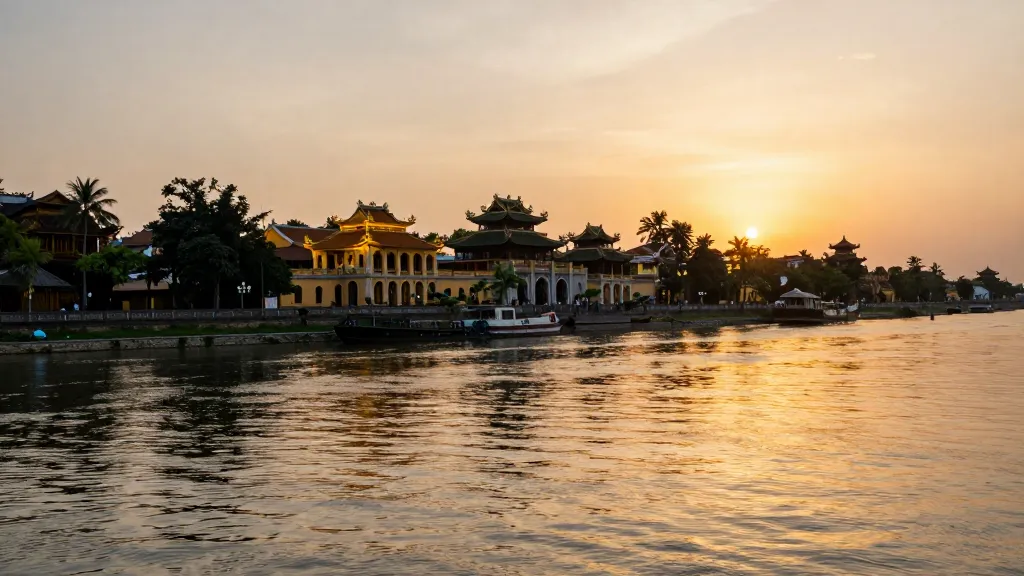
Planning a cultural trip through central Vietnam can be overwhelming, but a well-structured 7-Day Central Vietnam Itinerary: Da Nang, Hoi An, and Hue Cultural Route can transform your journey into a seamless experience. This guide provides a ready-to-use plan that covers the region’s rich history, stunning landscapes, and vibrant heritage. From the coastal charm of Da Nang to the ancient streets of Hoi An and the royal legacy of Hue, you’ll explore the heart of Vietnam’s cultural identity without the stress of planning.
The itinerary balances time in each destination to ensure you experience the highlights without rushing. Each day is packed with meaningful activities, from visiting historical sites to savoring local flavors. Whether you’re a first-time visitor or a returning traveler, this guide offers practical insights to enhance your trip.
Beyond the attractions, this article includes tips on transportation, local cuisine, and essential packing to help you travel with confidence. With a focus on cultural immersion and convenience, the 7-Day Central Vietnam Itinerary: Da Nang, Hoi An, and Hue Cultural Route is your key to unlocking the best of this region.
Planning Your 7-Day Central Vietnam Itinerary
Planning a 7-day Central Vietnam itinerary requires careful consideration of timing, travel logistics, and a balance between cultural immersion and leisure. By aligning your visit with optimal weather conditions and selecting efficient transportation, you can maximize your experience while leaving room for spontaneous discoveries.
Best Time to Visit Central Vietnam
The best time to visit Central Vietnam is between November and April, when the weather is dry and pleasant, ideal for exploring historical sites and enjoying outdoor activities. During this period, temperatures range from 20°C to 30°C, making it comfortable for sightseeing and cultural immersion. Avoid the monsoon season, which typically spans May to October, as heavy rains can disrupt travel plans and limit access to certain attractions.
Transportation Options Between Cities
Travel between Da Nang, Hoi An, and Hue can be efficiently done by bus or train, both of which offer affordable and convenient options. Buses are a common choice, with services running frequently and covering the major cities, though they may be less comfortable for longer journeys. Trains provide a more scenic and relaxed option, particularly for the route between Da Nang and Hue, offering panoramic views of the countryside. Consider booking in advance, especially during peak travel seasons, to secure seats and avoid delays.
Day-by-Day Itinerary for Da Nang, Hoi An, and Hue
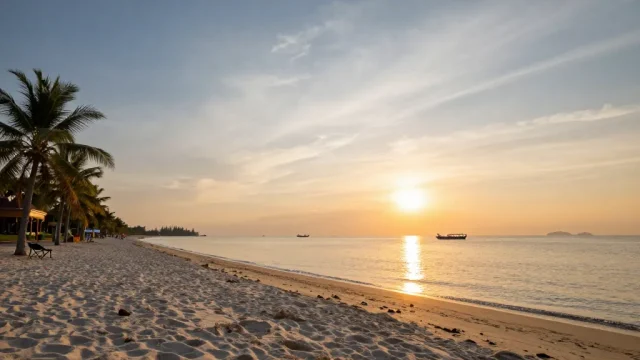
Day 1 begins in Da Nang, where you can start with a visit to the Marble Mountains, a cluster of limestone peaks offering panoramic views and cultural temples. After exploring the area, head to My Khe Beach for relaxation and a sunset view. In the evening, stroll along the beachfront promenade to enjoy local street food and take in the coastal vibe.
- Day 1: Da Nang – Marble Mountains and My Khe Beach
- Day 2: Travel to Hoi An and explore the Old Town
- Day 3: Hoi An markets, street food, and cultural experiences
- Day 4: Train ride to Hue and visit the Imperial City
- Day 5: Explore Hue’s cultural landmarks and historical sites
- Day 6: Continue exploring Hue’s imperial heritage and enjoy local cuisine
- Day 7: Return to Da Nang for final activities and departure
On Day 2, travel to Hoi An by bus or private transfer, which takes around 1.5 to 2 hours. Upon arrival, immerse yourself in the Old Town’s well-preserved architecture and vibrant lantern-lit streets. Don’t miss the Japanese Covered Bridge and the bustling evening markets, where you can sample traditional dishes and crafts.
Day 3 is dedicated to Hoi An’s cultural and culinary experiences. Visit the local markets in the morning to explore fresh produce and handicrafts, then enjoy a cooking class or a cyclo ride through the town. In the afternoon, take a boat tour to the nearby Cua Dai Beach or visit the Tran Phu Street for more street food and shopping.
Day 4 involves a scenic train ride from Hoi An to Hue, covering approximately 2 hours. The journey offers stunning landscapes and a chance to relax. Upon arrival, take a short taxi or motorbike ride to the Hue Imperial City, a UNESCO World Heritage Site that showcases the region’s royal history.
Days 5 and 6 are focused on exploring Hue’s cultural landmarks. Visit the Imperial City, the Royal Tombs, and the Tu Duc Emperor’s Tomb to delve into the city’s imperial past. In the evening, enjoy a traditional Hue meal at a local restaurant. On the final day, return to Da Nang for a last-minute shopping trip or a beachside unwind before departure.
Cultural Highlights and Must-See Attractions
Central Vietnam is rich in cultural landmarks that offer a deep dive into the region’s history, architecture, and traditions. From the grandeur of the Hue Imperial City to the well-preserved streets of Hoi An, each destination provides unique insights into Vietnam’s past and present.
Hue Imperial City and Royal Tombs
The Hue Imperial City is a UNESCO World Heritage Site and the heart of Vietnam’s royal history. This vast complex includes the Forbidden Purple City, the Imperial City walls, and the Royal Tombs, which showcase the power and sophistication of the Nguyen Dynasty. Walking through its meticulously restored architecture, visitors can imagine the grandeur of imperial life, while the surrounding Royal Tombs offer a solemn reflection on the dynasty’s legacy.
Hoi An Ancient Town and Cultural Heritage
Hoi An Ancient Town is a living museum of cultural fusion, where centuries-old architecture meets vibrant street life. The town’s well-preserved merchant houses, temples, and lantern-lit streets reflect its role as a trading hub during the 15th to 19th centuries. The mix of Chinese, Japanese, and Vietnamese influences is evident in the town’s unique blend of styles, making it a must-see for anyone interested in historical and cultural heritage.
Local Cuisine and Food Stops
Central Vietnam offers a rich tapestry of flavors that should not be missed on your cultural journey. From the fresh seafood markets of Da Nang to the bustling streets of Hoi An and the royal palaces of Hue, each city has its own culinary identity. Exploring local food stops is an essential part of the experience, allowing you to savor authentic dishes while avoiding overpriced tourist traps.
Best Food Markets in Hoi An
Hoi An is renowned for its vibrant food scene, with the night market being a must-visit for fresh seafood and street food. Stalls overflow with grilled squid, crispy prawns, and fish sauce-laced dishes that reflect the region's maritime heritage. For a more authentic experience, head to local markets like Pho Quang or Tran Phu, where vendors offer daily catches and traditional cooking methods. Avoid the overpriced stands near tourist attractions and opt for family-run eateries that serve the true flavors of the region.
Traditional Dishes in Hue
In Hue, the culinary landscape is shaped by its royal history and local ingredients. Must-try dishes include Cao Lao, a sweet and savory pork dish, and Banh Mi, a French-influenced sandwich filled with crispy pork, pickled vegetables, and fresh herbs. Traditional restaurants like Banh Mi Pho Hue or Hue Restaurant offer a taste of the region's imperial past through their carefully crafted menus. Pair your meal with a cup of local coffee, known for its strong flavor and unique preparation methods, to complete the Hue dining experience.
Practical Tips for a Smooth Journey
A well-planned journey through Central Vietnam ensures a smooth and enjoyable experience. By following practical tips, travelers can navigate the region with ease, making the most of their time while avoiding common pitfalls.
Transportation Booking Advice
Booking transportation in advance is crucial to avoid delays and secure comfortable seats. Long-distance buses and private transfers between Da Nang, Hoi An, and Hue often sell out during peak travel seasons, so it's best to reserve tickets at least a day ahead. For domestic flights, check with airlines for early bird deals and consider booking through local travel agencies for personalized assistance. Always confirm departure times and routes to prevent last-minute confusion.
Essential Packing List for Central Vietnam
Packing light and bringing comfortable walking shoes will make exploring Central Vietnam more enjoyable. The region’s historical sites and markets require a lot of walking, so breathable, sturdy footwear is a must. Include a light jacket for cooler mornings in Hue and evenings in Hoi An, along with a reusable water bottle to stay hydrated. While credit cards are widely accepted in hotels and restaurants, carrying some local currency is essential for small purchases, street food, and local markets where card payments may not be an option.
Frequently Asked Questions
Is it possible to visit all three cities in 7 days?
Yes, it is possible to visit all three cities in 7 days with a well-structured itinerary. A balanced schedule allows for 2-3 days in Da Nang, 2 days in Hoi An, and 2-3 days in Hue. This ensures enough time to explore each city's highlights without feeling rushed.
What are the best ways to travel between Da Nang, Hoi An, and Hue?
The best ways to travel between these cities are by bus, train, or private car. Buses are the most affordable, trains offer a scenic and comfortable option, and private cars provide flexibility and convenience for travelers seeking a more personalized experience.
How much should I budget for food and accommodation?
For food, budget around $10–$20 per meal, with street food being the most affordable option. Accommodation varies, but mid-range hotels or guesthouses in each city typically range from $30–$60 per night, with budget options available at lower prices.
Are there any cultural etiquette tips I should know?
Respect local customs by dressing modestly in temples and religious sites, avoiding public displays of affection, and using both hands when giving or receiving items. Greetings with a slight bow or handshake are appropriate, and it is polite to say 'thank you' when receiving services.
Final Thoughts
A 7-day itinerary of Da Nang, Hoi An, and Hue offers a rich cultural and scenic experience. With careful planning, you can enjoy the beaches, ancient towns, and imperial heritage of Central Vietnam without feeling rushed. This route is ideal for travelers seeking a mix of relaxation and history.
To make the most of your trip, book transportation in advance, pack light, and be open to local experiences. With this guide, you're ready to embark on a memorable journey through Central Vietnam. Start planning your adventure today.