Hanoi vs Ho Chi Minh City: Key Differences in Culture, Food, and Vibe
 vietgo8 min read
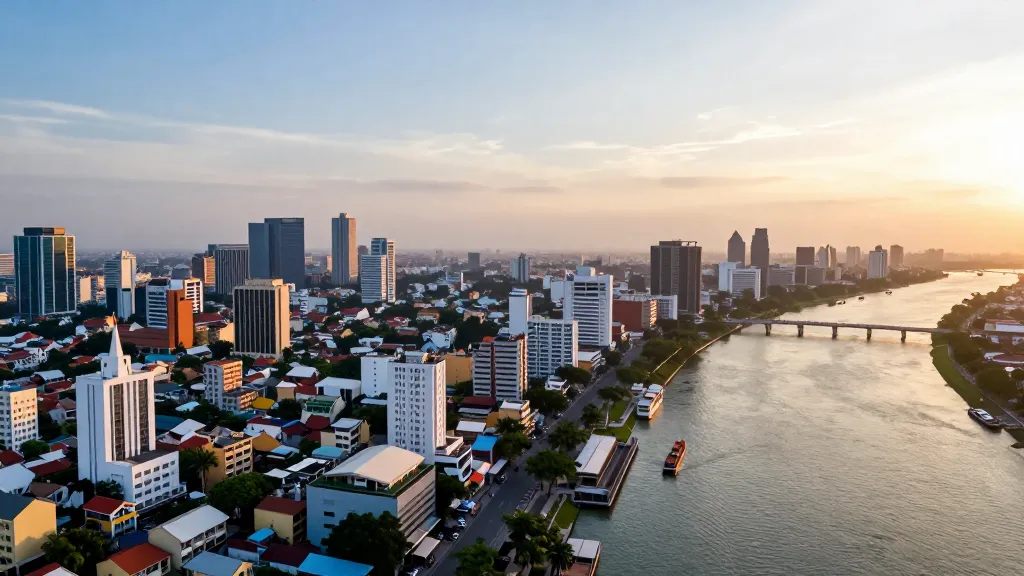
Choosing between Hanoi and Ho Chi Minh City can be a tough decision for travelers seeking to experience the best of Vietnam. Both cities offer unique cultural and culinary experiences, but their distinct vibes and histories set them apart. This article explores the key differences in culture, food, and atmosphere between Hanoi vs Ho Chi Minh City: Key Differences in Culture, Food, and Vibe, helping you decide which destination aligns with your travel goals. Whether you're drawn to the imperial heritage of Hanoi or the energetic pulse of Ho Chi Minh City, understanding these contrasts can shape your itinerary and enhance your journey through Vietnam.
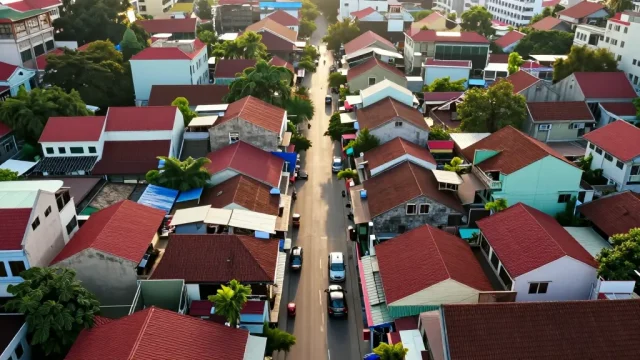
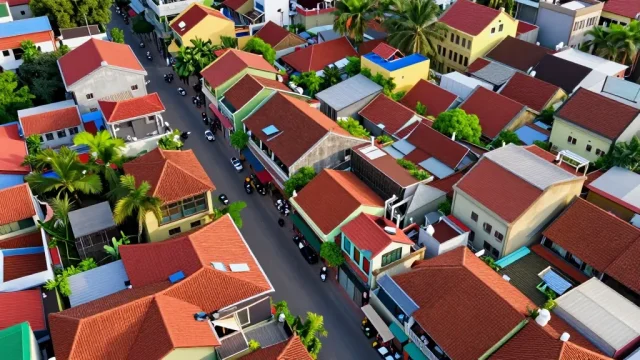
Hanoi, the northern capital, is steeped in history and tradition, reflecting Vietnam’s imperial past. Its narrow streets, ancient temples, and colonial architecture offer a glimpse into a slower-paced lifestyle. In contrast, Ho Chi Minh City, once known as Saigon, is a bustling metropolis that embodies Vietnam’s modern ambitions and economic growth. The city’s vibrant street life and dynamic energy make it a hub for innovation and cultural fusion.
Beyond the cultural and historical distinctions, the food and urban vibe of each city also differ significantly. Hanoi is renowned for its street food and traditional dishes, while Ho Chi Minh City offers a diverse range of night markets and modern dining options. This article provides a practical guide to help international travelers compare these two iconic Vietnamese cities and choose the one that best suits their interests and travel style.
Cultural Identity and History
Hanoi and Ho Chi Minh City represent two distinct facets of Vietnam’s cultural and historical landscape. While both cities are major tourist destinations, their unique identities stem from different historical trajectories and urban development. Hanoi, with its imperial past and preserved traditions, offers a more tranquil and historically rich experience, whereas Ho Chi Minh City embodies modernity and rapid transformation shaped by colonial and post-war influences.
Hanoi: A City of Tradition and Imperial Legacy
Hanoi, the northern capital, is steeped in imperial history, having served as the capital of the Vietnamese Empire for centuries. Its architecture, from the Temple of Literature to the Old Quarter, reflects a deep connection to tradition and craftsmanship. The city’s slower pace and emphasis on cultural preservation create an atmosphere where history feels alive, influencing everything from daily routines to local festivals and art.
Ho Chi Minh City: The Heart of Modern Vietnam
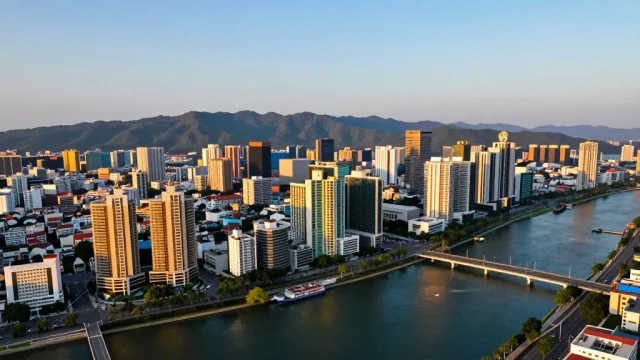
In contrast, Ho Chi Minh City, formerly known as Saigon, is a vibrant urban center shaped by French colonial rule and the complexities of Vietnam’s modern history. Its skyline, bustling streets, and dynamic economy reflect a city in constant evolution. The influence of colonial architecture and post-war resilience is evident in its cultural landscape, where innovation and adaptability define both the local lifestyle and the tourist experience.
Culinary Experiences
Culinary experiences in Hanoi and Ho Chi Minh City reflect the distinct personalities of these two cities. Hanoi offers a more refined, traditional approach to Vietnamese cuisine, while Ho Chi Minh City thrives on its vibrant street food culture and diverse food options.
Hanoi's Street Food and Signature Dishes
Hanoi is renowned for its traditional and elegant culinary offerings. Signature dishes like pho, a fragrant noodle soup with broth, herbs, and meat, and bun cha, grilled pork with rice noodles, showcase the city's deep-rooted food heritage. These dishes are often prepared with meticulous care and served in cozy, family-run eateries or historic restaurants that emphasize authenticity and craftsmanship.
Ho Chi Minh City's Night Markets and Street Eats
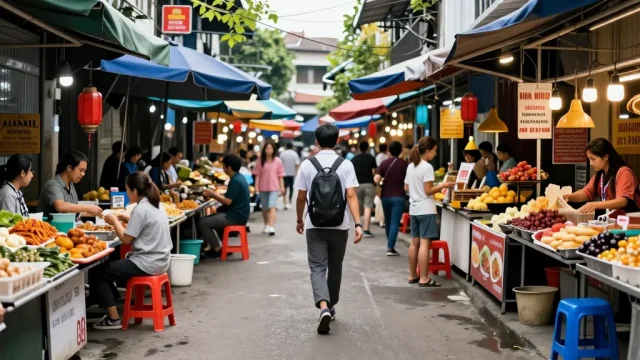
Ho Chi Minh City, on the other hand, is a haven for street food lovers. Its night markets and bustling street corners offer an explosion of flavors, from banh mi sandwiches to grilled pork skewers and sweet coconut pancakes. The city's food scene is characterized by its diversity, with influences from neighboring regions and a constant influx of new trends and international flavors. While the atmosphere is lively and fast-paced, the emphasis on convenience and variety makes it a favorite for adventurous eaters.
Urban Vibe and Pace of Life
The urban vibe and pace of life in Hanoi and Ho Chi Minh City reflect their distinct identities, shaping everything from daily routines to social interactions. Hanoi offers a slower, more contemplative atmosphere, while Ho Chi Minh City pulses with energy and constant change.
Hanoi: A Calm and Reflective City
Hanoi's rhythm is defined by its relaxed tempo and emphasis on cultural preservation. The city's narrow streets and tree-lined boulevards encourage leisurely strolls, and the pace of life allows for deeper engagement with its historical sites and local markets. Residents often prioritize community and family, which contributes to a more reflective and unhurried environment. This calmness is also evident in the city's nightlife, where traditional tea houses and quiet evenings are the norm rather than the exception.
Ho Chi Minh City: A Fast-Paced Urban Hub
In contrast, Ho Chi Minh City is a dynamic, fast-paced urban hub where innovation and growth are constant. The city's energy is palpable, with its skyscrapers, bustling streets, and vibrant markets reflecting a society in motion. Shopping, dining, and socializing here often involve quick decisions and a willingness to embrace the latest trends. Nightlife in the city is lively and diverse, offering everything from rooftop bars to electronic music venues, catering to those who thrive in a constantly evolving environment.
Transportation and Accessibility
Transportation and accessibility in Hanoi and Ho Chi Minh City reflect the distinct character of each city. While both offer a range of options for getting around, the efficiency, convenience, and cultural context of travel differ significantly.
Getting Around Hanoi: A Guide to Local Transport
Hanoi's transport system is a blend of traditional and modern elements. Motorbike taxis, known as 'xe om', are the most common and flexible way to navigate the city, though they can be chaotic and crowded. Buses and cyclo rides provide a slower, more scenic alternative, while the newly opened metro system offers a faster, cleaner option for longer commutes. Despite its charm, Hanoi's traffic can make planning a challenge, especially during peak hours.
Navigating Ho Chi Minh City: Options and Tips
Ho Chi Minh City boasts a more structured and extensive public transport network. Buses, ferries, and taxis are widely available, with ferries providing a cost-effective way to travel across the Saigon River. The city also has an expanding metro system, which is more reliable and less affected by traffic. However, navigating the city can still require careful planning due to the density of traffic and the need to manage multiple modes of transport efficiently.
Choosing Between Hanoi and Ho Chi Minh City
When deciding between Hanoi and Ho Chi Minh City, consider what kind of traveler you are. Hanoi is ideal for those seeking cultural immersion and historical exploration, offering a rich tapestry of imperial heritage, serene temples, and a slower pace of life. The city's well-preserved architecture and deep-rooted traditions provide a unique opportunity to connect with Vietnam's past. In contrast, Ho Chi Minh City is better suited for travelers looking for a vibrant, modern city experience, with its dynamic energy, cutting-edge infrastructure, and endless entertainment options. The city's rapid development and cosmopolitan atmosphere make it a hub for innovation and social interaction.
Food preferences can also influence the choice between the two cities. Hanoi is renowned for its street food culture, where visitors can savor authentic dishes like pho and bun cha in bustling markets and family-run eateries. Meanwhile, Ho Chi Minh City offers a more diverse culinary scene, with night markets and international influences shaping its food landscape. For those who enjoy a fast-paced environment with a variety of dining choices, the latter may be more appealing.
Ultimately, personal preferences in pace, activities, and lifestyle will play a key role in the decision. Hanoi appeals to those who value tranquility, history, and a deeper connection to local culture, while Ho Chi Minh City attracts those who thrive in a fast-paced, modern setting. Both cities provide distinct experiences, and the choice ultimately depends on what kind of journey you're looking to embark on. Whether you're drawn to the charm of a historical capital or the excitement of a contemporary metropolis, Vietnam offers something to suit every traveler's taste.
Frequently Asked Questions
What are the main differences between Hanoi and Ho Chi Minh City?
Hanoi is known for its traditional culture and serene pace, while Ho Chi Minh City is a modern, fast-paced urban center. Hanoi offers a more historical and relaxed atmosphere, whereas Ho Chi Minh City is vibrant and dynamic, with a focus on business and innovation.
Which city is better for trying traditional Vietnamese food?
Hanoi is the better choice for traditional Vietnamese food, with a rich culinary heritage and iconic dishes like pho and bun cha. Ho Chi Minh City also has a diverse food scene, but it leans more towards modern and fusion cuisine.
How do the vibes of Hanoi and Ho Chi Minh City compare?
Hanoi has a calm, reflective vibe with a strong sense of history and community. Ho Chi Minh City is energetic and fast-paced, reflecting Vietnam's modern and entrepreneurial spirit.
Is one city easier to navigate than the other?
Ho Chi Minh City is generally easier to navigate due to its well-developed infrastructure and reliable transport options. Hanoi, while more challenging, offers a unique experience with its local transport and slower pace.
Final Thoughts
Choosing between Hanoi and Ho Chi Minh City depends on your travel priorities. If you seek history, culture, and a peaceful atmosphere, Hanoi is ideal. For a modern, fast-paced experience with business opportunities, Ho Chi Minh City is the way to go. Consider your interests and travel goals when making your decision.
Plan your trip by researching which city aligns with your preferences. Whether you're drawn to Hanoi's traditional charm or Ho Chi Minh City's urban energy, both offer unique experiences that reflect Vietnam's rich culture and diversity.