Cultural Etiquette and Temple Dress Code Rules Every Visitor Should Know
 vietgo7 min read
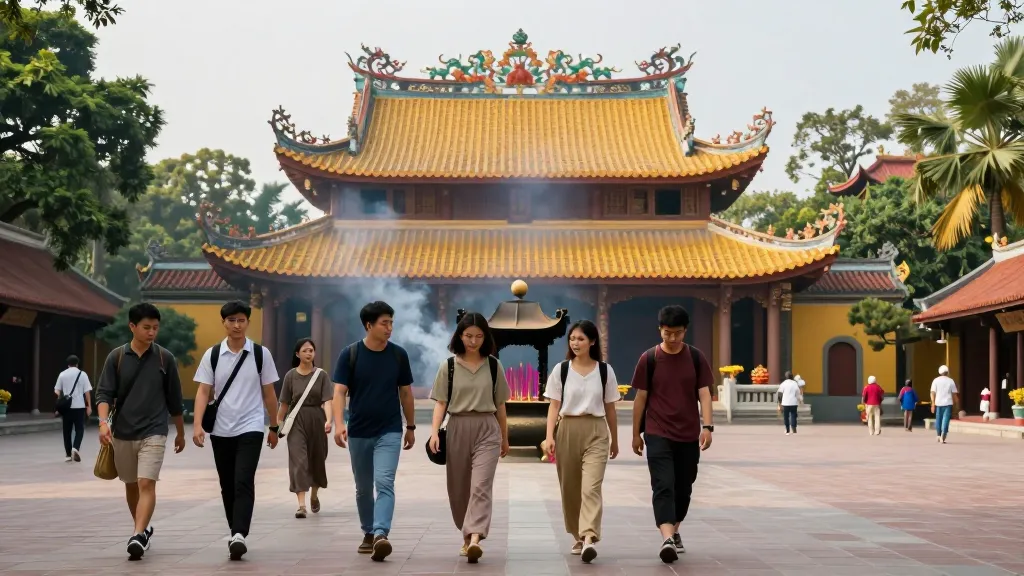
When visiting Vietnam, understanding Cultural Etiquette and Temple Dress Code Rules Every Visitor Should Know is essential to show respect and avoid unintentional offense. Vietnam’s rich cultural heritage and deep-rooted traditions mean that visitors who are mindful of local customs can greatly enhance their travel experience. From religious sites to everyday interactions, adhering to basic etiquette and dress codes is a sign of cultural sensitivity and respect.
This article provides practical guidance on how to navigate Vietnam’s customs, focusing on temple etiquette and appropriate attire. Whether you’re planning to visit a historic pagoda or simply engage with local communities, knowing what to wear and how to behave is crucial. We’ll cover everything from dress codes for religious sites to social norms that visitors should be aware of.
By following these tips, travelers can ensure they respect local traditions and make the most of their time in Vietnam. From avoiding taboos to understanding dining etiquette, this guide offers clear, actionable advice to help you blend in and travel with confidence.
Understanding Vietnam Cultural Etiquette
Vietnam's cultural etiquette is shaped by a blend of Confucian values, Buddhist traditions, and modern social norms. Understanding these customs is essential for visitors to show respect and avoid unintentional offense. Key aspects include honoring elders, adhering to religious practices, and observing social behavior in public spaces.
Respect for Elders and Religious Practices
Respect for elders is deeply ingrained in Vietnamese society, reflecting the influence of Confucian philosophy. It is customary to address elders with polite titles and use formal language when speaking to them. Similarly, religious traditions play a significant role in daily life, particularly in Buddhist and Catholic communities. Visitors should show reverence during religious ceremonies and avoid disruptive behavior in places of worship.
Social Behavior and Public Etiquette
Public displays of affection, such as holding hands or kissing, are generally frowned upon in Vietnam. Maintaining personal space is important, especially in crowded areas like markets and public transport. Loud or boisterous behavior is also discouraged, as it can be seen as disrespectful. Visitors should be mindful of their tone and volume to blend in with local customs.
Temple Dress Code in Vietnam
When visiting temples in Vietnam, adhering to the dress code is essential to show respect for the sacred space and its traditions. Religious sites are considered places of spiritual significance, and visitors are expected to dress modestly and appropriately. Understanding the specific attire required can help visitors avoid cultural misunderstandings and ensure a respectful experience.
- Dress modestly by covering shoulders and knees to maintain a respectful appearance.
- Traditional clothing such as the ao dai is preferred but not mandatory for temple visits.
- Always remove your shoes before entering temple premises as a sign of reverence.
- Avoid wearing revealing or casual attire, as it may be considered disrespectful in religious settings.
Dress Code for Religious Sites
The dress code for religious sites in Vietnam emphasizes modesty and respect. Visitors should ensure that their clothing covers the shoulders and knees, as these areas are considered immodest in spiritual spaces. While traditional Vietnamese attire like the ao dai is often favored for its cultural significance, modern modest clothing is also acceptable. The key is to present oneself in a way that reflects reverence for the sacred environment.
What to Wear at Temples
When choosing what to wear at temples, opt for lightweight, loose-fitting garments that allow for ease of movement while maintaining a respectful appearance. Light-colored clothing is often preferred, as it symbolizes purity and humility. It is also advisable to avoid bright or flashy attire, which may distract from the solemnity of the occasion. Bringing a shawl or scarf can be helpful for covering shoulders if needed, especially during colder months.
Key Cultural Norms to Observe in Vietnam
Vietnam's cultural norms are deeply rooted in tradition, and understanding them can help visitors show respect and avoid unintentional offenses. From gestures to dining etiquette, there are several customs that should be observed to blend in and maintain positive interactions with locals.
Taboos and Social Customs
One of the most important taboos in Vietnam is the use of the left hand. The left hand is traditionally associated with unclean activities, so it is considered disrespectful to use it for gestures, handing over items, or even eating. Always use your right hand for such actions to show cultural sensitivity. Additionally, pointing directly at someone with your finger is considered impolite; instead, use your hand to indicate people or objects. These gestures reflect a broader respect for social hierarchy and personal space in Vietnamese culture.
Table Manners and Dining Etiquette
Vietnamese dining etiquette is equally important to observe. When eating, avoid using chopsticks vertically in a bowl, as this is a symbol of funerals and can be seen as bad luck. Instead, place your chopsticks on the table or use them horizontally. It is also customary to wait for the eldest person at the table to start eating before you begin. Additionally, do not leave your chopsticks sticking up in your bowl, as this is another funeral-related symbol. These practices highlight the importance of harmony and respect in communal dining experiences.
Practical Tips for Respecting Local Customs
Respecting local customs in Vietnam is essential for a positive and meaningful travel experience. By following practical guidelines, visitors can avoid unintentional offenses and show appreciation for the country's rich culture.
- Pack a shawl or scarf to cover shoulders if visiting temples.
- Learn basic Vietnamese phrases to show respect and engage with locals.
- Be aware of local festivals and religious events to avoid unintentional offense.
- Follow local guidelines when visiting historical and cultural sites.
Dressing for Respect
Dressing for respect is a key aspect of cultural etiquette in Vietnam, particularly when visiting temples or religious sites. Many temples require visitors to cover their shoulders and knees, so packing a shawl or scarf can help ensure you comply with these rules. Even in casual settings, modest clothing is appreciated, especially in rural areas where traditional values remain strong.
Language and Communication Tips
Learning basic Vietnamese phrases not only shows respect but also enhances your interactions with locals. Greetings like 'Chào bạn' (Hello) and 'Cảm ơn' (Thank you) can make a significant difference in how you're perceived. Being polite and patient in communication helps build rapport and demonstrates an effort to understand and respect local customs.
Common Misunderstandings and How to Avoid Them
Common misunderstandings can lead to unintentional offense when visiting Vietnam. Being aware of these cultural missteps and adjusting your behavior accordingly can help ensure a respectful and positive experience.
Cultural Missteps to Avoid
Avoid touching someone’s head, as it is considered sacred in some cultures. This gesture is often associated with spiritual beliefs and is seen as a sign of respect for elders and religious practices. Similarly, using chopsticks to point at food or others is considered impolite and can be seen as rude. These actions may unintentionally cause offense, so it is best to observe local customs and avoid such behaviors.
Adjusting Behavior for Local Holidays
Do not enter a home without an invitation, as it is a private space and a sign of trust. Homes are considered personal and sacred, so it is important to respect boundaries and wait for an invitation before entering. Be aware of local holidays and adjust your behavior accordingly, as certain days may have specific customs or rituals that visitors should observe. Understanding and respecting these traditions can help avoid misunderstandings and show appreciation for local culture.
Frequently Asked Questions
Is it necessary to wear specific clothing when visiting temples in Vietnam?
Yes, it is necessary to wear specific clothing when visiting temples in Vietnam. Visitors are expected to dress modestly, covering shoulders and knees, to show respect for religious practices. Loose-fitting clothes and hats are recommended to avoid discomfort and maintain cultural sensitivity.
What are the most common cultural taboos for tourists in Vietnam?
Common cultural taboos for tourists in Vietnam include not touching someone's head, which is considered sacred, and avoiding public displays of affection. It is also important to refrain from using chopsticks to point at people and to avoid eating with your left hand, as it is considered unclean.
Can I wear shorts or skirts when visiting temples in Vietnam?
Wearing shorts or skirts when visiting temples in Vietnam is generally discouraged due to the need for modesty. Visitors should opt for long pants or skirts that cover the knees to show respect for religious traditions and local customs.
What should I do if I accidentally break a cultural norm in Vietnam?
If you accidentally break a cultural norm in Vietnam, it is best to apologize sincerely and remain respectful. Most people are understanding, and a simple apology can help maintain good rapport. Avoid over-explaining or making excuses, as this may cause further embarrassment.
Final Thoughts
Respecting cultural etiquette and temple dress codes is essential for a positive experience in Vietnam. By dressing modestly, being mindful of local customs, and showing respect for religious practices, visitors can engage more meaningfully with the culture.
Before visiting temples or interacting with locals, take a moment to research and prepare. Small gestures of respect go a long way in building trust and ensuring a pleasant journey through Vietnam’s rich cultural landscape.