
Ha Giang Loop Complete Guide: Scenic Mountain Passes and Route Overview
 vietgo7 min read
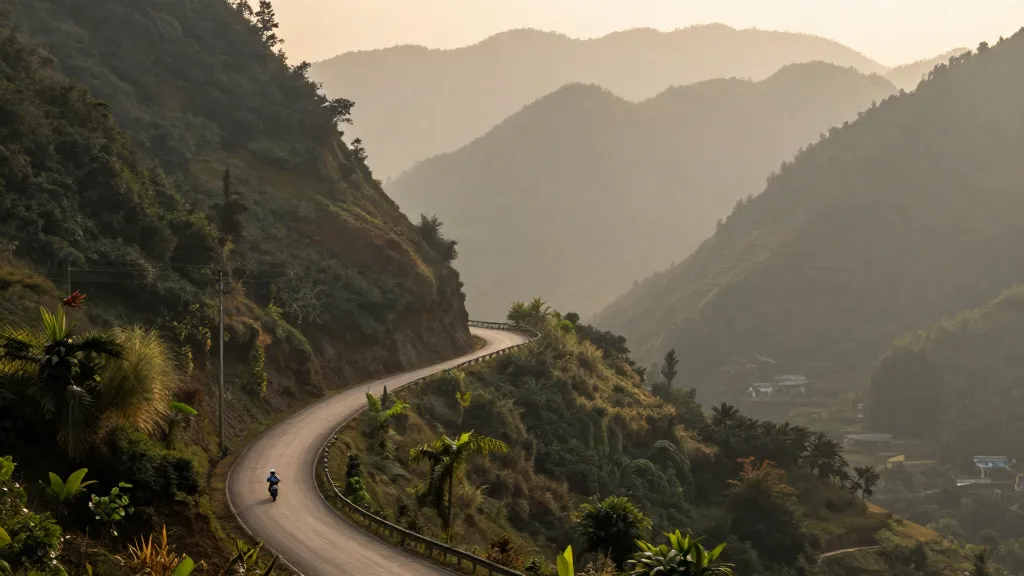
For international travelers craving a multi-day motorbike adventure in northern Vietnam, the Ha Giang Loop Complete Guide: Scenic Mountain Passes and Route Overview offers a breathtaking escape into some of the country’s most stunning landscapes. This route is renowned for its dramatic mountain passes, lush rice terraces, and remote villages, making it a favorite among adventure seekers. Whether you're a seasoned motorbike rider or a first-time traveler, the Ha Giang Loop promises an unforgettable journey through some of Vietnam’s most rugged and beautiful terrain.
The Ha Giang Loop is more than just a scenic route—it’s a gateway to experiencing the heart of northern Vietnam’s natural beauty. Stretching across several mountainous regions, the route is designed to be traversed on a motorbike, offering a mix of challenging climbs, serene valleys, and cultural encounters with local communities. This guide provides a detailed breakdown of the route, including key stops, driving tips, and the best times to visit, ensuring a smooth and enjoyable trip.
With its blend of adventure, natural beauty, and cultural immersion, the Ha Giang Loop is a must-visit for any traveler seeking a unique road trip experience. This article covers everything you need to know to plan your journey, from practical travel tips to insights on navigating the scenic mountain passes. Whether you're looking for a solo adventure or a group getaway, the Ha Giang Loop Complete Guide: Scenic Mountain Passes and Route Overview will help you make the most of your time in this stunning region.
Introduction to the Ha Giang Loop
The Ha Giang Loop is a scenic motorbike route in northern Vietnam, renowned for its mountain passes and breathtaking landscapes. This multi-day adventure offers travelers a chance to explore remote and culturally rich regions while immersing themselves in natural beauty, historical sites, and local traditions.
What Makes the Ha Giang Loop Unique
What Makes the Ha Giang Loop Unique lies in its combination of dramatic mountain scenery and well-preserved cultural heritage. The route takes riders through some of Vietnam’s most remote areas, where towering limestone peaks, dense forests, and winding rivers create a stunning backdrop. Along the way, travelers encounter ancient villages, traditional stilt houses, and local markets that offer a glimpse into the daily lives of the ethnic minority communities. The loop is also famous for its challenging yet rewarding mountain passes, which provide some of the most exhilarating motorcycle experiences in the country.
Why Travelers Choose This Route
Why Travelers Choose This Route is clear: it offers a unique blend of adventure, culture, and natural beauty. The Ha Giang Loop is a favorite among motorbike enthusiasts seeking a multi-day journey that balances scenic highlights with meaningful cultural interactions. Beyond the landscapes, the route provides opportunities to engage with local communities, learn about traditional crafts, and experience the hospitality of Vietnam’s ethnic minorities. For those looking to escape the crowded tourist spots of major cities, the Ha Giang Loop delivers an authentic and unforgettable travel experience, making it a must-visit destination for intrepid travelers.
Route Overview and Key Stops
The Ha Giang Loop is a scenic motorbike route that stretches over 400 kilometers, offering a mix of dramatic mountain passes, lush landscapes, and cultural encounters. Travelers often spend 3 to 5 days completing the loop, allowing time to explore the highlights at a relaxed pace. The route is well-suited for those who enjoy the thrill of mountain roads and the beauty of Vietnam’s northern highlands.
Starting Point and Route Details
The loop typically begins in Ha Giang, a historic town known for its well-preserved architecture and vibrant markets. From there, the route winds through remote villages and dense forests, eventually leading to the Ma Pi Leng Pass. The journey continues through the Dong Van Karst Plateau, where towering limestone formations create a surreal landscape. Travelers should plan for rest days to fully appreciate the natural beauty and local culture along the way.
Notable Stops Along the Loop
Key stops on the Ha Giang Loop include the Ma Pi Leng Pass, one of the most iconic mountain passes in Vietnam. This pass offers breathtaking views of the surrounding valleys and is a must-visit for motorbike enthusiasts. Another highlight is Duc Tho Pass, known for its dramatic drop and panoramic vistas. The historic town of Ha Giang itself is worth exploring, with its old town area and local handicrafts. These stops provide a perfect balance of adventure and cultural immersion, making the Ha Giang Loop a memorable experience for international travelers.
Scenic Mountain Passes and Driving Tips
The Ha Giang Loop is renowned for its breathtaking mountain passes, with Ma Pi Leng Pass standing out as the most iconic and challenging stretch of the route. This section explores the highlights of the scenic mountain passes and essential driving tips to ensure a safe and enjoyable journey.
Ma Pi Leng Pass: The Highlight of the Loop
Ma Pi Leng Pass, often referred to as the 'Dragon's Backbone,' is the crown jewel of the Ha Giang Loop. Stretching over 13 kilometers, the pass features hairpin turns, narrow roads, and breathtaking views of the surrounding mountains and rice terraces. Riders should be prepared for the physical and mental demands of this section, as the pass is both thrilling and challenging. The panoramic vistas from the top are worth the effort, offering a unique perspective of the region's natural beauty.
Driving Safety and Road Conditions
Driving conditions on the Ha Giang Loop can be unpredictable due to narrow roads, sharp bends, and frequent weather changes. It is essential to check the weather forecast before embarking on the journey and to ensure your motorbike is in optimal condition. Rain can make the roads slippery and reduce visibility, so extra caution is required. Travelers should also consider the time of day, as some sections may be more hazardous during certain hours. Proper preparation and awareness of the road conditions can significantly enhance the safety and enjoyment of the trip.
Best Time to Visit the Ha Giang Loop
Timing your visit to the Ha Giang Loop is crucial for a safe and enjoyable motorbike adventure. The region's weather and road conditions can significantly impact your journey, making it essential to plan around the best time to travel.
Weather Patterns and Seasonal Considerations
The optimal time to visit the Ha Giang Loop is from November to April, when the weather is generally dry and the mountain passes are more accessible. During these months, the skies are clear, and the roads are less prone to landslides or flooding, allowing for a smoother and more scenic ride. However, weather in this mountainous region can still be unpredictable, so it's wise to check local forecasts before setting off.
How to Prepare for Changing Weather
Avoid traveling between May and October, as this is the monsoon season in northern Vietnam. Heavy rainfall during these months can lead to flooded roads, blocked trails, and an increased risk of landslides, which can disrupt your journey and pose safety hazards. Even if you manage to navigate the roads, the weather can quickly turn against you, making travel uncomfortable and potentially dangerous. Always be prepared for sudden changes in weather by carrying appropriate gear and staying informed about local conditions.
Practical Travel Tips for the Ha Giang Loop
Practical considerations are essential for a smooth and enjoyable Ha Giang Loop experience, particularly for international travelers. From motorbike rentals to accommodation and essential gear, planning ahead ensures a safer and more comfortable journey through this remote and rugged region.
Motorbike Rental and Legal Requirements
Renting a motorbike is the most convenient way to explore the Ha Giang Loop, offering flexibility and immersion in the stunning landscapes. However, it is crucial to understand and comply with local regulations, including obtaining a valid international driver’s license and ensuring your vehicle meets Vietnam’s legal requirements. Always confirm with the rental provider about insurance coverage and any additional permits needed for the route.
Where to Stay Along the Loop
Accommodation options along the Ha Giang Loop range from budget-friendly guesthouses and homestays to more modern hotels in Ha Giang and nearby towns like Meo Vac and Dinh Bo Linh. These options cater to different budgets and preferences, with many offering local insights and a welcoming atmosphere. Staying in smaller towns allows for deeper engagement with the local culture and easier access to hidden gems along the route.
Frequently Asked Questions
Is it safe to ride a motorbike on the Ha Giang Loop?
Riding a motorbike on the Ha Giang Loop can be safe with proper preparation. The road conditions vary, and some sections are narrow and winding. Always check the weather and drive cautiously.
What should I pack for the Ha Giang Loop trip?
Pack comfortable clothing, a rain jacket, and sturdy boots for the terrain. Bring a first-aid kit, snacks, and enough water. A map or GPS is also essential for navigation.
How long does it take to complete the Ha Giang Loop?
The Ha Giang Loop typically takes 3 to 5 days to complete, depending on your pace and stops. Allow extra time for unexpected delays or scenic detours.
Are there any hidden gems along the route?
Yes, hidden gems include small villages, scenic viewpoints, and lesser-known temples. Exploring off-the-beaten-path can offer a more authentic experience of the region.
Final Thoughts and Next Steps
The Ha Giang Loop offers a unique blend of natural beauty and cultural experiences. By planning carefully and respecting the environment, travelers can make the most of their journey.
Ready to explore? Start by renting a motorbike, map out your route, and pack wisely. Your adventure awaits in the stunning landscapes of northern Vietnam.