Hue Imperial City Travel Guide: Royal Tombs, Citadels, and Perfume River
 vietgo8 min read
Planning a trip to central Vietnam? The Hue Imperial City Travel Guide: Royal Tombs, Citadels, and Perfume River is your essential resource for exploring one of the region’s most historically rich destinations. Nestled along the Perfume River, Hue is a city steeped in imperial legacy, offering a unique blend of cultural heritage and architectural marvels. Whether you're a history enthusiast or simply seeking an immersive travel experience, this guide will help you navigate the city’s top attractions with confidence.
From the serene Royal Tombs to the grandeur of the Citadel, Hue is a treasure trove of royal history. These sites not only showcase Vietnam’s imperial past but also provide insight into the lives of emperors who once ruled from this region. The city’s cultural significance is further enhanced by its scenic river cruises, where you can experience traditional performances and breathtaking views.
This guide covers everything you need to know to plan your visit, including practical travel tips, local transport options, and the best times to explore each landmark. Whether you’re arriving by flight, train, or bus, you’ll find detailed advice to ensure a smooth and unforgettable journey through the heart of Vietnam’s imperial history.
Exploring the Historical Heart of Hue
Hue Imperial City, nestled along the banks of the Perfume River, stands as a profound testament to Vietnam's imperial past. Once the capital of the Nguyen Dynasty, this historic city is renowned for its breathtaking royal landmarks, including the Royal Tombs and the Citadel. These sites offer a unique glimpse into the grandeur of Vietnam's imperial era, blending architectural brilliance with deep cultural significance.
The Royal Tombs: A Journey Through History
The Royal Tombs, scattered across the surrounding hills, are a collection of mausoleums that house the remains of Vietnam's last imperial dynasty. These tombs, including the Thien Thanh and Minh Mang Tombs, reflect the dynasty's reverence for the afterlife and its intricate ceremonial traditions. Each tomb is a masterpiece of stone carvings, reflecting the emperor's power and the spiritual beliefs of the time.
The Citadel: A Testament to Vietnamese Architecture
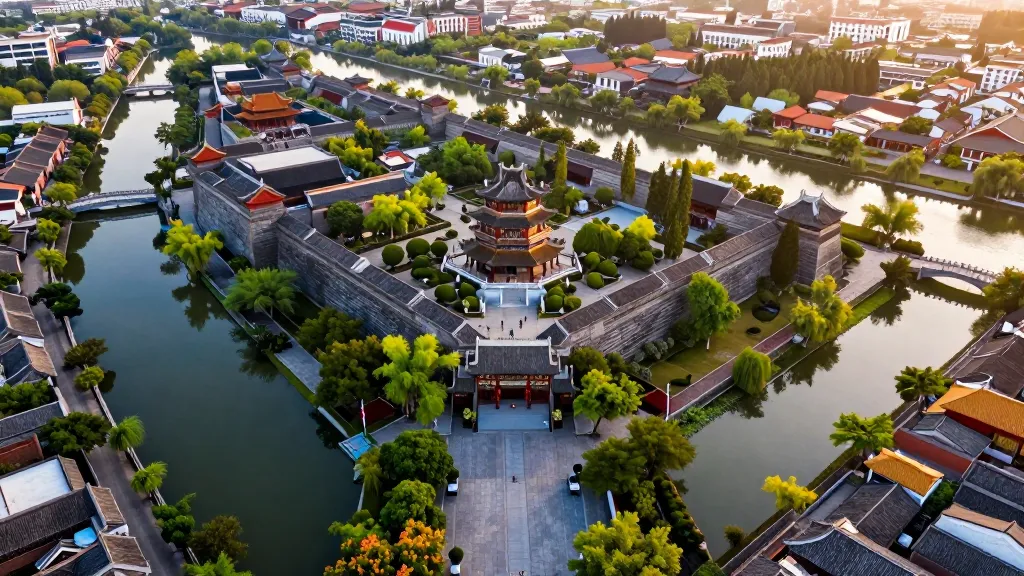
The Citadel, or Kinh Thinh, is a sprawling complex that once served as the political and military heart of the Nguyen Dynasty. Its massive walls, gates, and temples symbolize both strength and divine authority, with the Imperial City at its core. Visitors can explore the intricate layout of the palace complex, which offers insight into the daily life of royalty and the administrative machinery of the imperial court.
Hue Royal Tombs: A Deep Dive Into Imperial History
The Royal Tombs of Hue are a poignant testament to the imperial legacy of the Nguyen Dynasty, offering a profound insight into the history, rituals, and spiritual beliefs of Vietnam's royal past. This complex, spanning several centuries, includes the Thien Thanh and Minh Mang Tombs, each reflecting the unique era and ambitions of their respective emperors.
Thien Thanh Tomb: The Royal Mausoleum of Emperor Gia Long
Thien Thanh Tomb, the final resting place of Emperor Gia Long, is the first and most historically significant tomb in the complex. Constructed in the early 19th century, it symbolizes the beginning of the Nguyen Dynasty's rule and the emperor's vision of a unified Vietnam. The tomb's design, with its grand architecture and intricate carvings, reflects the emperor's emphasis on Confucian values and his desire to leave a lasting legacy.
Minh Mang Tomb: The Grandeur of a Later Emperor
Minh Mang Tomb, built in the mid-19th century, showcases the artistic and architectural advancements of a later emperor. Emperor Minh Mang, known for his patronage of the arts and cultural projects, left behind a tomb that blends traditional Vietnamese elements with Chinese influences. The tomb's elaborate structures and serene gardens highlight the emperor's deep spiritual devotion and his efforts to immortalize his reign through grandeur and beauty.
The Citadel of Hue: A Majestic Architectural Masterpiece
The Citadel of Hue stands as a monumental symbol of Vietnam’s imperial past, blending architectural grandeur with historical significance. At its core lies the Imperial City, a vast complex that once housed the emperors and their court, while the adjacent Palace Complex offers an intimate look into the daily lives of the royal family. Together, these sites provide a profound insight into the political, cultural, and spiritual life of the Nguyen Dynasty.
Imperial City: The Heart of Royal Life
The Imperial City is the central hub of the Citadel, encompassing a series of palaces, temples, and administrative buildings that once served as the political and ceremonial heart of the Nguyen Dynasty. Visitors can explore the Hall of Supreme Harmony, where coronations and important state ceremonies took place, and the Temple of Literature, which honors Confucius and reflects the dynasty’s scholarly traditions. The city also features the Royal Garden, a serene space that once provided leisure for the royal family, offering a peaceful contrast to the formal architecture.
Palace Complex: A Glimpse Into Royal Daily Life
The Palace Complex, located within the Imperial City, provides a more personal glimpse into royal life. The main palace, known as the Forbidden City, housed the emperor and his family, with its intricate halls and courtyards designed to reflect the power and elegance of the dynasty. The complex also includes the Private Garden, where the emperor would retreat for moments of solitude, and the Royal Library, which once held thousands of scrolls and books. To fully experience the Citadel, visitors should allow at least two hours to explore these key areas and appreciate the craftsmanship and historical depth of this UNESCO World Heritage Site.
Perfume River Cruises: A Romantic and Cultural Experience
Perfume River cruises offer a unique way to experience the beauty and culture of Hue, blending scenic landscapes with historical storytelling. As the river winds through the city, passengers are treated to views of ancient landmarks, royal tombs, and the serene banks of the Perfume River, which has long been a symbol of the region’s heritage and spiritual significance.
Cruise Itineraries and Best Times to Visit
Cruise itineraries typically range from 1 to 3 hours, with options to visit key landmarks such as the Imperial City, Thien Thanh Tomb, and the Perfume River Bridge. The best times to take a cruise are during the early morning or late afternoon, when the light is soft and the air is cooler, enhancing the romantic ambiance. Some operators also offer evening cruises with lantern-lit scenery, providing a magical experience under the stars.
Cultural Performances Aboard the River Cruises
Cultural performances aboard the river cruises add a layer of authenticity to the journey. Traditional music, dance, and storytelling in Vietnamese are often performed by local artists, offering insight into the region’s rich history and royal traditions. These performances are usually accompanied by live music played on traditional instruments such as the dan bau and đàn tranh, creating an immersive and educational experience for visitors.
Practical Travel Tips for Visiting Hue
Planning your trip to Hue requires careful consideration of how to reach the city and move around once you're there. Whether you're coming from Da Nang or Hanoi, or exploring Hue's landmarks on your own, understanding your transportation options will help you make the most of your visit.
- Fly into Da Nang International Airport and take a bus or private transfer to Hue, which takes around 2.5 to 3 hours. From Hanoi, you can take a direct bus that takes approximately 8 to 9 hours, or fly into Da Nang and connect.
- Within Hue, buses are the most reliable and affordable option for getting around. They operate on fixed routes and are available from major hotels and transport hubs. Tuk-tuks offer a more scenic and flexible alternative, but be prepared for higher prices and the need to negotiate.
- Budget-friendly accommodation includes guesthouses and hostels located near major attractions or along the Perfume River. Many offer free Wi-Fi and breakfast. For dining, try local eateries serving traditional dishes like bun bo Hue and cao lầu, which are often more affordable than international chains.
Getting to Hue: Flights, Buses, and Trains
Getting to Hue involves several transportation options depending on your starting point. From Da Nang, you can take a direct bus that runs hourly and takes about 2.5 to 3 hours. Alternatively, you can fly into Da Nang International Airport and then take a private transfer or shared shuttle to Hue, which is a more comfortable option for longer distances. From Hanoi, the most common route is to take a direct bus that departs in the early morning and takes around 8 to 9 hours, offering a scenic route through central Vietnam.
Getting Around Hue: Local Transport Options
Once in Hue, public buses are the most practical and affordable way to get around. They operate on a network that covers major landmarks and tourist areas, though schedules can be irregular. Tuk-tuks provide a more personalized experience and are ideal for short distances, but they are more expensive and require negotiation. For a balance of cost and comfort, consider using a shared taxi or a private car service, especially if you're visiting multiple sites in a single day.
Frequently Asked Questions
What is the best time of year to visit the Hue Imperial City?
The best time to visit Hue Imperial City is from February to April when the weather is cool and dry, ideal for exploring historical sites. Avoid the rainy season from May to November, as it can hinder outdoor activities and travel plans.
Are there guided tours available for the Royal Tombs and Citadel?
Yes, guided tours are available for the Royal Tombs and Citadel, offering insightful historical context and expert interpretations. These tours can be booked through local agencies or included in travel packages for a more enriching experience.
How long does a typical visit to the Perfume River cruise take?
A typical Perfume River cruise lasts about 2 to 3 hours, allowing time for scenic views, cultural performances, and photos. Some extended cruises may include additional stops or evening entertainment.
What are some affordable accommodation options in Hue?
Affordable accommodation in Hue includes budget hotels like Hue Grand Hotel and hostels such as Hue Backpackers. These options provide comfortable stays without compromising on location or convenience.
Final Thoughts
Hue Imperial City offers a unique blend of history, culture, and natural beauty. From the Royal Tombs to the Citadel and the scenic Perfume River, there is something for every traveler. Plan your visit with the right timing and local insights to make the most of your experience.
For those seeking to explore the heart of Vietnam's imperial past, Hue is a must-visit destination. With careful planning and the right resources, your journey through this historical gem will be both enriching and unforgettable.