Mekong Delta Day Trip Guide: Floating Markets, Can Tho, and Ben Tre
 vietgo8 min read
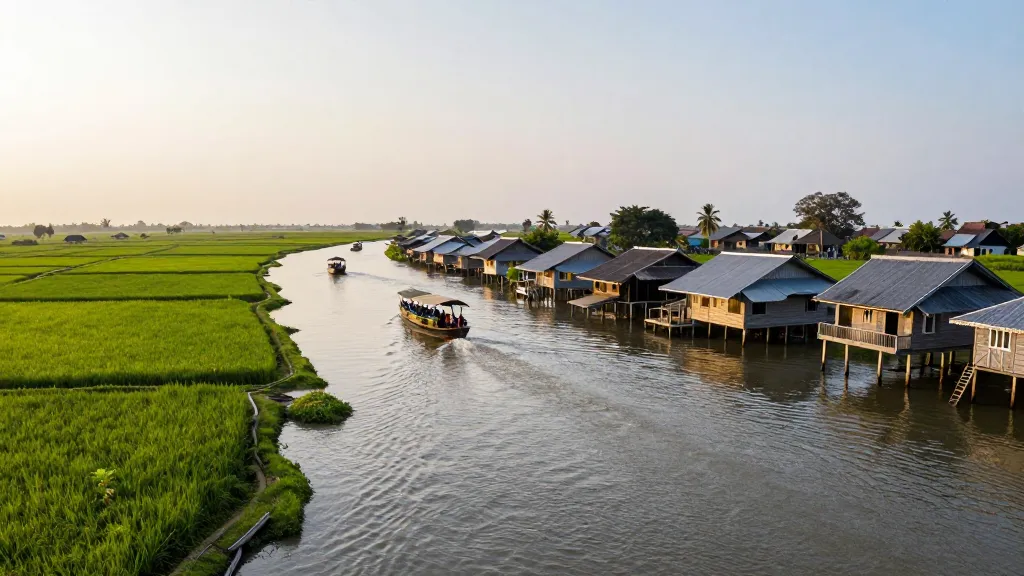
If you're looking for a unique and immersive day trip from Ho Chi Minh City, the Mekong Delta offers a perfect blend of culture, history, and natural beauty. This Mekong Delta Day Trip Guide: Floating Markets, Can Tho, and Ben Tre will help you make the most of your time, showing you how to travel between these key destinations with ease. Whether you're a backpacker or a digital nomad, this guide provides a well-structured itinerary that balances activity with relaxation. From the bustling floating markets to the serene canals of Can Tho and the sweet rice fields of Ben Tre, every stop on this journey offers something special. Let’s dive into the details and plan your unforgettable Mekong Delta adventure.
Getting to the Mekong Delta From Ho Chi Minh City
Traveling from Ho Chi Minh City to the Mekong Delta offers multiple transportation options, each with its own advantages for budget-conscious travelers and those seeking a more immersive experience. Whether you prefer the efficiency of a bus, the cultural richness of a boat tour, or the convenience of a private transfer, the journey itself can be part of your adventure. The total travel time typically ranges from 1.5 to 2 hours, depending on traffic and the mode of transport, making it a feasible option for a day trip.
By Bus: Cost-Effective and Fast
Taking a bus is one of the most cost-effective ways to reach the Mekong Delta from Ho Chi Minh City. Several companies operate regular services to key destinations like Can Tho and My Tho, with ticket prices usually ranging from $2 to $5. Buses are a straightforward and affordable option, allowing you to travel in comfort while still enjoying the scenic views of the surrounding countryside. The journey typically takes between 1.5 to 2 hours, depending on traffic conditions.
By Boat: A Scenic and Cultural Experience
Boat tours offer a more scenic and culturally enriching way to reach the Mekong Delta. These trips often include stops at local villages, floating markets, and cultural sites, giving travelers a deeper insight into the region's way of life. While the journey can take slightly longer than a bus ride, the immersive experience of navigating the waterways and interacting with local communities makes it a memorable way to start your day trip. Most boat tours depart from Saigon's riverfront or nearby ports, with options available for both group and private excursions.
Exploring Can Tho: The Heart of the Mekong Delta
Can Tho, often regarded as the heart of the Mekong Delta, offers a unique blend of cultural experiences and natural beauty. A visit to the city should include a stop at its bustling floating market, where you can immerse yourself in the local way of life, and a boat tour that reveals the region’s serene landscapes and traditional lifestyle.
Can Tho Floating Market: A Must-Visit Spot
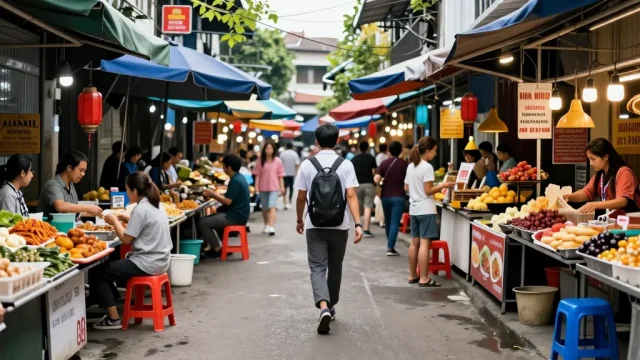
The Can Tho Floating Market is a vibrant hub of activity where locals and visitors can experience the essence of Mekong Delta culture. Stalls line the waterways, offering an array of fresh fruits, vegetables, seafood, and traditional snacks like banh mi and pho. This market is not just a place to shop—it’s a living, breathing part of the community, where vendors interact with customers in a lively and friendly atmosphere.
Boat Tours Around Can Tho: A Local Perspective
A boat tour around Can Tho provides an intimate view of the delta’s daily life and stunning natural scenery. As you glide along the rivers, you’ll pass through lush rice paddies, small villages, and local farms, gaining insight into the region’s agricultural heritage. These tours often include stops at local eateries where you can sample traditional dishes, making it an ideal way to connect with the culture and landscape of the area.
A Day in Ben Tre: Sweet Rice and Cultural Treasures
Ben Tre is a hidden gem in the Mekong Delta, known for its rich agricultural heritage and warm hospitality. A day here offers an immersive experience into the region’s traditions, from the lush coconut farms to the bustling local market. Visitors can taste the fruits of the land while learning about the cultural significance of its produce.
Ben Tre Coconut Farms: A Taste of Tradition
Ben Tre Coconut Farms offer a unique opportunity to see how this iconic crop is cultivated and processed. The farms are spread across the region, with many open to visitors who can tour the groves and observe the harvesting and processing of coconuts. Local guides often share the history of coconut farming in Ben Tre, explaining how it has shaped the community’s economy and lifestyle. The sweet aroma of fresh coconuts and the sight of workers meticulously preparing them create a sensory experience that lingers long after the visit.
Ben Tre Local Market: Fresh Produce and Souvenirs
The Ben Tre Local Market is a vibrant hub where the region’s agricultural bounty comes to life. Stalls overflow with fresh fruits, vegetables, and spices, many of which are used in traditional dishes. Visitors can sample local delicacies like sweet rice, which is made from sticky rice cooked with coconut milk and sugar, offering a sweet and creamy taste of the region. The market also serves as a great place to pick up souvenirs, from handcrafted coconut products to woven baskets, ensuring that travelers can take a piece of Ben Tre home with them.
Practical Tips for a Mekong Delta Day Trip
A successful Mekong Delta day trip depends on thoughtful preparation. The region's warm climate and humid air mean you should prioritize comfort and protection. Pack lightweight, breathable clothing to stay cool and comfortable during long hours outdoors. Comfortable shoes are essential, as much of the trip involves walking on uneven paths and stepping over waterways. A hat and sunscreen will help shield you from the strong sun, which can be intense even in the shade.
- Pack comfortable shoes and light clothing for the trip.
- Bring cash for small purchases and tipping.
- Stay hydrated and protect yourself from the sun.
- Bring a reusable water bottle and a sun hat.
- Check the weather forecast and plan accordingly.
- Pack a small first-aid kit for minor injuries or insect bites.
Since many small vendors and local markets operate on cash-only systems, it's wise to bring enough Vietnamese Dong for small purchases and tipping. While credit cards are becoming more common in major cities, they are not widely accepted in rural areas. A wallet with some cash will ensure you can enjoy the local culture without any inconvenience. Remember to carry a small amount of change for tips, which are appreciated in the region.
Best Time to Visit the Mekong Delta
The Mekong Delta experiences two distinct seasons, making timing your visit crucial for an enjoyable experience. The dry season, running from November to April, is widely regarded as the best time to visit. During these months, the weather is generally warm and sunny, with minimal rainfall, allowing for easy travel and outdoor activities. This period is also ideal for exploring the floating markets and waterways, as the water levels are stable and the skies are clear, offering great visibility and photo opportunities.
In contrast, the monsoon season, which spans from May to October, brings frequent and heavy rainfall. While this time of year can be beautiful with lush greenery and vibrant landscapes, it poses challenges for travelers. The roads can become muddy, and boat trips may be disrupted by sudden downpours. Additionally, the humidity is at its peak, which can make outdoor activities less comfortable. For those seeking a more tranquil and predictable trip, the dry season is a safer bet.
To maximize your experience, it's wise to check local weather patterns and consider any regional variations. While the dry season is the most favorable, some areas may have slightly different conditions. For instance, certain parts of the delta might experience a brief wetter period in late February or early March. Keeping an eye on forecasts and local advisories can help you plan your trip more effectively. Ultimately, visiting during the dry season ensures a smoother and more enjoyable journey through this unique region.
Frequently Asked Questions
How long does it take to travel from Ho Chi Minh City to the Mekong Delta?
Travel time from Ho Chi Minh City to the Mekong Delta varies. By bus, it typically takes 1 to 2 hours, while boat journeys can take around 3 to 4 hours. Both options offer different experiences, with buses being more direct and boats providing scenic views.
What should I bring on a Mekong Delta day trip?
Pack light clothing, a hat, sunglasses, and sunscreen for the tropical climate. Bring a reusable water bottle, a small bag for souvenirs, and comfortable shoes for walking. A camera is also useful for capturing the local culture and landscapes.
Are there any safety concerns when visiting the floating markets?
Floating markets are generally safe, but visitors should be cautious of pickpockets in crowded areas. It's advisable to keep valuables secure and avoid carrying large amounts of cash. Always ensure you're with a reliable guide or tour operator for added security.
What are the best times to visit the Mekong Delta for a day trip?
The best times to visit are during the dry season, from November to April, when the weather is warm and sunny. Avoid the rainy season from May to October, as it can make travel more challenging. Early mornings are ideal for exploring floating markets and experiencing the local culture.
Final Thoughts
A day trip to the Mekong Delta offers a unique blend of culture, cuisine, and natural beauty. From the bustling floating markets of Can Tho to the sweet rice and coconut farms of Ben Tre, there is something for every traveler. Plan your visit during the dry season and consider both bus and boat options to suit your preferences.
To make the most of your trip, pack essentials, stay safe, and immerse yourself in the local lifestyle. Whether you're seeking adventure or relaxation, the Mekong Delta promises a memorable experience. Start planning your journey today.