Overnight Sleeper Train Packing and Comfort Tips for First-Time Riders
 vietgo7 min read
Taking an overnight sleeper train in Vietnam is a unique way to experience the country, but it can also be a challenge for first-time riders. Packing wisely, choosing the right cabin, and staying comfortable are key to making the journey pleasant. This article offers practical advice on Overnight Sleeper Train Packing and Comfort Tips for First-Time Riders, covering everything from what to pack to how to book a private cabin. Whether you're traveling on a budget or seeking luxury, these tips will help you prepare for a smooth and restful trip. From sleep essentials to train etiquette, we’ll guide you through the essentials of overnight travel on Vietnam’s sleeper trains.
Packing for an Overnight Sleeper Train
Packing for an overnight sleeper train requires careful consideration to ensure comfort, safety, and practicality. Your cabin bag should be lightweight, compact, and organized to maximize space and ease of access. Avoid overpacking, as limited storage and the need for mobility during the journey mean every item should have a purpose.
- Pack lightweight and compact clothing for comfort and space.
- Include essential toiletries and travel documents in a small, easily accessible bag.
- Avoid bringing fragile items that could be damaged during transit.
What to Pack in Your Cabin Bag
Your cabin bag should contain only the essentials needed for the journey. Lightweight clothing is ideal for sleeping and moving around, as it won’t weigh you down. Opt for moisture-wicking fabrics and pack layers for temperature changes. Avoid heavy or bulky items that could take up valuable space and make movement difficult.
What to Leave Behind
Leave behind unnecessary items like large electronics, fragile souvenirs, and non-essentials that don’t contribute to your comfort. These can be stored securely in your luggage or left at your accommodation. Focus on packing only what you need for the trip, as the sleeper train’s limited space means every item should serve a purpose.
Choosing the Right Cabin for Comfort
Choosing the right cabin is crucial for a comfortable overnight sleeper train experience in Vietnam. Understanding the options available and making an informed booking decision can significantly enhance your journey, especially for first-time riders.
Types of Sleeper Train Cabins in Vietnam
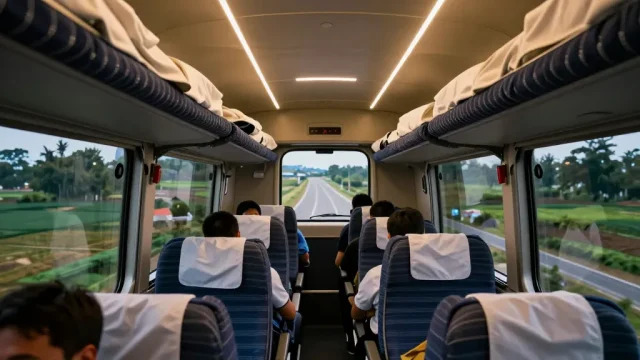
Vietnam’s sleeper trains offer several cabin types, each with distinct features and comfort levels. The most common options include shared compartments, private cabins, and sleeper berths. Shared compartments are typically for budget travelers and accommodate multiple passengers, while private cabins provide more space, privacy, and amenities. Some trains also offer sleeper berths, which are similar to shared compartments but with additional bedding and more personal space. The choice depends on your budget, travel group size, and comfort preferences.
How to Book a Private Cabin
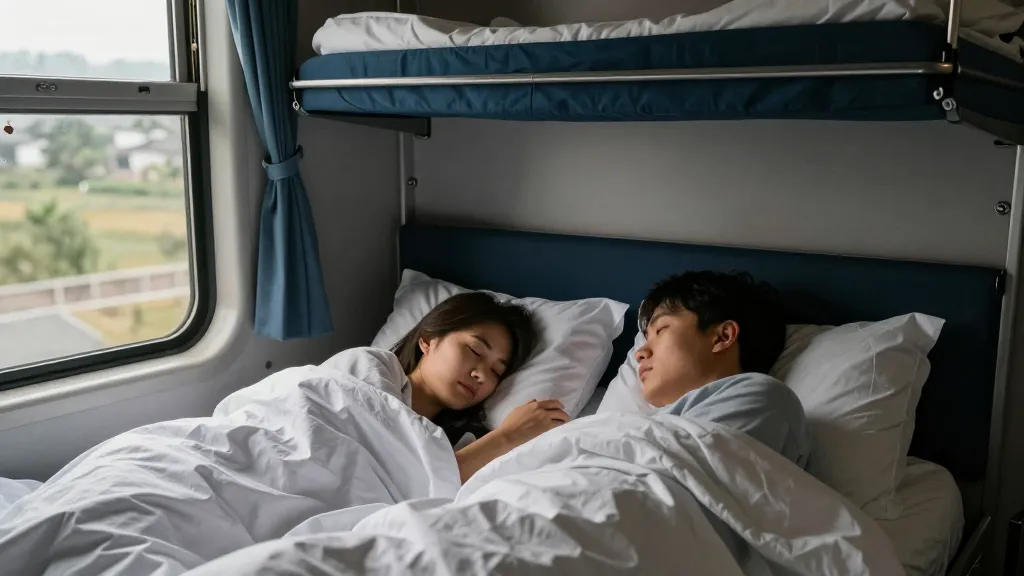
Booking a private cabin is highly recommended for first-time riders, as it offers greater comfort and peace of mind. Private cabins usually come with a small bed, a washbasin, and sometimes a curtain for privacy. To secure a private cabin, it’s best to book in advance through trusted platforms like Vietnam Travel Guide, which often list user reviews and availability. Be sure to read reviews to gauge the cabin’s condition and overall experience. Some private cabins may also include additional comforts such as a small fridge or a foldable chair, which can make the journey more pleasant.
Staying Comfortable During the Journey
Staying comfortable during an overnight sleeper train journey in Vietnam requires thoughtful preparation and attention to small details. From sleep essentials to temperature control, the right tools can make a significant difference in your rest and overall experience.
- Use a travel pillow and eye mask to enhance sleep quality.
- Bring a small blanket or sleep mat for added comfort.
- Keep your cabin cool and dry by using a fan or air vent.
- Pack earplugs or a noise-canceling device to manage ambient sounds.
Sleep Essentials for the Journey
A travel pillow and eye mask are essential for improving sleep quality on an overnight train. The pillow supports your head and neck, reducing strain during long hours of lying down, while the eye mask blocks out light and helps you fall asleep more easily. These simple items can transform a restless night into a more restful one, especially in a cabin with limited space and potential disturbances.
Managing Temperature and Noise
Managing temperature and noise is crucial for a comfortable journey. Use a fan or air vent to circulate air and keep your cabin cool, especially if the train is not climate-controlled. If the environment is too warm, a small blanket can provide insulation and comfort. For noise, consider using earplugs or a noise-canceling device to block out the sounds of the train and other passengers, ensuring a more peaceful sleep.
Etiquette and Safety on Sleeper Trains
Etiquette and safety are essential for a pleasant and secure overnight sleeper train experience. Respecting others' space and following safety guidelines ensures a peaceful journey for all passengers.
Basic Etiquette Rules
Respect for others' space is crucial on sleeper trains. Avoid loud conversations or playing music, especially during late hours, as many travelers seek rest. Keep your cabin door closed to maintain privacy and prevent disturbances. If you need to use the restroom or move around, do so quietly to minimize disruption.
Safety Tips for Overnight Travel
Follow train staff instructions for safety and emergency procedures. Pay attention to announcements and be ready to follow directions in case of delays or emergencies. Store valuables securely and avoid leaving belongings unattended. In the event of an emergency, remain calm and assist others if possible, but prioritize your own safety first.
Tips for First-Time Riders on Vietnam Sleeper Trains
As a first-time rider on a Vietnam sleeper train, thorough preparation and awareness of what to expect can significantly enhance your travel experience. Understanding the logistics of your journey and the practical aspects of arriving at your destination will help you navigate the trip with ease and confidence.
- Research the train route and estimated arrival time in advance.
- Bring a small backpack or day bag for your belongings while traveling.
- Check for any additional fees or restrictions on luggage storage.
How to Prepare for the Journey
Before boarding, take the time to research the train route and estimated arrival time. This helps you plan your schedule and avoid any last-minute stress. Knowing the exact departure and arrival times also allows you to coordinate with your travel companions or arrange transportation from the station to your destination.
What to Expect on Arrival
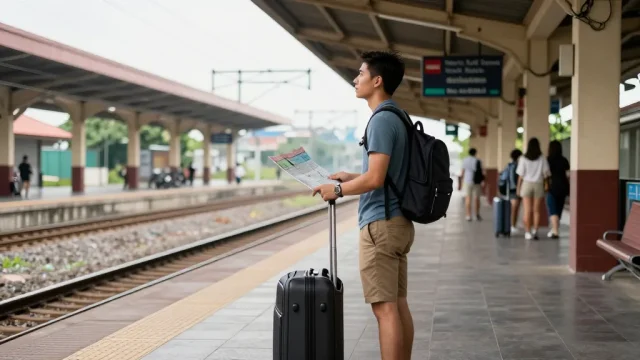
Upon arrival, be prepared for a potentially long walk from the station to your accommodation, especially if you're arriving late at night. Having a small backpack or day bag will make it easier to carry essentials like a water bottle, a light jacket, and a travel towel. Also, be mindful of any additional fees or restrictions on luggage storage, as some trains may charge for extra bags or have limited space.
Frequently Asked Questions
What should I wear on a Vietnam sleeper train for maximum comfort?
Wear comfortable, breathable clothing suitable for the climate. Avoid heavy fabrics and opt for layers that can be adjusted for temperature changes. Choose soft, non-restrictive footwear for ease of movement.
Is it possible to book a private cabin on a sleeper train in Vietnam?
Yes, private cabins are available on some sleeper trains in Vietnam. These are often booked in advance and may require additional payment. Check with the travel provider for availability and booking options.
How can I stay safe and secure during an overnight train ride?
Secure your belongings in a locker or under your berth. Avoid carrying valuables and keep your passport and money in a safe place. Stay alert and aware of your surroundings at all times.
What are the best ways to manage noise and temperature on a sleeper train?
Use earplugs or a noise-canceling headset to manage noise. Dress in layers to adapt to changing temperatures and use a blanket for warmth. Keep your cabin area clean and organized to minimize disturbances.
Final Thoughts
Prioritizing comfort and safety is essential for a successful overnight sleeper train journey. Plan your packing, choose the right cabin, and prepare for the unique experience of train travel in Vietnam. Your preparation will ensure a smoother and more enjoyable trip.
With the right mindset and preparation, an overnight sleeper train ride in Vietnam can be a memorable and comfortable experience. Start by gathering all the necessary information and planning your trip details to make the most of your journey.