Sapa Travel Guide: Rice Terraces, Fansipan Peak, and Homestay Tips
 vietgo7 min read
Planning a trip to Sapa, Vietnam, can be both exciting and overwhelming, especially for international travelers, backpackers, and digital nomads looking for a mix of culture, adventure, and affordable stays. This Sapa Travel Guide: Rice Terraces, Fansipan Peak, and Homestay Tips is designed to help you navigate the region with confidence, offering practical advice on sightseeing, trekking, and accommodation. Whether you're drawn to the breathtaking rice terraces, the challenging hike to Fansipan Mountain, or the charm of local homestays, this guide covers it all. From the best times to visit iconic landmarks to tips for packing and getting around, you'll find everything you need to make the most of your Sapa experience.
Exploring Sapa: A Cultural and Natural Overview
Sapa, located in the heart of northern Vietnam, is a captivating region that blends breathtaking natural landscapes with rich cultural heritage. Its remote mountainous terrain and vibrant ethnic communities make it a unique destination for travelers seeking both adventure and authenticity.
Why Sapa Stands Out in Vietnam
Sapa stands out in Vietnam due to its stunning natural beauty and UNESCO-recognized rice terraces, which have been cultivated for centuries by local communities. The region’s cool climate, dramatic mountain ranges, and lush greenery create an ideal setting for trekking, photography, and relaxation. Additionally, Sapa’s remote location ensures a tranquil and less crowded experience, making it a hidden gem for those looking to explore beyond the usual tourist spots.
Cultural Highlights of Sapa
The cultural highlights of Sapa are deeply rooted in the traditions of its ethnic minority groups, including the H'Mong and Dao. These communities have preserved their unique customs, languages, and festivals, offering travelers an immersive experience into their way of life. Visitors can witness traditional festivals, try local ethnic cuisine, and explore villages where handwoven textiles and intricate embroidery are still crafted by skilled artisans. The warmth and hospitality of the local people further enhance the authenticity of the cultural encounters, making Sapa a must-visit for those interested in Vietnam’s diverse heritage.
Sapa Rice Terraces: A Photographer’s Paradise
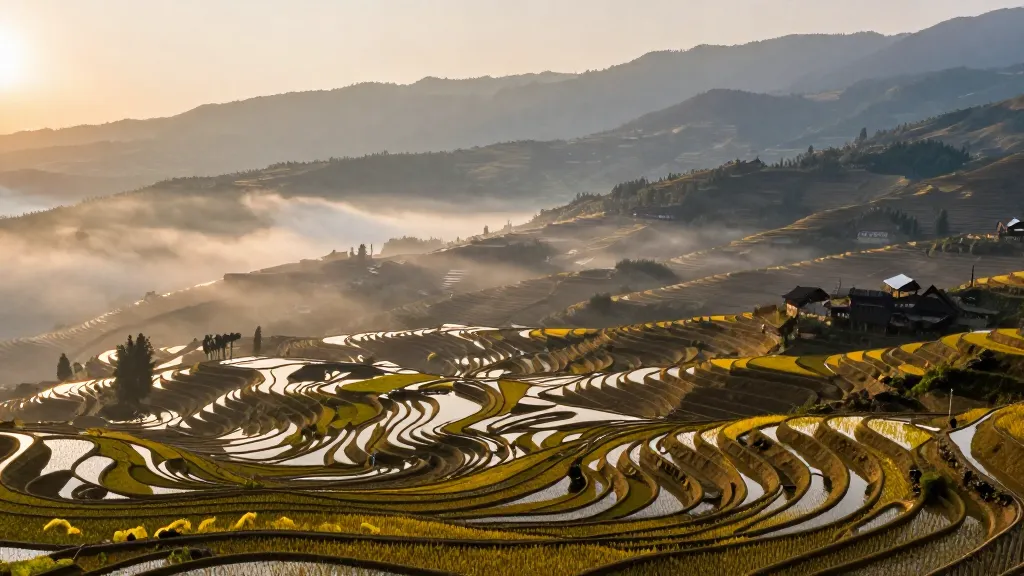
The rice terraces of Sapa are one of the region’s most iconic natural attractions, offering breathtaking landscapes that have captivated travelers for decades. These terraced fields, carved into the mountain slopes, create a mesmerizing mosaic of green and golden hues, especially during the growing season. For photographers, Sapa’s rice terraces provide an endless array of compositions, from wide-angle shots of the entire landscape to intimate details of daily life in the surrounding villages.
When to Visit the Rice Terraces
The best time to visit the rice terraces is between late spring and early autumn, typically from April to October. During this period, the fields transition through vibrant colors, with green shoots appearing in April, followed by the golden hue of mature rice in July and August. September and October bring the harvest season, offering dramatic scenes of farmers working the fields and the terraces glowing in the morning light. While the terraces are beautiful year-round, the lighting and colors during these months create the most photogenic conditions.
Photography Tips for the Terraces
Photographing the rice terraces requires attention to both timing and technique. Early mornings and late afternoons provide the softest natural light, ideal for capturing the golden hour effect. A wide-angle lens is recommended to capture the grandeur of the terraces, while a telephoto lens can isolate specific details, such as a farmer or a traditional stilt house. Including local villagers in your shots adds a human element and highlights the connection between the landscape and daily life. Be respectful of the local culture and always ask for permission before photographing people.
Fansipan Mountain: The Crown of Vietnam
Fansipan Mountain, the highest peak in Vietnam, is a must-visit destination for adventurers and nature lovers. Located within the Fansipan-Lao Cai National Park, it offers a unique blend of breathtaking landscapes, diverse ecosystems, and challenging hiking routes. Whether you're seeking a leisurely walk or a demanding trek, Fansipan provides experiences tailored to different fitness levels and interests.
Hiking Fansipan: What to Expect
Hiking Fansipan offers a range of trails suitable for various skill levels, from easy walks to strenuous climbs. The most popular route is the Fansipan Loop, which begins at Lao Cai and passes through scenic villages and cloud forests before reaching the summit. For those seeking a more challenging experience, the Sapa to Fansipan trail is longer and steeper, requiring physical endurance and proper preparation. Hikers should be prepared for unpredictable weather, varying terrain, and the need for adequate supplies.
Cable Car Access to Fansipan
Alternatively, the cable car provides a more accessible and comfortable way to reach the summit. The journey from Muong Khe to Fansipan Skywalk takes about 20 minutes and offers panoramic views of the surrounding mountains and valleys. This option is ideal for travelers who prefer to minimize physical exertion while still enjoying the mountain's beauty. The Skywalk itself is a highlight, offering a unique vantage point with stunning views of the cloud forest and distant peaks.
Sapa Homestay: Authentic and Affordable Stays
Homestays in Sapa provide an immersive and budget-friendly way to experience the region’s rich cultural heritage. These accommodations offer a personal touch that hotels often lack, making them ideal for travelers who want to connect with local communities and learn about traditional lifestyles.
Choosing the Right Homestay for You
Choosing the right homestay depends on your travel preferences and interests. Many homestays are run by ethnic minority families, such as the H'mong or Dao, offering unique insights into their daily lives and customs. Look for accommodations that provide guided tours or cultural activities, which can enhance your understanding of the local way of life. It’s also wise to consider the location—homestays near rice terraces or mountain trails can provide convenient access to popular sights.
What to Expect From a Sapa Homestay
Staying in a homestay means experiencing a more intimate and welcoming atmosphere compared to standard hotels. Hosts often prepare traditional meals using local ingredients, giving you a taste of authentic Vietnamese cuisine. Many homestays also offer opportunities to participate in activities like weaving, cooking classes, or farm visits, allowing you to engage directly with the community. While homestays are generally more affordable than hotels, it’s still advisable to book in advance, especially during peak seasons like spring and autumn, to secure your preferred accommodation.
Practical Tips for a Successful Sapa Trip
A well-planned Sapa trip ensures a balance of adventure, culture, and relaxation. Prioritizing practical considerations like transportation, packing, and local customs helps maximize your experience in this beautiful region.
- Plan your itinerary with a mix of sightseeing, trekking, and relaxation.
- Pack appropriate clothing for the weather, which can vary greatly in the region.
- Consider transportation options such as private cars, buses, or shared taxis.
- Be mindful of local customs and etiquette to ensure a respectful and enjoyable experience.
Transportation in Sapa
Transportation in Sapa offers several options to suit different travel styles and budgets. Local buses are the most affordable but can be slow and less comfortable. Shared taxis are a middle ground, offering better comfort at a reasonable price. For those seeking convenience and flexibility, hiring a private car with a driver is ideal, though it comes at a higher cost. Planning your transport in advance ensures you can move between attractions and accommodations without stress.
Packing Essentials for Sapa
Sapa's weather can be unpredictable, with cool mornings, warm afternoons, and sudden rain showers. Layered clothing is essential, including a waterproof jacket, thermal layers, and comfortable walking shoes. Don't forget to pack a light scarf, sunglasses, and sunscreen for sun protection. A reusable water bottle and a compact first-aid kit are also useful for staying prepared during your travels.
Frequently Asked Questions
What is the best time to visit Sapa for the rice terraces?
The best time to visit Sapa for the rice terraces is from late April to early June for lush green fields and from September to November for golden hues. These periods offer the most scenic views, though the terraces are beautiful year-round.
How difficult is the hike to Fansipan Mountain?
The hike to Fansipan Mountain is moderately difficult, with steep sections and uneven terrain. A full-day trek is recommended, and hiring a local guide is advisable for safety and navigation.
Are homestays in Sapa safe for solo travelers?
Homestays in Sapa are generally safe for solo travelers, offering a warm and welcoming environment. Most hosts are friendly and offer assistance, making it an ideal choice for solo adventurers.
What should I pack for a trip to Sapa?
Pack comfortable hiking shoes, light clothing, a waterproof jacket, and a reusable water bottle. Include a camera for the scenic views and some local currency for small purchases.
Final Thoughts
Sapa offers a unique blend of cultural immersion and natural beauty. From the breathtaking rice terraces to the challenging hike up Fansipan Mountain, there is something for every traveler. Homestays provide an authentic and affordable way to experience local life.
Plan your trip with the right timing, packing essentials, and practical tips to ensure a memorable visit. Explore Sapa with confidence and enjoy the vibrant culture and stunning landscapes.