Understanding Vietnamese Hotel Check-In Rules and Passport Registration
 vietgo8 min read
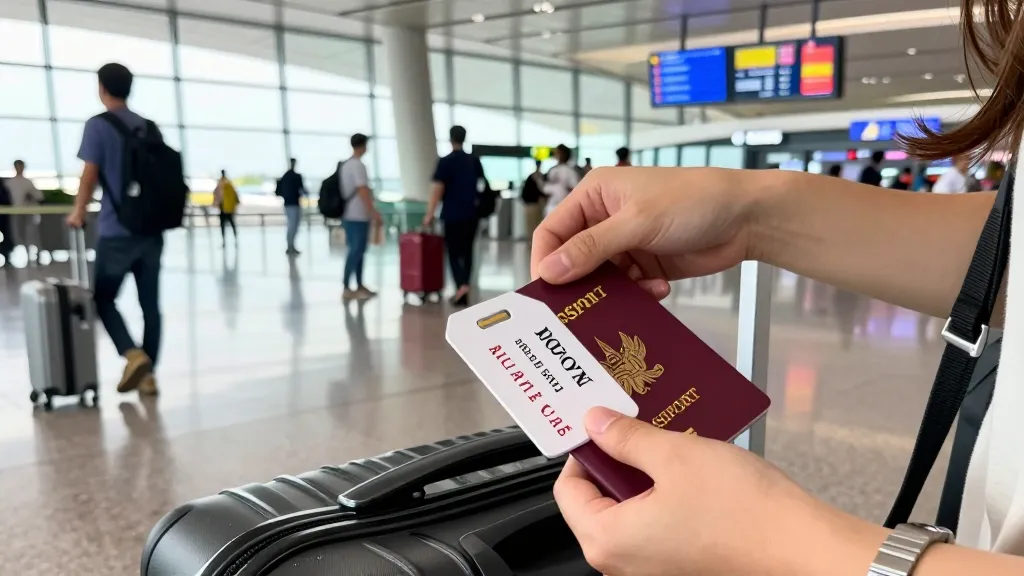
For international tourists arriving in Vietnam, understanding the hotel check-in rules and passport registration requirements is essential for a smooth and legal stay. Whether you're planning a short trip or longer vacation, knowing what to expect can help you avoid delays and ensure compliance with local regulations. This article provides a comprehensive guide to the procedures and requirements you'll encounter when checking into a hotel in Vietnam, including the importance of passport registration and how to complete it correctly.
The check-in process at Vietnamese hotels involves several steps, from presenting your passport to completing registration forms. While the process is generally straightforward, it's important to be prepared and aware of the specific requirements at your accommodation. This guide covers everything you need to know, from the documents you must bring to the steps involved in registration.
By following the guidelines outlined in this article, you can ensure a hassle-free start to your trip. We'll also highlight common mistakes to avoid and what to do after check-in to stay safe and make the most of your stay in Vietnam. Whether you're a first-time visitor or returning traveler, this information will help you navigate the check-in and registration process with confidence.
Vietnam Hotel Check-In Rules and Basic Requirements
When checking into a hotel in Vietnam, international tourists must be prepared to meet specific requirements to ensure a smooth and legal stay. Understanding these rules is essential for a hassle-free experience, as they cover everything from identification to payment methods. Familiarizing yourself with what to bring and how the check-in process works can help avoid unnecessary delays and complications.
What to Bring When Checking In
Hotels in Vietnam require guests to present valid identification, typically a passport, as part of the check-in process. This is a standard procedure to verify the guest's identity and ensure compliance with local regulations. In some cases, hotels may also ask for a copy of the passport for their records, so it is advisable to have an extra copy ready. Guests should ensure their passport is valid for the duration of their stay and has sufficient remaining validity.
Booking Confirmation and Hotel Policies
Booking confirmation is usually needed to expedite the check-in process and avoid any delays. Most hotels in Vietnam operate between 12:00 PM and 3:00 PM for check-in, though some may offer earlier or later times depending on the property. It is recommended to confirm the hotel's check-in policy in advance, especially if you have specific travel plans or arrival times. Some hotels may also request a deposit or credit card for incidentals, so it is wise to check this information prior to arrival.
Passport Registration in Vietnam: What You Need to Know
Passport registration is a crucial requirement for all foreign visitors staying in Vietnam. This process ensures that immigration authorities have accurate records of foreign nationals present in the country, supporting national security and legal compliance. Understanding the reasons behind this requirement and how it works can help travelers avoid unnecessary delays or penalties during their stay.
Why Passport Registration Is Required
Passport registration is mandatory for all foreign visitors staying in Vietnam. This requirement is enforced to maintain accurate records of individuals present in the country, aiding law enforcement and immigration authorities. The process is part of Vietnam's broader efforts to ensure compliance with international travel regulations and to manage the movement of foreign nationals effectively.
How the Registration Process Works
The registration process typically takes place at the hotel where you are staying. Upon check-in, you will be asked to provide a copy of your passport and complete a simple form with your personal details, including your name, nationality, and the duration of your stay. This information is recorded in the hotel's official records and may be accessed by immigration authorities if needed. The process is usually quick and straightforward, requiring no additional documents beyond your passport and the completed form.
Check-In Procedures at Vietnamese Hotels
Check-in procedures at Vietnamese hotels are designed to be straightforward, but preparation and awareness can help ensure a seamless experience. Understanding the process and what to expect can save time and prevent unnecessary delays, especially for international tourists who must comply with passport registration requirements.
- Arrive at the hotel at least 30 minutes before check-in time to avoid delays, particularly during peak travel periods.
- Some hotels offer early check-in or late check-out services for an additional fee, which can be useful if your schedule is tight.
- Be prepared to present your passport and booking confirmation upon arrival, as these are essential for check-in and registration.
- A valid credit card is typically required for a deposit or to cover incidental charges, so ensure you have one ready.
- Hotel staff may ask for additional information, such as your employment status or the purpose of your visit, to complete the registration process.
Tips for a Smooth Check-In
Arriving early can significantly reduce stress and help avoid long queues, especially during busy times. Many hotels operate on a strict check-in schedule, and arriving just before the cutoff time may result in being turned away if the front desk is overwhelmed. Giving yourself extra time allows for a more relaxed start to your stay.
What to Expect During the Check-In Process
During check-in, hotel staff will verify your identity by checking your passport and booking confirmation. They may also request additional details, such as your occupation or the reason for your visit, to complete the registration process. This is a standard procedure and helps authorities maintain accurate records of foreign visitors. Always be polite and cooperative to ensure a smooth transition into your accommodation.
Common Mistakes to Avoid at Vietnamese Hotels
Avoiding common mistakes at Vietnamese hotels can save you time, hassle, and potential penalties. Being prepared and informed about check-in rules and requirements helps ensure a smooth arrival and registration process. Here are key errors to avoid and how to prevent them.
- Not checking the check-in time in advance can lead to unnecessary delays.
- Missing the passport copy requirement can cause issues with registration.
- Not having a valid credit card may prevent you from securing a room.
- Arriving at the wrong time can result in being turned away or charged for late check-in.
- Providing false information may lead to complications during registration.
Mistakes That Can Cause Delays
Failing to check the check-in time in advance is a common mistake that can lead to significant delays. Many hotels in Vietnam have strict check-in times, often between 12:00 and 14:00. Arriving too early or too late can mean being turned away or charged for late check-in. Always confirm the exact check-in time with your hotel before your arrival to avoid inconvenience.
How to Prevent Common Check-In Issues
To prevent common check-in issues, ensure you have all required documents ready, including a valid passport and a passport copy. Some hotels require the copy for registration, and without it, you may face delays or be denied check-in. Additionally, having a valid credit card on file is essential for securing your room and covering any incidental charges. Being well-prepared and informed helps avoid unnecessary complications during your stay.
What to Do After Check-In and Registration
After completing check-in and passport registration, it's essential to take practical steps to ensure a safe and smooth stay in Vietnam. Being prepared for potential emergencies, knowing local regulations, and making the most of hotel services can greatly enhance your experience. Here are key considerations to keep in mind once you've settled into your accommodation.
Staying Safe After Check-In
Once registered, guests should keep their passport safe and not leave it unattended. This is especially important in public areas or when moving around the hotel. A lost passport can lead to significant delays and additional bureaucratic hurdles. It's advisable to store your passport securely, such as in a locked drawer or a hotel safe, and to carry a photocopy or digital copy for emergencies.
Using Hotel Services and Information
Some hotels provide information about local attractions, transportation options, and nearby services. Take the opportunity to ask about recommended sights, dining spots, or cultural experiences that align with your interests. Many hotels also offer maps or brochures that can help you navigate the area more effectively. If you're unsure about local customs or laws, don't hesitate to ask the front desk for guidance to avoid unintentional breaches of etiquette or regulations.
Make sure to have your hotel’s contact information readily available in case of any issues. This includes the phone number, address, and possibly an email if provided. Being prepared for unexpected situations, such as medical emergencies or lost belongings, can help you respond quickly and efficiently. Staying informed and proactive after check-in ensures a more enjoyable and secure stay in Vietnam.
Frequently Asked Questions
Do I need to register my passport at my hotel in Vietnam?
Yes, all foreign nationals must register their passports at their hotel within 24 hours of arrival. This is a legal requirement and helps authorities track visitors.
What happens if I forget to bring a passport copy for check-in?
You may be asked to provide a passport copy during registration. If you don't have one, you might face delays or be required to visit the local police station.
Can I check in early at a Vietnamese hotel?
Some hotels allow early check-in, especially if you have a confirmed booking. However, availability depends on the hotel's policy and room readiness.
What should I do if my passport is lost or stolen during my stay?
Report the loss immediately to the police and your embassy. Contact the hotel to file a report and seek assistance in obtaining a replacement travel document.
Final Tips for a Seamless Stay
Understanding and following Vietnamese hotel check-in rules and passport registration procedures is essential for a smooth stay. Always bring your passport, booking confirmation, and any required documents to avoid delays.
Prepare in advance by checking hotel policies and ensuring you have all necessary paperwork. This helps you focus on enjoying your trip without unnecessary stress.