20 Must-Try Vietnamese Street Foods Beyond Pho and Banh Mi
 vietgo9 min read
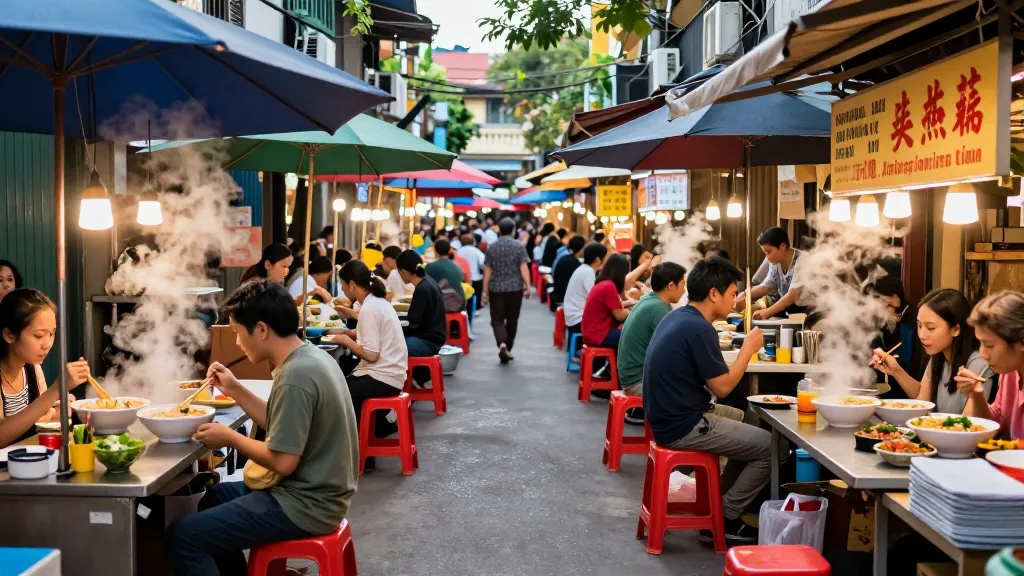
For travelers craving more than the usual Pho and Banh Mi, Vietnam’s street food scene offers a treasure trove of flavors and traditions waiting to be discovered. While these iconic dishes are a must-try, the country’s street food culture is far richer and more diverse. From sizzling grilled meats to chewy rice cakes, there’s a world of authentic, lesser-known delights just beyond the typical menu. This guide explores the 20 Must-Try Vietnamese Street Foods Beyond Pho and Banh Mi, offering a taste of the country’s culinary diversity. Whether you're a digital nomad or a traveler planning a cultural adventure, these street foods provide a unique window into Vietnam’s local life and traditions.
Divided into regional specialties, this article highlights the best street foods from North, Central, and South Vietnam, ensuring you don’t miss out on the most flavorful and authentic experiences. Each dish comes with a story, shaped by local ingredients and centuries of culinary heritage. By understanding where and how to order these foods, you can make the most of your street food tour while respecting local customs and traditions.
Whether you're exploring bustling markets in Hanoi or vibrant street corners in Ho Chi Minh City, this guide equips you with practical tips to navigate the local food scene. From budgeting for your meals to mastering the art of ordering, you’ll find everything you need to savor Vietnam’s street food culture with confidence and enjoyment.
Why Explore Beyond Pho and Banh Mi?
Vietnam’s street food scene is a treasure trove of flavors, but many travelers focus on the well-known staples like pho and banh mi. While these dishes are undeniably iconic, they only scratch the surface of the country’s vibrant culinary heritage. By stepping beyond the familiar, visitors can discover a world of unique, authentic street foods that reflect Vietnam’s regional diversity and cultural depth.
The Hidden Gems of Vietnamese Street Food
Beyond the ubiquitous pho and banh mi, Vietnam’s street food landscape is rich with hidden gems that showcase the country’s regional specialties. From the smoky, chewy textures of grilled pork skewers in Hanoi to the spicy, sour notes of cao lầu in Quảng Nam, these dishes offer a more nuanced taste of Vietnamese cuisine. Each region has its own signature street foods, often passed down through generations, making them a true reflection of local traditions and ingredients.
How to Choose Authentic Street Food in Vietnam
To ensure you’re experiencing the most authentic street foods, it’s important to know where and how to find them. Look for local markets, night markets, and street food stalls in busy neighborhoods rather than tourist areas. Engaging with vendors, asking for recommendations, and sampling from the same stall multiple times can help you identify the most flavorful and traditional options. Authentic street food is often prepared daily with fresh, local ingredients, offering a more genuine taste of Vietnam’s culinary traditions.
Top 20 Vietnamese Street Foods to Try
Vietnam’s street food scene is a vibrant tapestry of flavors and textures, with each region offering unique specialties. While Pho and Banh Mi are the most famous, there are countless other dishes that showcase the country’s culinary diversity. From the bold spices of the north to the sweet and savory delights of the south, exploring these lesser-known street foods can provide a deeper appreciation of Vietnamese cuisine.
- Bun Cha (North Vietnam): A dish of grilled pork and rice noodles, often served with herbs and dipping sauce. Bun Cha is a staple in Hanoi and is best enjoyed at local markets where the ingredients are fresh and the flavors bold.
- Banh Xeo (Central Vietnam): A crispy pancake filled with shrimp, pork, and bean sprouts, served with a tangy lime and chili dipping sauce. Banh Xeo is a popular street food in Hue and Da Nang, known for its crispy texture and vibrant flavors.
- Bun Bo Hue (Central Vietnam): A spicy and savory noodle soup from Hue, made with lemongrass, shrimp paste, and a rich broth. Bun Bo Hue is a must-try for those seeking a bold and aromatic dish that reflects the region’s culinary heritage.
- Banh Mi Banh Mi (South Vietnam): A variation of the classic Banh Mi, often featuring pate, grilled meats, and fresh vegetables. In the south, Banh Mi is more diverse, with regional twists that highlight local ingredients and spices.
North Vietnam Street Foods
North Vietnam is known for its bold and savory street foods, many of which are rooted in traditional cooking methods. Bun Cha, for example, is a dish that showcases the region’s love for fresh herbs and grilled meats. This dish is often prepared in open-air markets, where the aroma of grilled pork and rice noodles fills the air. To experience Bun Cha authentically, head to Hoan Kiem or Old Quarter in Hanoi, where street vendors serve it with a side of fresh herbs and a dipping sauce that enhances the flavors.
Central Vietnam Street Foods
Central Vietnam offers a unique blend of flavors, with dishes that often highlight the region’s rich ingredients and complex spice profiles. Banh Xeo, for instance, is a beloved street food that reflects the area’s culinary creativity. The crispy pancake is made with fermented rice flour and filled with a mix of seafood and meats, making it a popular choice for both locals and tourists. In Hue, Banh Xeo is often served with a side of pickled vegetables and a spicy dipping sauce, adding layers of flavor to the dish.
South Vietnam Street Foods
South Vietnam is home to a variety of street foods that are both sweet and savory, reflecting the region’s diverse influences. Bun Bo Hue is a prime example of this, with its rich and spicy broth that is a hallmark of central Vietnamese cuisine. This dish is often enjoyed in bustling street markets, where the heat of the broth and the freshness of the ingredients create an unforgettable experience. To try Bun Bo Hue, visit Hue or Da Nang, where the dish is served in small bowls with a side of fresh herbs and pickled vegetables.
Where to Find These Street Foods
Finding authentic Vietnamese street food requires knowing where to go and how to navigate local markets. Major cities like Hanoi, Ho Chi Minh City, and Da Nang are packed with street food stalls and hubs that offer a rich variety of flavors. To make the most of your visit, it’s essential to explore these areas with a mix of curiosity and caution, ensuring you avoid tourist traps and discover genuine local vendors.
Street Food Hubs in Hanoi
Hanoi is home to several iconic street food hubs, such as Hoan Kiem and Old Quarter, where traditional dishes are sold in bustling markets. These areas are known for their lively atmosphere and diverse range of street food, including banh mi, pho, and street-side noodle soups. To navigate these markets effectively, follow the crowds and look for stalls with a high turnover of customers, as this often indicates fresh and authentic food.
Street Food Hotspots in Ho Chi Minh City
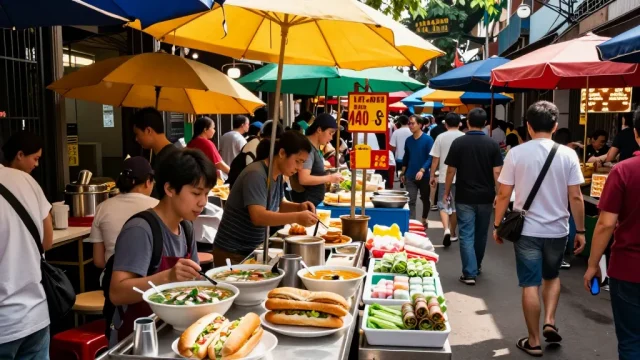
In Ho Chi Minh City, districts like Ben Thanh and District 1 are popular for their street food scene. Ben Thanh Market is a must-visit, offering everything from grilled pork skewers to fresh spring rolls. To avoid tourist traps, stick to areas where locals frequent and be mindful of prices. Vendors in these spots often offer better quality and more reasonable rates, making them ideal for a genuine street food experience.
How to Order and Eat Vietnamese Street Food
Understanding how to order and eat Vietnamese street food is key to enjoying your culinary adventure safely and respectfully. Familiarizing yourself with local customs and serving styles will enhance your experience and help you navigate the bustling street food scenes with ease.
Ordering Etiquette in Vietnamese Markets
When ordering in Vietnamese markets or street food stalls, it's common to interact directly with the vendor. Use clear, simple language to describe what you want, and don't hesitate to ask for recommendations. Many vendors are happy to explain their dishes, especially if you show interest. While tipping is not expected, a small gesture of appreciation, like a smile or a nod, is always welcome.
Serving Styles and Portion Sizes
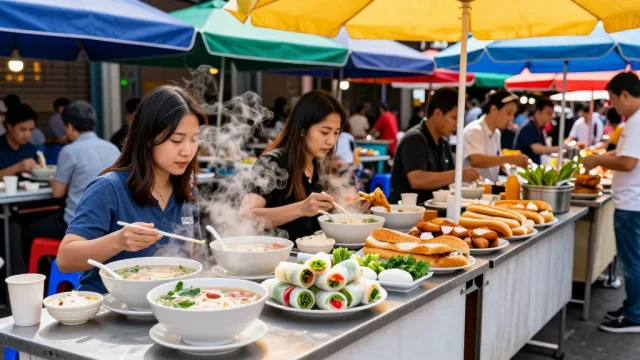
Vietnamese street food is typically served in small, affordable portions, designed for quick consumption. Prices range from 10,000 to 50,000 VND per item, depending on the location and dish. Most street food is prepared in front of you or in a shared cooking area, so expect to see ingredients being prepared. Many vendors offer a variety of dishes in one location, allowing you to sample multiple options without leaving. Be prepared to eat with your hands, especially for dishes like spring rolls or grilled meats, and always use utensils if available.
Budgeting for a Street Food Tour
Planning a street food tour in Vietnam doesn't have to break the bank. With careful budgeting, you can enjoy a wide range of authentic dishes while keeping expenses manageable. Understanding daily food costs and knowing how to save money without compromising on quality will help you make the most of your trip.
| Dish | Price Range (USD) | Portion Size | Typical Serving |
|---|---|---|---|
| Bun Cha | $1.50 – $3.00 | Large | With rice noodles, grilled pork, and herbs |
| Com Tam | $1.00 – $2.50 | Moderate | Broken rice, fried pork, egg, and pickled vegetables |
| Banh Xeo | $2.00 – $4.00 | Large | Crispy pancake with pork, shrimp, and herbs |
| Cao Lau | $2.50 – $5.00 | Large | Rice noodles, pork, and broth |
| Bun Bo Hue | $2.00 – $4.00 | Large | Noodles in spicy beef broth with herbs |
Daily Food Budget Breakdown
A daily food budget for street food can range from $10 to $30, depending on how many dishes you try and your eating frequency. Street food is generally more affordable than restaurant meals, with most dishes costing between $1 and $5. For example, a typical meal like Bun Cha or Com Tam can be found for around $2 to $4, while more elaborate dishes like Bun Bo Hue might cost slightly more. This allows for a balanced budget that supports both variety and quality without overspending.
Saving Money on Street Food
To save money on street food, focus on local markets and busy street corners where vendors offer the best prices and freshest ingredients. Avoid tourist traps that inflate prices for the same dishes. Buying in bulk, such as sharing a large dish with a friend or ordering smaller portions, can also reduce costs. Additionally, look for dishes that are often eaten as street food, like Banh Mi or Banh Xeo, which are both affordable and widely available. By being mindful of where and how you eat, you can enjoy a rich street food experience without straining your budget.
Frequently Asked Questions
Are all Vietnamese street foods safe to eat?
Most Vietnamese street foods are safe to eat when prepared in clean environments. However, food safety can vary depending on the vendor and location. Opt for stalls with high turnover and good hygiene practices to minimize risks.
Can I find these street foods outside of major cities?
Yes, many street foods are available in smaller towns and rural areas of Vietnam, though they may be less common. Local markets and roadside vendors often offer similar dishes, though with fewer options compared to major cities.
How much does a typical street food meal cost?
A typical street food meal in Vietnam ranges from $0.50 to $2.50, depending on the dish and location. Street food is generally affordable, making it an excellent option for budget-conscious travelers.
What should I do if I get sick from street food?
If you feel unwell after eating street food, stay hydrated and seek medical attention if symptoms persist. It's important to listen to your body and adjust your diet accordingly to avoid further discomfort.
Final Thoughts on Vietnamese Street Food
Exploring Vietnamese street food beyond Pho and Banh Mi offers a deeper insight into the country's rich culinary traditions. These dishes reflect regional ingredients and cooking styles, making them a must-try for any food enthusiast. Whether you're in Hanoi or Ho Chi Minh City, there's always something new to discover.
To make the most of your street food tour, plan ahead, stay mindful of food safety, and embrace the local culture. With a bit of preparation, you'll enjoy an unforgettable gastronomic experience that highlights the best of Vietnam's street food scene.