Ultimate Guide to Vietnamese Coffee: Egg Coffee, Salt Coffee, and Phin Brew
 vietgo8 min read
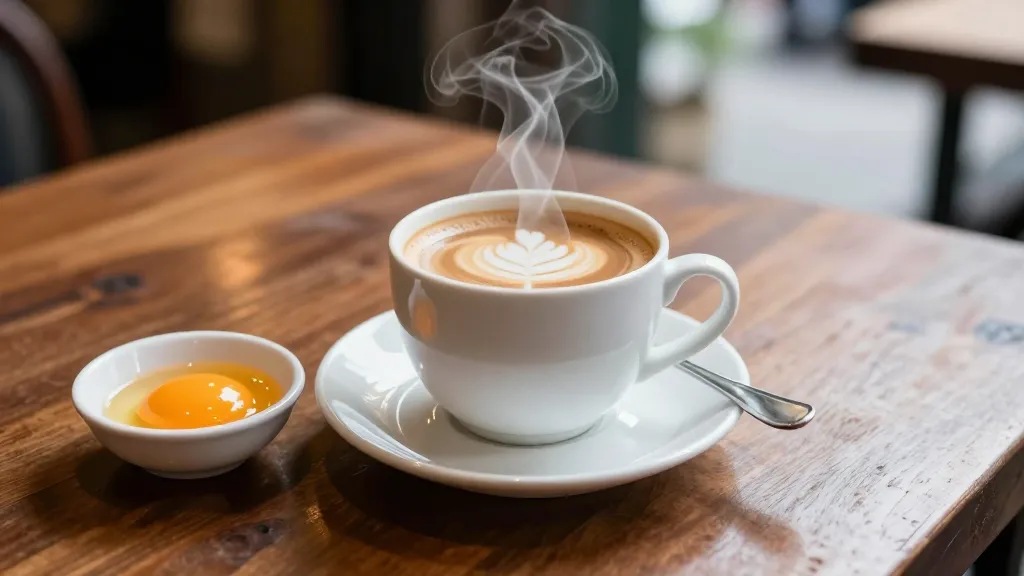
For travelers craving an authentic taste of Vietnam, coffee is more than a drink—it’s a cultural experience. Vietnamese coffee, known for its bold flavors and unique preparation methods, stands out among global coffee traditions. This Ultimate Guide to Vietnamese Coffee: Egg Coffee, Salt Coffee, and Phin Brew explores the rich heritage and distinct styles that define the country’s coffee culture. Whether you’re sipping a creamy Egg Coffee in Hanoi or enjoying the salty tang of Hue’s Salt Coffee, each cup tells a story of tradition and passion. From street-side vendors to cozy cafes, Vietnam offers a world of coffee adventures that are both unforgettable and deeply rooted in local life.
What Makes Vietnamese Coffee Unique?
Vietnamese coffee stands out globally for its bold flavors, robust character, and deep cultural roots. This unique coffee culture is shaped by the use of Robusta beans, traditional brewing methods, and the way coffee is integrated into everyday life. Whether enjoyed as a sweet treat in Hanoi or a savory twist in Hue, Vietnamese coffee reflects the country’s rich traditions and love for strong, aromatic brews.
The Role of Robusta Beans in Vietnamese Coffee
Vietnamese coffee is largely made from Robusta beans, which are known for their high caffeine content and intense, earthy flavor. Unlike the more delicate Arabica beans used in many global coffee blends, Robusta contributes a bold, full-bodied profile that is central to Vietnamese coffee’s character. The beans are often roasted to a dark level, enhancing their natural bitterness and creating a rich, almost burnt-sugar taste that defines Vietnamese coffee’s distinctiveness.
Cultural Significance of Coffee in Vietnam
Coffee in Vietnam is more than just a beverage—it is a social ritual that brings people together. From bustling street corners to family homes, coffee is a staple of daily life, often shared with friends or colleagues. The act of making and drinking coffee is seen as an opportunity for conversation and connection, making it an essential part of Vietnamese culture. This deep-rooted tradition is reflected in the variety of coffee styles, such as egg coffee and salt coffee, which are not only popular but also symbolize the creativity and resourcefulness of the Vietnamese people.
Understanding the Classics: Egg Coffee, Salt Coffee, and Phin Brew
Vietnamese coffee culture is defined by its bold flavors and unique preparation methods, with Egg Coffee, Salt Coffee, and Phin Brew standing out as iconic examples. Each drink reflects the country’s love for strong coffee combined with creative twists that make them distinct from global coffee traditions.
- Egg Coffee is a sweet and creamy drink made with condensed milk and egg yolks.
- Salt Coffee is a unique blend of coffee and salt, popular in the city of Hue.
- Phin brew is a traditional method of brewing coffee using a small metal filter.
- These three classics showcase the diversity and creativity of Vietnamese coffee culture.
How to Make Vietnamese Egg Coffee
Egg Coffee is a sweet and creamy drink made with condensed milk and egg yolks. The mixture is whisked until it becomes smooth and frothy, then combined with hot black coffee. This results in a rich, velvety texture that balances the bitterness of the coffee with the sweetness of the condensed milk. It is often served in a glass, making it a popular choice for those who enjoy a dessert-like coffee experience.
The Origins of Salt Coffee in Hue
Salt Coffee originated in the city of Hue and is a unique blend of coffee and salt. The addition of salt enhances the coffee’s natural bitterness, creating a bold and distinctive flavor. It is traditionally made with a strong brew of Robusta beans and a pinch of salt, making it a favorite among locals and visitors alike. The drink is often enjoyed during breakfast or as a morning pick-me-up, reflecting its deep-rooted place in Hue’s coffee culture.
Where to Find Authentic Vietnamese Coffee
For international travelers seeking authentic Vietnamese coffee experiences, knowing where to find the best brews is essential. Each region offers its own specialties, with Hanoi and Ho Chi Minh City being famous for egg coffee, while Hue is renowned for its salt coffee. Phin brew, a traditional method, is widely available in coffee shops across the country, making it easy to enjoy a genuine Vietnamese cup wherever you go.
- Top Egg Coffee Spots in Hanoi
- Salt Coffee in Hue: A Must-Try Experience
Top Egg Coffee Spots in Hanoi
Hanoi is the birthplace of egg coffee, and several iconic spots offer this rich, creamy drink. Pho 24 is a must-visit for its authentic preparation and nostalgic ambiance, while The Coffee House and The Hanoi Coffee Company are also popular choices. These cafes serve egg coffee with a thick layer of condensed milk and a splash of dark coffee, creating a velvety texture that’s a favorite among locals and visitors alike.
Salt Coffee in Hue: A Must-Try Experience
Salt coffee, a unique specialty of Hue, is best experienced in the Old Quarter. This distinctive brew is made by adding a pinch of salt to the coffee, enhancing its flavor and balancing the bitterness. Traditional cafes like Trung Nguyen Coffee and The Coffee House in Hue offer this drink, often served in small cups with a side of crispy banh mi. Trying salt coffee in Hue is a must for anyone looking to savor Vietnam’s coffee culture beyond the mainstream.
How to Brew Vietnamese Coffee at Home
Brewing Vietnamese coffee at home is a rewarding way to enjoy its rich flavors and unique preparation methods. Whether you're making egg coffee, phin brew, or salt coffee, the process involves careful attention to ingredients and technique. With the right tools and a bit of practice, you can recreate these beloved Vietnamese specialties in your own kitchen.
Egg Coffee Recipe for Home Brews
To make egg coffee at home, start by grinding medium-coarse coffee beans and brewing them with hot water. Once the coffee is brewed, add a raw egg yolk to the hot liquid and stir gently until the yolk is fully incorporated. The result is a creamy, silky coffee with a rich, velvety texture. Some variations may include a small amount of sugar or condensed milk to enhance the flavor, but the essence lies in the combination of brewed coffee and egg.
Tips for Brewing Phin Coffee Successfully
Brewing phin coffee requires a phin filter and patience. Start by placing the filter over a cup and adding finely ground coffee. Pour hot water into the filter and let it drip through slowly, allowing the coffee to steep for several minutes. The process can take up to 5 to 7 minutes, depending on the desired strength. The key to a great phin brew is consistency—using the right grind size and maintaining a steady drip rate will yield a smooth, full-bodied cup that captures the essence of Vietnamese coffee culture.
Tips for Enjoying Vietnamese Coffee Like a Local
To truly appreciate Vietnamese coffee, pair your drink with a traditional snack like a banh mi or a sweet treat such as a coconut cake or a Vietnamese chocolate bar. These accompaniments complement the bold flavors of the coffee and enhance the overall experience. The combination of rich coffee and savory or sweet elements is a staple of local coffee culture, offering a more rounded and satisfying taste.
Understanding the local coffee culture is essential to enjoying Vietnamese coffee like a native. Each drink has its own history and significance, from the creamy texture of egg coffee to the salty kick of salt coffee. Learning about these traditions, such as the ritual of brewing phin coffee, can deepen your appreciation and make your visit more meaningful. Engaging with locals or reading about the origins of these brews adds depth to your experience.
Exploring variations of the same coffee can reveal a wide range of flavors and techniques. For instance, trying different brands of phin coffee or experimenting with the ratio of coffee to water can change the taste significantly. Similarly, variations in egg coffee recipes, such as using different types of milk or egg yolks, offer new dimensions to the classic drink. Embracing these small differences allows you to discover new favorites and truly savor the diversity of Vietnamese coffee.
Frequently Asked Questions
Is egg coffee healthy to drink regularly?
Egg coffee is rich in calories and fat due to the egg yolk. Drinking it regularly may not be ideal for those watching their diet, but in moderation, it can be enjoyed as part of a balanced lifestyle.
Can I make salt coffee without using salt?
Salt coffee is defined by its salty taste, so omitting salt would change the essence of the drink. However, you can experiment with other seasonings if you prefer a different flavor profile.
How long does it take to brew phin coffee?
Brewing phin coffee typically takes 3 to 5 minutes, depending on the strength and desired flavor. It’s a slow process that allows the coffee to steep and develop its signature taste.
Are there any coffee shops that serve all three types of Vietnamese coffee?
Some specialty cafes in major cities like Hanoi and Hue may offer all three types of Vietnamese coffee. It’s best to check reviews or ask locals for recommendations.
Final Thoughts on Vietnamese Coffee
Vietnamese coffee offers a unique blend of flavors and traditions, from the creamy richness of egg coffee to the bold taste of phin brew. Exploring these varieties allows you to experience the country’s rich coffee culture firsthand.
To truly appreciate Vietnamese coffee, try it in its authentic form at local cafes or recreate the experience at home. Whether you're sipping on a classic or experimenting with new recipes, the journey is as rewarding as the cup itself.