Hanoi vs Saigon Pho: Key Differences in Broth, Noodles, and Herbs
 vietgo7 min read
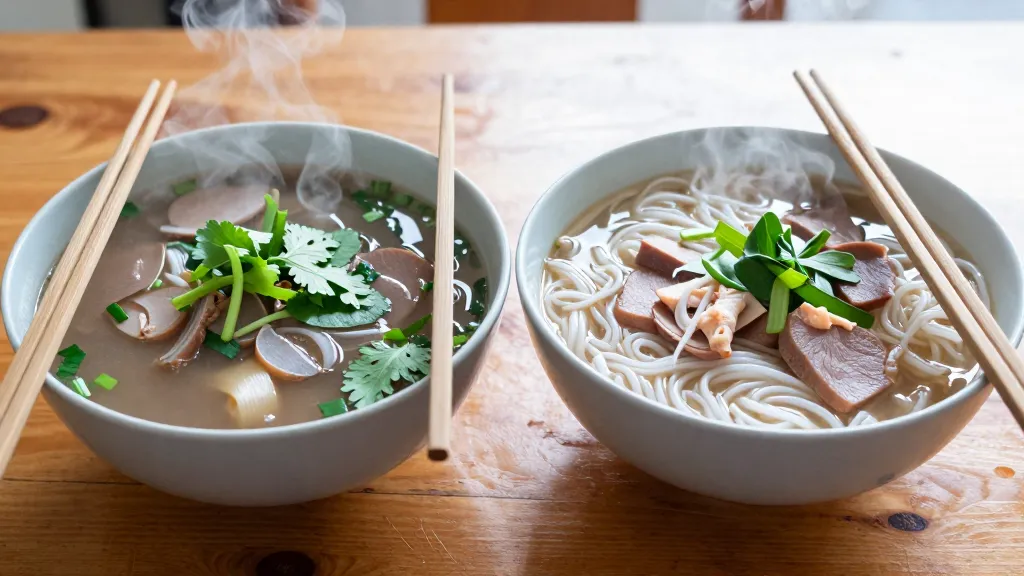
For travelers exploring Vietnam, one of the most iconic culinary experiences is pho — a fragrant rice noodle soup that varies greatly between regions. Whether you're in Hanoi or Saigon, the way pho is made reflects the local culture and ingredients, making each version unique. This article explores the key differences between Hanoi vs Saigon pho, focusing on broth, noodles, and herbs to help you choose the best version for your taste. Understanding these distinctions can enhance your dining experience and ensure you savor the authentic flavors of each city.
Understanding the Pho Experience in Vietnam
Pho is more than a meal—it's a symbol of Vietnam's culinary heritage and a reflection of its diverse regional identities. As a staple of Vietnamese cuisine, it varies significantly between Hanoi and Ho Chi Minh City, offering travelers a unique way to experience the country's cultural and historical depth through food.
The Cultural Significance of Pho in Vietnam
Pho holds a revered place in Vietnamese culture, often associated with daily life, street culture, and national pride. Its origins trace back to the late 19th century, when it was created by Vietnamese immigrants in Paris, blending French techniques with traditional ingredients. Today, pho is a symbol of resilience and adaptation, representing both the country's history and its ability to innovate while preserving tradition.
How Regional Ingredients Shape Pho Styles
The distinct pho styles of Hanoi and Saigon are shaped by the availability of local ingredients and cooking methods. Hanoi's version is influenced by the region's cold climate and access to fresh herbs, resulting in a more delicate and aromatic broth. In contrast, Saigon's pho reflects the tropical climate and abundance of spices, leading to a richer, more robust flavor profile. These differences highlight how geography and local agriculture play a crucial role in shaping regional food traditions.
Broth: The Heart of Pho
The broth is the soul of pho, and the differences between Hanoi and Saigon pho are most evident in their base. While both styles rely on simmering bones and spices, the ingredients, preparation, and serving temperatures set them apart, offering travelers a chance to experience the depth of Vietnam’s culinary diversity.
| Characteristic | Hanoi Pho | Saigon Pho |
|---|---|---|
| Primary Ingredients | Beef bones, spices, and sometimes pork | Chicken bones, pork, or a mix of meats |
| Simmering Time | Up to 12 hours for maximum depth | 6–8 hours for a lighter consistency |
| Spice Level | Moderate to intense, with star anise and ginger | Mild to medium, with less cinnamon and cloves |
| Serving Temperature | Warm to hot, often served with a splash of lime | Hot, with a preference for a slightly hotter broth |
Hanoi Pho Broth: Rich and Deep
Hanoi pho broth is a masterclass in slow cooking, where beef bones are simmered for hours to extract deep, umami-rich flavors. The base is enhanced with a blend of spices, including star anise, ginger, and cloves, creating a complex yet balanced taste. This method allows the broth to develop layers of aroma and flavor, making it a cornerstone of Hanoi’s culinary identity.
Saigon Pho Broth: Light and Flavorful
Saigon pho broth takes a different approach, focusing on a lighter, more aromatic profile. Instead of beef bones, it often uses chicken or a combination of meats, resulting in a broth that is less intense but more fragrant. The shorter simmering time and milder spice levels contribute to a drinkable, almost creamy texture, which is often served hotter to highlight its delicate flavors.
Noodles: Texture and Preparation
Noodles form a crucial part of the pho experience, with distinct characteristics in Hanoi and Saigon that reflect local culinary traditions. While both cities use rice noodles, their preparation and texture differ significantly, influencing how each pho is enjoyed.
Hanoi Noodles: Thin and Chewy
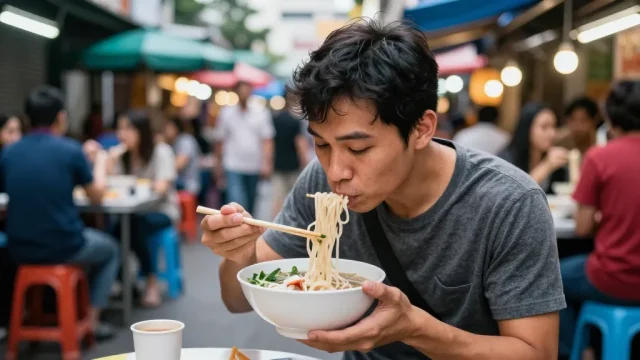
Hanoi pho relies on thin, flat rice noodles that are slightly chewy and require careful preparation to achieve the ideal texture. These noodles are often made from a blend of rice flour and water, resulting in a delicate yet firm consistency. In Hanoi, the noodles are typically soaked in cold water before being added to the broth, which helps them absorb flavor without becoming soggy. The chewiness of Hanoi noodles enhances the overall mouthfeel, complementing the rich and deep broth that is a hallmark of the city’s pho.
Saigon Noodles: Thick and Elastic
Saigon pho noodles are generally thicker and more elastic, providing a firmer bite that contrasts with the smoothness of the broth. These noodles are often made using a different technique that emphasizes texture and resilience, making them ideal for holding up to the spicier and more aromatic sauces commonly found in Saigon pho. The thickness of the noodles also allows for a more substantial portion, which is preferred by many locals. While the preparation methods vary slightly between the two cities, the emphasis on quality and local ingredients ensures that the noodles in both Hanoi and Saigon are crafted to enhance the overall pho experience.
Herbs and Garnishes: The Final Touch
Herbs and garnishes play a vital role in enhancing the flavor and texture of pho, offering a final touch that reflects regional preferences. Whether you're in Hanoi or Saigon, the way your pho is garnished can significantly influence your overall experience.
- Fresh herbs like basil, mint, and coriander are commonly used in Hanoi pho.
- Lime is often squeezed over the bowl to add brightness and acidity.
- Saigon pho may include chili, green onions, and pickled vegetables for extra heat and tang.
- The garnishing style reflects local tastes and can influence the overall flavor profile.
Hanoi Pho Garnishes: Fresh and Simple
Hanoi pho garnishes are typically fresh and simple, emphasizing the natural flavors of the ingredients. Basil, mint, and coriander are often added just before serving, providing a crisp and aromatic finish. Lime is commonly squeezed over the bowl to enhance the depth of the broth and balance its richness.
Saigon Pho Garnishes: Spicy and Bold
Saigon pho garnishes are spicier and more adventurous, reflecting the bold flavors of the region. Chili, green onions, and pickled vegetables are frequently included to add heat and tanginess. These ingredients not only elevate the taste but also offer a contrast to the broth, making each spoonful more vibrant and satisfying.
Choosing the Best Pho: A Traveler’s Guide
Both Hanoi and Saigon offer world-class pho, but the choice depends on personal taste and local experiences. Hanoi pho is renowned for its rich, deep broth made from simmering bones and spices, while Saigon pho features a lighter, more aromatic base that highlights the region’s fresh ingredients. Travelers should consider what kind of flavor profile they prefer—whether they enjoy a hearty, traditional broth or a more delicate, herb-forward version. Each city’s pho style reflects its unique cultural and culinary heritage, making both worth exploring.
Visitors should try both styles to appreciate the regional diversity in Vietnamese cuisine. Hanoi’s pho is often served with thin, chewy noodles and a simple, fresh garnish, while Saigon’s version boasts thick, elastic noodles and a bold mix of herbs and spices. Sampling both can provide a deeper understanding of how regional ingredients and cooking techniques shape the nation’s food identity. Whether you’re a fan of bold flavors or subtle complexity, each city offers a distinct and authentic pho experience.
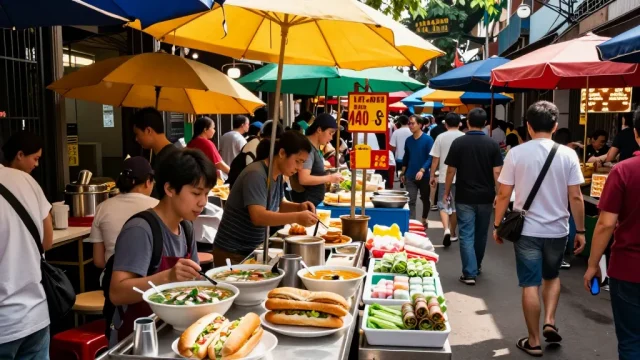
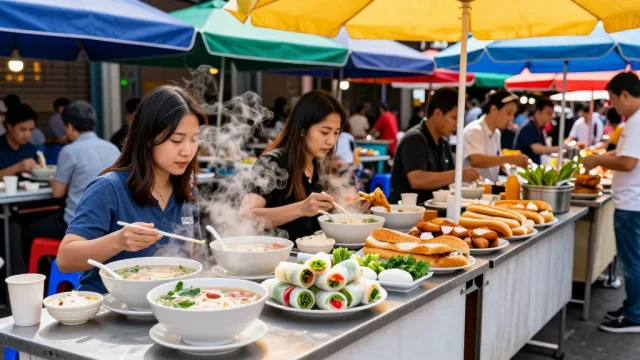
Local recommendations and street food spots can help travelers find the best pho in each city. In Hanoi, markets like Hoa Binh and street vendors near the Old Quarter are known for their traditional pho, while Saigon’s Ben Thanh Market and Banh Mi streets offer a variety of pho styles. Asking locals for their favorites or following food blogs and travel guides can lead to hidden gems that showcase the city’s culinary traditions. Ultimately, the best pho is the one that delights your palate and connects you with the local culture.
Frequently Asked Questions
What are the main differences between Hanoi and Saigon pho?
Hanoi pho is known for its rich, deep broth made with beef bones and spices, while Saigon pho has a lighter, more aromatic broth with a hint of lemongrass. Hanoi noodles are thin and chewy, whereas Saigon noodles are thicker and more elastic. Garnishes also differ, with Hanoi offering fresh herbs and Saigon adding spicy elements like chili.
Which pho is better, Hanoi or Saigon?
Neither is objectively better; it depends on personal taste. Hanoi pho appeals to those who prefer a hearty, traditional flavor, while Saigon pho suits those who enjoy a lighter, more aromatic dish. Trying both offers a complete Vietnamese pho experience.
How do the ingredients in Hanoi and Saigon pho differ?
Hanoi pho uses beef bones, spices, and rice noodles, creating a robust flavor. Saigon pho incorporates lemongrass, shallots, and thicker rice noodles for a more fragrant, balanced taste. Both use fresh herbs and garnishes but with regional variations.
What should I look for when trying pho in Vietnam?
Look for a clear, aromatic broth, fresh herbs, and well-prepared noodles. In Hanoi, prioritize rich, deep flavors; in Saigon, seek lighter, more fragrant dishes. Ask for recommendations based on your preferences to enhance your experience.
Final Thoughts on Hanoi vs Saigon Pho
Understanding the differences between Hanoi and Saigon pho allows travelers to appreciate Vietnam's diverse culinary heritage. Each city offers a unique taste, shaped by local ingredients and traditions. Exploring both styles provides a comprehensive pho experience.
To make the most of your pho journey, visit both Hanoi and Saigon. Try local specialties and ask for recommendations. With this guide, you can confidently choose where to savor the best pho in Vietnam.