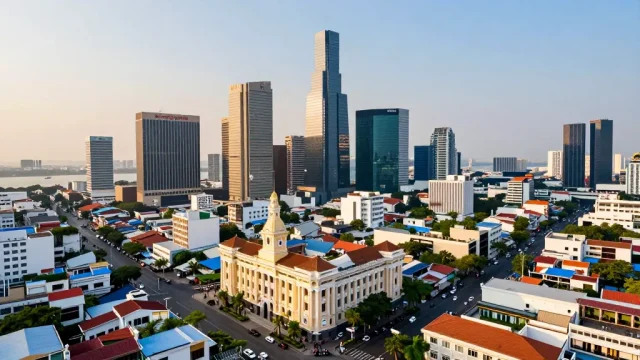
3-Week Vietnam Itinerary: Slow Travel Route Covering Hidden Gems and Islands
 vietgo8 min read
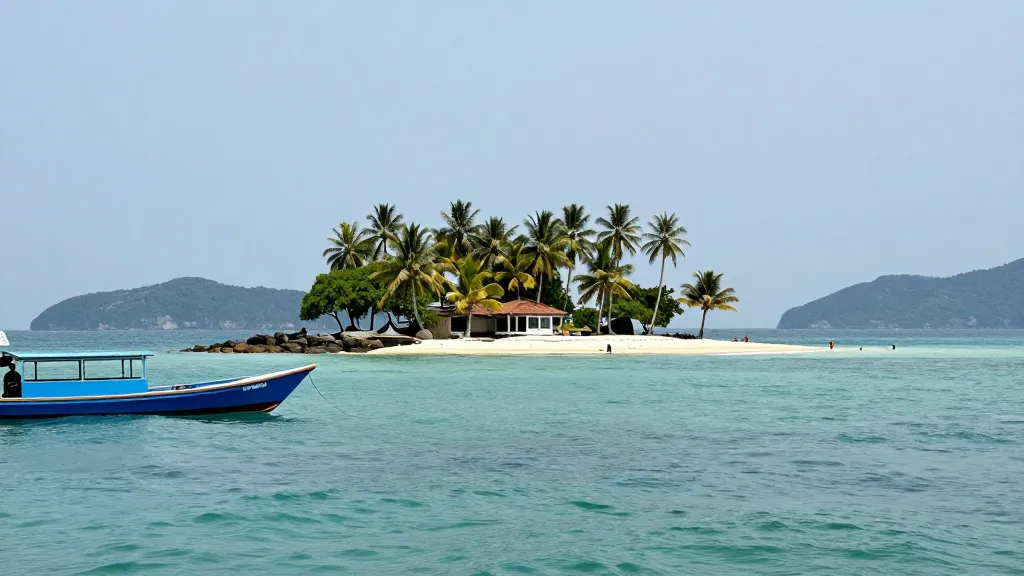
If you're looking for a 3-Week Vietnam Itinerary: Slow Travel Route Covering Hidden Gems and Islands, you're in the right place. This extended journey offers a perfect balance of cultural immersion, natural beauty, and off-the-beaten-path exploration. Instead of rushing through major cities, this itinerary encourages you to slow down, savor the landscapes, and connect with local communities. From the bustling streets of Hanoi to the serene islands of the South, every day is designed to deepen your understanding of Vietnam's diverse charm.
The 3-week plan is structured to take you through some of Vietnam’s most enchanting regions, including the Mekong Delta, Central Vietnam, and the northern highlands. Each destination is chosen for its unique cultural offerings and natural wonders, ensuring a rich and meaningful travel experience. Whether you're a backpacker or a digital nomad, this itinerary allows you to explore at your own pace and discover the lesser-known treasures of Vietnam.
To make the most of your trip, this guide includes practical tips on budgeting, transportation, and staying flexible. You’ll also find recommendations for hidden gems and local experiences that help you avoid the crowds and truly immerse yourself in the country’s culture. With this 3-Week Vietnam Itinerary, you’ll create memories that last long after your journey ends.
Why Choose a 3-Week Vietnam Itinerary for Slow Travel
A 3-week Vietnam itinerary offers the perfect balance of cultural immersion and natural exploration, allowing travelers to experience the country’s rich heritage without the stress of a rushed schedule. This extended timeframe enables deeper connections with local communities, the discovery of lesser-known destinations, and the appreciation of Vietnam’s diverse landscapes, from bustling cities to serene islands.
Balancing Culture and Nature
Balancing culture and nature is central to a successful 3-week Vietnam itinerary. Travelers can spend time in historic cities like Hanoi and Hue, where ancient temples and royal palaces provide insight into Vietnam’s past, while also exploring natural wonders such as the Mekong Delta and the coastal islands of Phu Quoc. This mix ensures a well-rounded experience that reflects the country’s cultural depth and natural beauty.
The Benefits of Slow Travel in Vietnam
Slow travel in Vietnam allows for a more meaningful and sustainable experience. By taking time to interact with locals, sample regional cuisine, and engage with traditional crafts, travelers can gain a deeper understanding of Vietnamese life. This approach also reduces the environmental impact of tourism, as it encourages mindful exploration and respect for the country’s ecosystems and heritage.
Route Overview: A 3-Week Vietnam Slow Travel Itinerary
This 3-week Vietnam itinerary is designed to offer a slow, immersive journey through the country’s rich cultural heritage, natural beauty, and hidden gems. Starting in Hanoi, travelers will gradually move through the Mekong Delta, central Vietnam, and its islands before ending in the mountainous Ha Giang region, ensuring a balanced mix of history, nature, and adventure.
Hanoi and the Mekong Delta
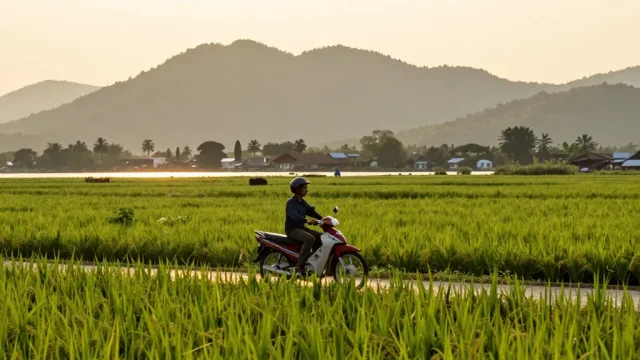
The journey begins in Hanoi, Vietnam’s cultural capital, where ancient temples, French colonial architecture, and bustling markets set the tone for slow travel. From here, travelers will travel south to the Mekong Delta, a vast network of rivers and islands that offers a glimpse into rural life, local cuisine, and serene waterways. This region is ideal for slow exploration, with opportunities to stay in traditional stilt houses and engage with local communities.
Central Vietnam and Island Exploration
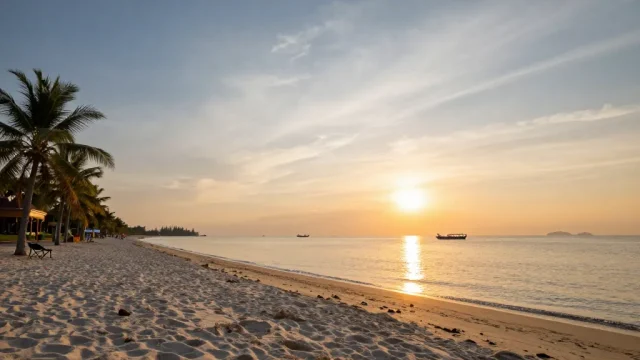
Moving to central Vietnam, the itinerary includes the coastal towns of Nha Trang and Da Nang, where travelers can enjoy beaches, historical sites, and scenic landscapes. A highlight is the island of Phu Quoc, known for its pristine beaches, national park, and unique cultural experiences. The itinerary also incorporates a visit to Con Dao, a remote island with historical significance and natural beauty, offering a more off-the-beaten-path experience.
Ha Giang and Final Reflections
The final leg of the journey takes travelers to Ha Giang, a scenic region in the northwestern part of Vietnam. Known for its dramatic landscapes, ethnic minority villages, and mountain trails, Ha Giang offers a peaceful conclusion to the itinerary. This section allows for reflection on the experiences gained throughout the trip, while also providing a chance to savor the tranquility of Vietnam’s mountainous terrain.
Detailed Daily Plan for Your 3-Week Vietnam Itinerary
This 3-week Vietnam itinerary is designed to offer a balanced mix of cultural immersion, natural beauty, and local engagement. Each day is crafted to provide depth and authenticity, allowing travelers to connect with the country's rich heritage and hidden landscapes without the rush of typical tourist routes.
- Week 1: Hanoi to the Mekong Delta
- Week 2: Central Vietnam and Islands
- Week 3: Ha Giang and Return
Week 1: Hanoi to the Mekong Delta
Week 1 begins in Hanoi, where you can explore the city's colonial architecture, visit the Ho Chi Minh Mausoleum, and enjoy traditional pho at local markets. From Hanoi, head to the Mekong Delta, where you'll take a boat tour through floating markets, visit local villages, and experience the vibrant culture of the region.
Week 2: Central Vietnam and Islands
Week 2 takes you to central Vietnam, where you'll visit Hue and Hoi An. In Hue, explore the Imperial City and the mausoleum of Emperor Tu Duc. In Hoi An, stroll through the lantern-lit streets and participate in a cooking class. The week also includes a trip to nearby islands like Cui Rong, where you can snorkel and relax on pristine beaches.
Week 3: Ha Giang and Return
Week 3 is dedicated to Ha Giang, a remote region known for its stunning landscapes and ethnic minority cultures. Spend time in Dong Van, where you'll hike through rice terraces and visit local villages. The final days are spent reflecting on your journey, with opportunities for last-minute market visits and farewell meals with locals.
Tips for Planning a Slow Travel 3-Week Vietnam Itinerary
Planning a slow travel 3-week Vietnam itinerary requires careful consideration of budgeting, transportation, and flexibility to fully embrace the country's cultural and natural offerings.
- Book accommodation in advance to secure budget-friendly options.
- Use public transport or local guides for an authentic experience.
- Stay flexible to adjust plans based on local conditions and personal interests.
Budgeting and Accommodation
Budgeting and accommodation are key to making your 3-week Vietnam itinerary both affordable and enjoyable. Booking in advance allows you to secure budget-friendly options in popular destinations like Hanoi, Hue, and Da Nang. Opt for guesthouses, homestays, or eco-lodges that offer a local touch and often include breakfast. These choices not only save costs but also provide a more immersive experience, helping you connect with the local culture and community.
Transportation and Local Guides
Transportation in Vietnam can be a mix of public and private options, each offering a unique way to explore the country. Public transport, such as buses, trains, and ferries, is cost-effective but may be less comfortable for long distances. Hiring a local guide, especially for off-the-beaten-path destinations, can provide deeper insights and access to hidden gems. Guides can also help navigate the complex transportation network, ensuring you reach your destinations efficiently and safely.
Staying Flexible and Adaptable
Staying flexible is crucial for a slow travel experience in Vietnam. While having a general itinerary is helpful, being open to last-minute changes can lead to unexpected discoveries. For example, a sudden rainstorm might lead you to a local café or a spontaneous visit to a nearby village. Flexibility also helps adapt to local events, festivals, or changes in travel schedules, allowing for a more authentic and enriching journey.
Avoiding the Crowds: Hidden Gems and Off-the-Beaten-Path Experiences
Avoiding the crowds is key to unlocking the true essence of Vietnam. By venturing beyond the well-trodden tourist paths, travelers can discover authentic local experiences, from bustling markets to serene cultural villages and secluded islands. These hidden gems offer a deeper connection to the country’s traditions and landscapes, allowing for a more meaningful and immersive journey.
Finding Hidden Gems in Vietnam
To find hidden gems in Vietnam, focus on lesser-known regions and local recommendations. Instead of heading straight to popular attractions like Ha Long Bay or Hoi An, consider exploring the tranquil floating markets of Cai Rang in the Mekong Delta or the remote villages of Quang Binh. These areas often remain untouched by mass tourism, offering a more authentic glimpse into daily life and local culture. Engaging with local guides or residents can lead to unique experiences, such as visiting family-run farms or participating in traditional craft workshops.
Local Experiences and Cultural Immersion
Cultural immersion is at the heart of slow travel in Vietnam. Spending time in local markets, such as the vibrant ones in Hanoi or Hue, allows travelers to interact with artisans, sample fresh produce, and learn about traditional practices. Similarly, staying in homestays or guesthouses run by local families provides an opportunity to experience daily routines, share stories, and build genuine connections. These interactions not only enrich the travel experience but also support local economies and foster mutual respect between travelers and residents.
Frequently Asked Questions
How do I plan a 3-week Vietnam itinerary that focuses on slow travel?
Focus on cultural immersion and nature by prioritizing off-the-beaten-path destinations. Allocate time for local experiences, such as homestays, food tours, and rural exploration. Allow flexibility in your schedule to fully appreciate the pace of slow travel.
What are the best hidden gems to visit in Vietnam during a 3-week trip?
Visit lesser-known regions like Ha Giang, the Mekong Delta, and the Central Highlands. Explore hidden islands such as Con Dao and Phu Quoc, and immerse yourself in local culture through village tours and traditional markets.
Can I visit both islands and mainland locations in a 3-week Vietnam itinerary?
Yes, a 3-week itinerary allows for both mainland exploration and island visits. Plan to spend the first two weeks on the mainland, including Hanoi, the Mekong Delta, and Central Vietnam, then allocate the final week to island destinations.
What should I pack for a 3-week slow travel trip in Vietnam?
Pack lightweight, breathable clothing for the tropical climate. Include comfortable walking shoes, a reusable water bottle, and travel-sized toiletries. Bring a notebook or camera for documenting experiences and a light jacket for cooler mountain areas.
Final Thoughts
A 3-week Vietnam itinerary allows you to experience the country at a relaxed pace, immersing yourself in culture, nature, and hidden gems. Prioritize local experiences and flexibility to make the most of your journey.
Plan your trip with a balance of mainland and island exploration, and be ready to adapt to the rhythm of slow travel. Start by choosing your destinations and booking accommodations that align with your interests.