Bun Cha Hanoi Guide: What It Is and Where to Eat Like a Local
 vietgo7 min read
If you're looking for an authentic taste of Hanoi, Bun Cha Hanoi Guide: What It Is and Where to Eat Like a Local will be your go-to resource. This iconic street food dish is more than just a meal—it’s a cultural experience that reflects the heart of Vietnamese cuisine. Whether you're a foodie or a first-time visitor, understanding what Bun Cha Hanoi is and where to eat it like a local can transform your trip into an unforgettable adventure. In this guide, we’ll take you through the history, ingredients, and serving style of Bun Cha Hanoi, along with top spots and tips to help you enjoy it safely and authentically.
What Is Bun Cha Hanoi and Why It's a Must-Try
Bun Cha Hanoi is a beloved traditional Vietnamese dish that has become a cornerstone of Hanoi's street food culture. This dish, known for its fresh ingredients and simple yet satisfying flavors, offers a unique taste of local authenticity. It combines grilled pork, rice noodles, and an array of fresh herbs, creating a dish that is both comforting and vibrant.
History and Origin of Bun Cha Hanoi
Bun Cha Hanoi originated in Hanoi and has deep roots in the city's culinary traditions. Its history dates back several decades, with the dish evolving from humble beginnings to a staple of local street food. The preparation method, which involves grilling pork over charcoal, has remained largely unchanged, preserving the dish's traditional essence. This method imparts a smoky aroma and a tender texture to the pork, making it a standout feature of the dish.
Ingredients and Serving Style
The ingredients of Bun Cha Hanoi are carefully selected to ensure freshness and flavor. The dish typically includes grilled pork, rice noodles, and a medley of fresh herbs such as basil, mint, and cilantro. These ingredients are combined with a dipping sauce made from fish sauce, lime, and chili, which adds a zesty contrast to the dish. The serving style is straightforward, with the components arranged neatly on a plate, allowing diners to mix and match their preferences. This simplicity highlights the natural flavors of the ingredients, making Bun Cha Hanoi a perfect representation of Vietnamese street food.
How to Eat Bun Cha Like a Local
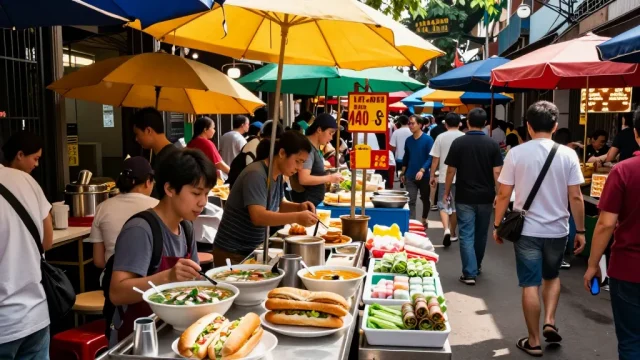
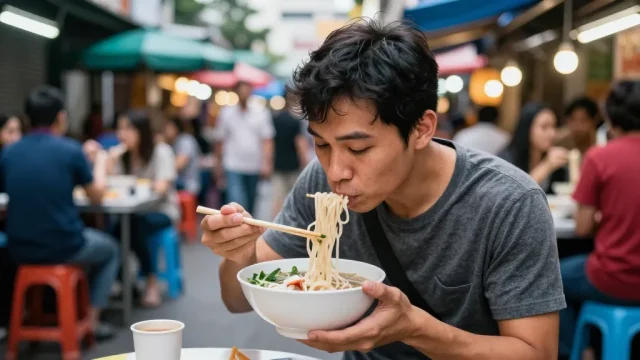
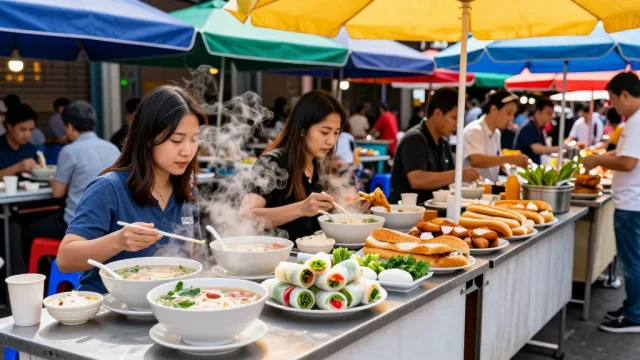
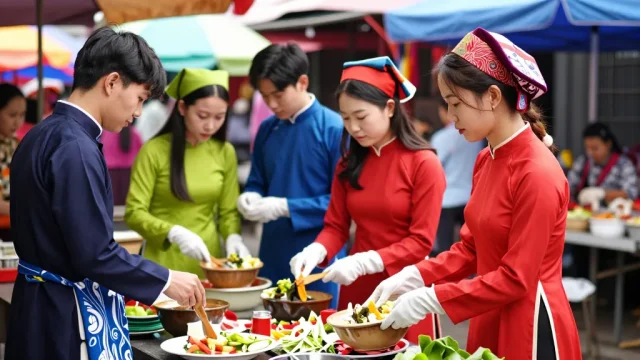
To truly experience Bun Cha Hanoi like a local, start by ordering from a street food cart or local market stall. These vendors often offer the most authentic flavors and preparation methods, passed down through generations. Avoid chain restaurants or tourist-friendly spots, as they may lack the traditional touch that defines this dish. The atmosphere is lively and bustling, making it an essential part of the experience.
- Order from a street food cart or local market stall for the most authentic experience.
- Use your hands to eat the pork and vegetables, as it's meant to be eaten with the fingers.
- Pair it with a cold beer or iced coffee for the perfect balance of flavors.
- Engage with the vendor to learn about the dish and its history, as this adds depth to your meal.
Where to Eat Bun Cha Hanoi Like a Local
Finding the best Bun Cha Hanoi involves knowing where to look and what to watch for. Authentic stalls often serve fresh, crispy pork and an array of fresh herbs, making them ideal for an immersive street food experience. To ensure you’re eating like a local, focus on areas frequented by residents and avoid overly touristy spots that may compromise on quality.
Top Bun Cha Hanoi Street Food Spots in Hanoi
Among the most celebrated Bun Cha Hanoi spots in Hanoi, Pho Xanh stands out for its traditional preparation and generous portions. The stall is known for its crispy pork and fresh herbs, making it a favorite among locals. Another top choice is Quan Cha Cuoi, which has been serving Bun Cha for decades and is praised for its authentic flavors and consistent quality. These stalls are often bustling with customers, a clear sign of their popularity and reliability.
Local Recommendations From Residents
Residents often recommend sticking to neighborhoods like Old Quarter or Hang Ma for the most genuine Bun Cha experience. These areas are rich in local culture and have a long history of street food vendors. Locals tend to frequent stalls that have been around for years, avoiding newer spots that may not maintain the same level of authenticity. By following these recommendations, travelers can enjoy a more authentic and satisfying meal.
Tips for Enjoying Bun Cha Hanoi Safely and Sustainably
When enjoying Bun Cha Hanoi, it's important to prioritize hygiene to ensure a safe and pleasant experience. Always look for stalls that use clean utensils and serve food on fresh plates. If possible, avoid eating directly from the stall to reduce the risk of contamination. Opt for vendors that maintain a clean and organized workspace, as this often reflects their commitment to food safety.
- Use clean utensils and avoid eating directly from the stall if possible.
- Drink plenty of water or iced coffee to stay hydrated.
- Support local vendors to help sustain traditional food culture.
- Be mindful of portion sizes and eat at a comfortable pace.
- Respect local customs and etiquette while dining.
- Dispose of waste properly to help maintain cleanliness in public areas.
Staying hydrated is essential, especially in the warm climate of Hanoi. Drink plenty of water or enjoy a cup of iced coffee to stay refreshed and avoid dehydration. Many street food vendors offer iced coffee for a small fee, making it an affordable and convenient way to stay cool while exploring the city’s culinary scene.
Bun Cha Hanoi vs Other Vietnamese Street Foods
Bun Cha Hanoi stands out among Vietnamese street foods for its unique combination of grilled pork and fresh herbs. While it shares some commonalities with other dishes like pho and banh mi, its flavor profile, ingredients, and preparation methods set it apart. Understanding how Bun Cha differs from these staples can help travelers appreciate its distinct identity in Hanoi’s culinary landscape.
| Feature | Bun Cha Hanoi | Pho | Banh Mi |
|---|---|---|---|
| Main Protein | Grilled pork | Boiled beef or chicken | Sliced pork or chicken |
| Base | Rice noodles | Broth-based soup | French baguette |
| Herbs | Fresh, raw herbs | None | Pickled vegetables, cilantro |
| Spice Level | Spicy and savory | Mild | Moderately spicy |
| Serving Style | Street-side stall | Soup bowl | Sandwich |
Bun Cha Hanoi vs Pho
Bun Cha Hanoi and pho are both beloved Vietnamese staples, yet they cater to different tastes and occasions. While pho is a comforting, broth-based soup that highlights the depth of Vietnamese cuisine, Bun Cha offers a more vibrant and flavorful experience. The grilled pork in Bun Cha is often marinated with spices, giving it a savory and slightly smoky taste that contrasts with the mild, aromatic broth of pho. Both dishes are widely available, but Bun Cha is more commonly found in the bustling street markets and food stalls of Hanoi.
Bun Cha Hanoi vs Banh Mi
Although Bun Cha Hanoi and banh mi share some similarities, their differences are more pronounced. Both dishes feature grilled meat and fresh herbs, but Bun Cha’s signature pork is typically more tender and flavorful due to its marination process. Banh mi, on the other hand, uses a French baguette as its base, which gives it a different texture and structure. Bun Cha is often eaten on the go, while banh mi is a more portable option. Despite these differences, both dishes are popular in Hanoi, with Bun Cha holding a special place in the city's street food culture due to its bold flavors and fresh ingredients.
Frequently Asked Questions
What are the best times to eat Bun Cha Hanoi in Hanoi?
Bun Cha Hanoi is best enjoyed in the morning or late afternoon when street food vendors are most active. Avoid peak hours during midday to reduce crowds and wait times.
Can I eat Bun Cha Hanoi with chopsticks?
While you can use chopsticks to eat the rice and meat, it’s more common to use a fork and knife. The dish is typically served with condiments and pickles that are easy to handle with utensils.
Is Bun Cha Hanoi spicy or mild?
Bun Cha Hanoi is generally mild, with a focus on the flavors of the grilled pork and herbs. Some variations may include chili or vinegar, but it’s not typically spicy.
How much does a serving of Bun Cha Hanoi cost?
A serving of Bun Cha Hanoi typically ranges from 30,000 to 50,000 VND, depending on the location and quality of ingredients. It’s an affordable and popular choice for street food lovers.
Final Thoughts
Bun Cha Hanoi is a beloved street food that captures the essence of Hanoi’s culinary culture. Whether you're dining at a local market or a traditional restaurant, the dish offers a perfect blend of flavors and textures. To experience it authentically, visit bustling street food spots and engage with locals for the best recommendations.
Plan your visit to Hanoi with a Bun Cha Hanoi guide in hand, and you’ll uncover the city’s hidden culinary gems. Try the dish at its peak time and savor the flavors of Vietnam’s capital.