Hoi An Local Specialties: Cao Lau, White Rose Dumplings, and Mi Quang
 vietgo8 min read
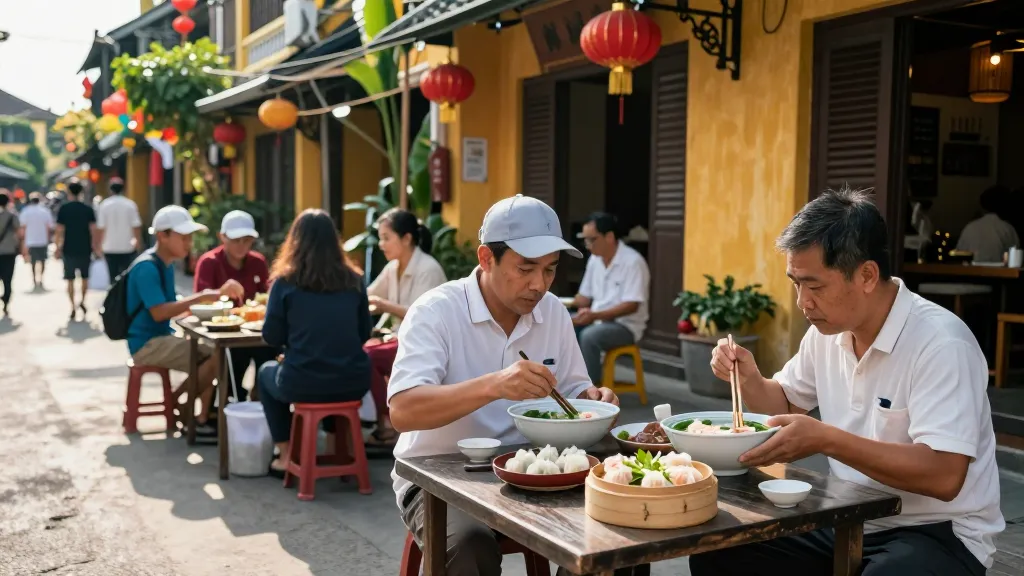
For travelers seeking an authentic taste of Vietnam, Hoi An offers a culinary journey unlike any other. Known for its rich history and vibrant culture, this ancient town is also a food lover’s paradise, where local specialties shine through every bite. Hoi An Local Specialties: Cao Lau, White Rose Dumplings, and Mi Quang are more than just dishes—they are a gateway to the region’s traditions and flavors. Whether you're a food enthusiast or simply looking to savor the best of Hoi An, this guide will help you navigate the town’s most iconic eats with confidence. From street-side stalls to family-run eateries, you’ll find everything you need to make the most of your culinary adventure in Hoi An.
Cao Lau, the town’s most famous dish, is a must-try for anyone looking to experience Hoi An’s unique food culture. This traditional noodle dish, made with rice noodles and a savory broth, is often served with fresh herbs and crispy pork. Pairing it with White Rose Dumplings, a beloved local snack, adds a delightful contrast in texture and flavor. Meanwhile, Mi Quang offers a different take on Vietnamese noodles, with its distinctive combination of rice vermicelli, lettuce, and a rich coconut-based broth. These dishes, each with their own story, are the heart of Hoi An’s local cuisine.
To fully enjoy Hoi An’s food scene, knowing where and how to eat is just as important as knowing what to order. This guide provides practical tips for navigating the town’s food markets, finding budget-friendly options, and experiencing the local flavors without breaking the bank. Whether you’re craving a hearty bowl of Cao Lau or a fresh White Rose Dumpling, Hoi An’s local specialties are waiting to be discovered. With the right knowledge, your culinary experience in Hoi An will be nothing short of unforgettable.
Exploring Hoi An's Unique Local Cuisine
Hoi An’s local cuisine is a vibrant reflection of its rich history and cultural fusion, offering travelers a unique opportunity to taste the soul of the region. With its blend of Vietnamese, Chinese, and French influences, the town’s food scene is both diverse and authentic, making it a must-visit destination for anyone passionate about culinary exploration.
Why Hoi An Stands Out in Vietnamese Cuisine
Hoi An stands out in Vietnamese cuisine due to its distinct blend of flavors and ingredients shaped by centuries of trade and cultural exchange. The town’s proximity to the sea and its historical role as a trading hub have influenced its food culture, resulting in a unique mix of fresh seafood, aromatic herbs, and traditional cooking methods. This diversity is evident in the variety of dishes available, from street food to family-run eateries, each offering a taste of Hoi An’s heritage.
A Food Lover’s Guide to Hoi An
For food lovers, Hoi An is a treasure trove of authentic and flavorful experiences. The town’s narrow streets are lined with local markets and small family-run restaurants, where you can find everything from fresh seafood to traditional rice noodles. Exploring these culinary gems not only allows you to savor the best of Hoi An but also provides insight into the daily lives and traditions of its people. Prioritizing authentic specialties ensures a deeper connection to the region’s culinary identity.
Cao Lau: The Iconic Noodle Dish of Hoi An
Cao Lau is a beloved local specialty in Hoi An, known for its distinctive texture and flavor. This dish has deep roots in the region’s culinary heritage and is a staple for both locals and visitors. Its unique combination of ingredients and preparation method makes it a must-try for anyone exploring Hoi An’s food scene.
What Is Cao Lau and Why It’s a Must-Try
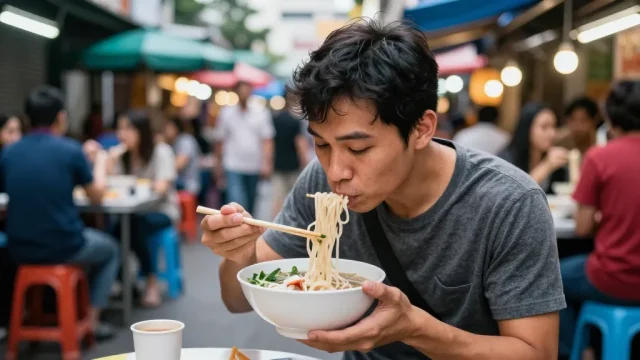
Cao Lau is a type of fresh noodle dish that originated in Hoi An, with its name translating to 'high noodles.' The dish consists of thin, chewy rice noodles served in a light broth made from pork bones and spices. The noodles are typically topped with slices of grilled pork, pickled vegetables, and fresh herbs. The dish is often accompanied by a side of crispy pork cracklings, which add a delightful crunch. Cao Lau is traditionally prepared using a slow-cooking method to ensure the broth is rich and aromatic, making it a favorite among locals.
Where to Find the Best Cao Lau in Hoi An
To experience the best Cao Lau in Hoi An, head to local warungs (small eateries) and street vendors. One highly recommended spot is the famous Pho 24, known for its authentic and flavorful version of the dish. Another popular choice is Pho Hoa, which offers a more traditional take on Cao Lau. For a more immersive experience, visit the Hoi An Old Town, where you can find small family-run eateries that serve the dish in its purest form. Be sure to try it with a side of fresh lime and chili to enhance the flavors.
White Rose Dumplings: A Delightful Local Treat
White Rose Dumplings are a beloved local delicacy in Hoi An, offering a unique blend of flavors and textures that reflect the region’s culinary heritage. These small, steamed dumplings are a staple in the area and are often enjoyed as a quick snack or part of a larger meal. Their popularity stems from both their delicious taste and their affordability, making them a favorite among both locals and international visitors.
The Story Behind White Rose Dumplings
White Rose Dumplings are traditionally made with a delicate wrapper made from rice flour and water, giving them a soft and slightly chewy texture. The filling is a mixture of ground pork and shrimp, seasoned with a blend of local spices and herbs, including lemongrass, ginger, and chili. The result is a savory, slightly spicy filling that complements the tender wrapper perfectly. The dumplings are steamed, which preserves their moisture and enhances their flavor, creating a dish that is both comforting and satisfying.
Tips for Ordering and Eating White Rose Dumplings
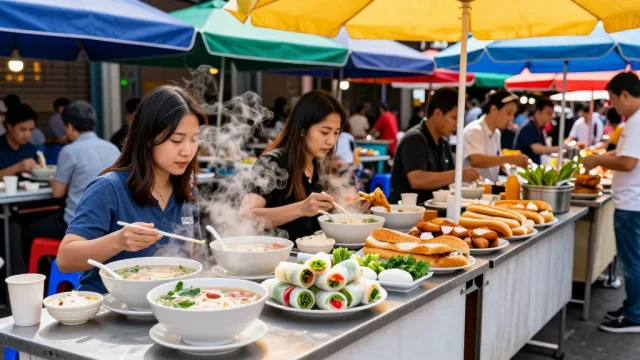
When ordering White Rose Dumplings, it’s best to ask for them to be served with a side of dipping sauce, which typically includes a mix of fish sauce, lime juice, and chili. This adds an extra layer of flavor and helps balance the richness of the filling. They are often sold in small portions, so it’s advisable to order a few to fully experience the dish. To enjoy them at their best, use chopsticks to pick them up and eat them while they are still warm, as the steamed texture is most enjoyable when fresh.
Mi Quang: A Flavorful Noodle Dish Worth Exploring
Mi Quang is a beloved noodle dish that showcases the rich culinary heritage of Hoi An. This dish blends traditional flavors with local ingredients to create a unique and satisfying meal that reflects the area's cultural diversity and history.
What Makes Mi Quang Unique
Mi Quang stands out for its combination of fresh ingredients and bold flavors. The dish features thin rice noodles served in a light, spicy broth made from shrimp paste, shrimp, and a variety of aromatic herbs. Topped with crispy shallots, pickled vegetables, and a drizzle of fish sauce, Mi Quang offers a balance of textures and tastes that is both comforting and exciting. The use of local seafood and vegetables highlights the region's connection to the sea and its agricultural roots, making it a staple of Hoi An's food culture.
Where to Try Authentic Mi Quang
To experience the best Mi Quang in Hoi An, visitors should head to local eateries that specialize in traditional dishes. One highly recommended spot is Pho 24, known for its authentic preparation and generous portions. Another popular choice is The Hoi An Heritage Restaurant, which offers a more refined dining experience with a focus on preserving traditional recipes. These places provide an excellent opportunity to savor the dish in its truest form, ensuring an authentic and memorable culinary experience.
Practical Tips for Enjoying Hoi An’s Local Food
Exploring Hoi An’s local food scene can be a delightful experience, but knowing where and when to eat can enhance your visit. With a variety of street vendors and markets, planning your meals wisely ensures you enjoy the best of Hoi An without unnecessary stress.
Navigating Hoi An’s Food Markets
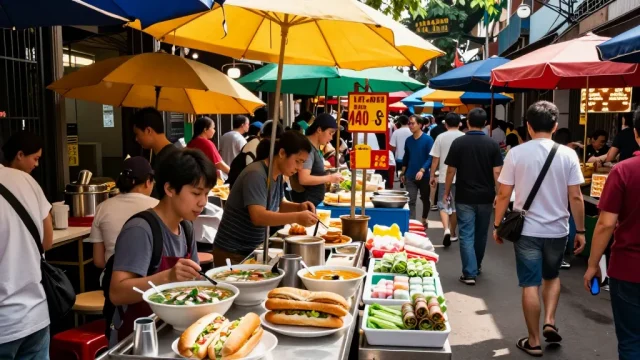
Hoi An’s food markets, such as the morning market near the river, are great places to sample fresh ingredients and local specialties. These markets operate early in the day, so arriving around 5:00 AM gives you access to the freshest produce and street food. While exploring, be mindful of the hustle and bustle, and always check for hygiene and cleanliness at stalls to ensure a safe and enjoyable meal.
Budget-Friendly Eats in Hoi An
For budget-friendly eats, opt for street food stalls and family-run eateries rather than tourist-oriented restaurants. Many local vendors offer delicious dishes at lower prices, especially during the early morning or late afternoon when tourist crowds are thinner. Try dishes like Cao Lau or White Rose Dumplings from small stalls, where you can enjoy authentic flavors without breaking the bank. Always ask for recommendations from locals to discover hidden gems that offer both value and taste.
Frequently Asked Questions
What is the best time of day to eat Cao Lau in Hoi An?
Cao Lau is best enjoyed in the early morning, as it is traditionally sold by street vendors and small eateries. The dish is often fresh and hot, making it a perfect start to your day in Hoi An.
Are there any vegetarian options for White Rose Dumplings?
White Rose Dumplings are traditionally meat-based, but some vendors may offer vegetarian versions upon request. It’s best to ask the vendor directly for customization options.
How do I know if a restaurant serves authentic Mi Quang?
Authentic Mi Quang is typically made with fresh rice noodles, a rich broth, and a variety of toppings. Look for restaurants that use local ingredients and have a reputation for traditional Vietnamese cuisine.
Can I find these dishes outside of Hoi An in Vietnam?
While Cao Lau and Mi Quang are unique to Hoi An, similar noodle dishes can be found in other parts of Vietnam. However, the specific flavors and preparation methods are most authentic in Hoi An itself.
Final Thoughts
Hoi An’s local specialties, including Cao Lau, White Rose Dumplings, and Mi Quang, offer a deep dive into the region’s rich culinary heritage. These dishes are not only delicious but also reflect the cultural and historical influences that shape Hoi An’s food scene.
To fully experience Hoi An’s cuisine, explore its bustling markets, try the best local eateries, and don’t hesitate to ask for recommendations. A visit to Hoi An is an unforgettable journey through Vietnam’s flavors.