Hue Royal Cuisine Guide: Bun Bo Hue, Banh Beo, and Nem Lui
 vietgo8 min read
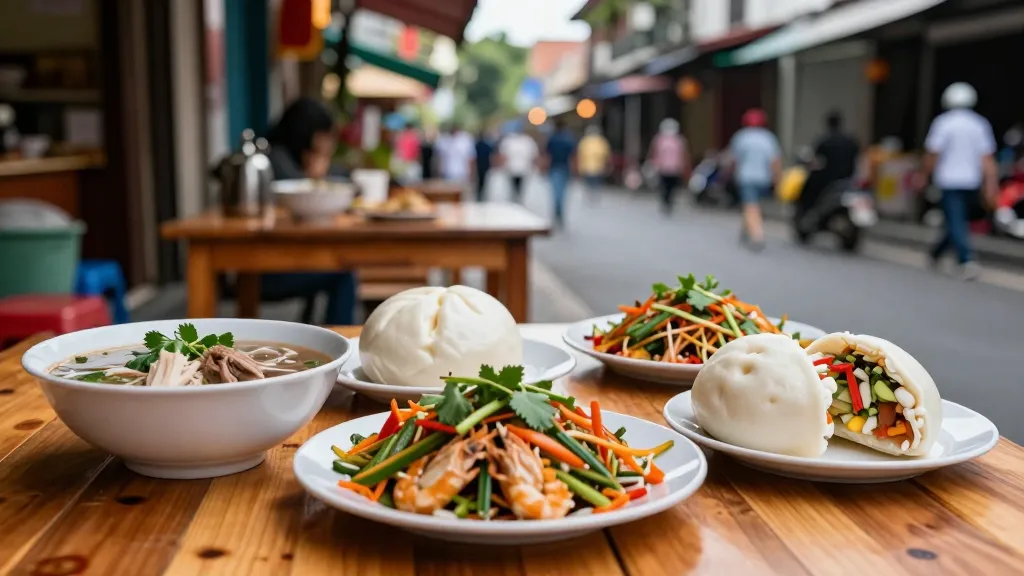
For travelers seeking an authentic taste of Vietnam's royal past, Hue offers a culinary journey through its imperial history. Known as the former imperial capital, Hue's cuisine reflects centuries of royal refinement, blending delicate flavors and traditional techniques. This Hue Royal Cuisine Guide: Bun Bo Hue, Banh Beo, and Nem Lui is your key to discovering the region's most iconic dishes. From the rich, spicy broth of Bun Bo Hue to the soft, savory steam of Banh Beo, each meal tells a story of culture and legacy. Whether you're a food enthusiast or simply curious about Vietnamese traditions, these dishes will leave a lasting impression. As you explore the flavors of Hue, you'll uncover more than just meals—you'll experience a piece of history on your plate.
Exploring Hue's Royal Cuisine: A Culinary Overview
Hue, the former imperial capital of Vietnam, is renowned for its royal cuisine, a culinary tradition deeply rooted in the legacy of the Nguyen Dynasty. This unique gastronomic culture reflects the region’s historical significance, blending refined techniques with local ingredients to create dishes that are both elegant and flavorful.
The Royal Heritage of Hue Cuisine
The Royal Heritage of Hue Cuisine is a testament to the city’s past as the seat of the Nguyen Dynasty, which ruled from the 19th century until the early 20th century. The royal court’s influence is evident in the meticulous preparation of dishes, the use of premium ingredients, and the emphasis on balance between flavors and textures. Many of these traditional recipes have been preserved through generations, passed down by royal chefs and local cooks who continue to honor their historical origins.
Why Hue Food Stands Out in Vietnam
Hue food stands out in Vietnam due to its distinct flavor profile and the way it captures the essence of the region’s history and culture. Unlike the more fiery and bold flavors of northern or southern Vietnamese cuisine, Hue dishes tend to be more refined, with a focus on umami and subtle seasoning. This culinary identity is shaped by the region’s fertile soil, access to fresh seafood, and the influence of royal kitchens that prioritized sophistication and artistry. As a result, Hue’s cuisine offers a unique and memorable experience for those exploring Vietnam’s diverse food culture.
Bun Bo Hue: The King of Hue Dishes
Bun Bo Hue is the iconic dish that defines Hue's royal cuisine, celebrated for its bold flavors and rich history. This dish combines tender meat, a spicy and aromatic broth, and rice vermicelli, creating a harmonious blend of textures and tastes. It is often accompanied by crispy rice crackers and lime, which enhance the dish's complexity. A must-try for first-time visitors, Bun Bo Hue offers an authentic taste of Hue's culinary heritage.
What Makes Bun Bo Hue Unique
Bun Bo Hue stands out due to its distinctive combination of ingredients and preparation. The dish typically features a thick, spicy broth made from lemongrass, shrimp paste, and fermented shrimp, which is simmered with pork or beef. The meat is slow-cooked to perfection, ensuring tenderness and deep flavor. The rice vermicelli, soaked and softened, absorbs the broth's richness, creating a satisfyingly chewy texture. This balance of heat, umami, and freshness makes Bun Bo Hue a standout in Vietnamese cuisine.
Where to Eat Bun Bo Hue in Hue
To experience authentic Bun Bo Hue, visitors should seek out local eateries and street food stalls in Hue. The Old Quarter and Phung Hung Street are renowned for their traditional restaurants that serve the dish in its purest form. Many places offer the option to customize the spice level, catering to both adventurous palates and those seeking a milder version. Dining at these spots allows travelers to appreciate the dish's cultural significance and the skill of local cooks who have mastered its preparation over generations.
Banh Beo: A Delightful Steamed Rice Cake
Banh Beo is a beloved staple of Hue's royal cuisine, known for its soft, fluffy texture and delicate flavor. This steamed rice cake, made from rice flour and water, is often enjoyed as a breakfast item in Hue, offering a perfect balance of simplicity and sophistication. Its preparation involves a careful process that ensures the rice cake remains light and tender, making it a favorite among locals and visitors alike.
How to Eat Banh Beo Correctly
To eat Banh Beo correctly, it's best to pair it with its traditional accompaniments. The rice cake is typically served with shrimp, pork, and a spicy dipping sauce made from chili, garlic, and lime. The dipping sauce is a key element, adding heat and depth to the mild flavor of the rice cake. It's customary to use a small spoon to scoop up the rice cake and dip it into the sauce, ensuring each bite is perfectly balanced.
Best Banh Beo Shops in Hue
Hue is home to several renowned Banh Beo shops, each offering its own unique twist on this classic dish. One of the most popular spots is Banh Beo Tam Thanh, known for its crispy texture and fresh ingredients. Another favorite is Banh Beo Huynh, where the rice cake is served with a rich, savory dipping sauce. Visitors should explore these local eateries to experience the true essence of Hue's royal cuisine. Trying Banh Beo at these spots is a must for anyone looking to savor the authentic flavors of the region.
Nem Lui: The Royal Spring Rolls
Nem Lui, also known as royal spring rolls, is a traditional dish that embodies the refined culinary traditions of the Nguyen Dynasty. This dish, with its delicate balance of flavors and textures, is a testament to the royal influence that shaped Hue's gastronomy. It is more than just a snack—it is a cultural symbol that captures the essence of Hue's royal past.
The History and Significance of Nem Lui
Nem Lui originated during the reign of the Nguyen Dynasty, when the royal court sought to create dishes that reflected both sophistication and abundance. The dish was traditionally prepared in the palace kitchens and served to nobility, showcasing the region’s access to fresh ingredients and skilled chefs. Its name, 'Nem Lui,' translates to 'royal spring rolls,' highlighting its prestigious status. The combination of minced pork, herbs, and rice noodles represents a careful selection of ingredients that were once reserved for the elite.
Where to Find Authentic Nem Lui
To experience authentic Nem Lui, visitors should seek out local eateries and markets in Hue, where traditional recipes are still passed down through generations. Many family-run shops offer a taste of the dish in its purest form, with each bite reflecting the care and craftsmanship of the chef. While modern variations may include additional fillings or sauces, the best versions remain true to their royal roots. Exploring the narrow alleys of Hue’s Old Quarter can lead to discovering hidden gems where the flavors of Nem Lui are preserved and celebrated.
Practical Tips for Enjoying Hue Cuisine
Enjoying Hue's royal cuisine requires more than just a taste for bold flavors—it involves navigating local customs and avoiding common pitfalls. With a few practical tips, travelers can enhance their dining experience, communicate effectively, and savor the true essence of Hue food.
- Learn basic Vietnamese phrases to order and communicate effectively.
- Be mindful of the heat in the dishes and adjust accordingly.
- Look for local favorites and avoid tourist traps by eating at family-run eateries.
Language Tips for Ordering in Hue
Learning a few basic Vietnamese phrases can make a world of difference when ordering food and interacting with locals. Simple greetings like 'Chào bạn' (Hello), 'Món này có bao nhiêu tiền?' (How much is this dish?), and 'Tôi muốn thử món…' (I would like to try…) go a long way in showing respect and making your meal more enjoyable. Many restaurants in Hue are happy to help you with orders, especially if you're polite and show interest in the local cuisine.
Avoiding Common Tourist Mistakes
Hue cuisine is known for its bold and spicy flavors, which can be overwhelming for first-time visitors. It's essential to start with milder dishes and gradually build up your tolerance. Many restaurants offer options to adjust spice levels, so don't hesitate to ask. If you're unsure about a dish, opt for a smaller portion or split it with a companion to avoid being overwhelmed by the heat.
To truly experience Hue's culinary culture, seek out family-run eateries rather than tourist-heavy spots. These local establishments often serve the most authentic versions of dishes like Bun Bo Hue, Banh Beo, and Nem Lui. They also provide a more genuine atmosphere and are often more affordable. Avoid places that cater primarily to tourists, as they may serve less traditional, more heavily spiced versions of the same dishes.
Frequently Asked Questions
What is the best time of day to try Banh Beo in Hue?
Banh Beo is best enjoyed in the early morning, as it's traditionally served fresh and hot. Many local vendors open early, offering a warm and aromatic experience.
Are there any vegetarian options in Hue's royal cuisine?
While Hue cuisine is rich in meat, there are vegetarian options available, such as tofu-based dishes and vegetable stir-fries. Many restaurants offer these upon request.
How spicy is Bun Bo Hue compared to other Vietnamese dishes?
Bun Bo Hue is generally spicier than other Vietnamese dishes, thanks to its bold use of chili and lemongrass. It's a fiery dish that reflects the region's love for heat.
Can I find these dishes outside of Hue, or are they specific to the region?
While some dishes like Nem Lui may be found in other parts of Vietnam, the most authentic versions are best experienced in Hue itself, where the royal heritage is strongest.
Final Thoughts on Hue's Royal Cuisine
Hue's royal cuisine offers a unique blend of history and flavor, with dishes like Bun Bo Hue, Banh Beo, and Nem Lui showcasing the region's culinary traditions. Whether you're a foodie or a traveler, these dishes are a must-try.
Plan your visit to Hue with a focus on local food markets and family-run eateries for the most authentic experience. Let the flavors of Hue guide your journey through this cultural gem.