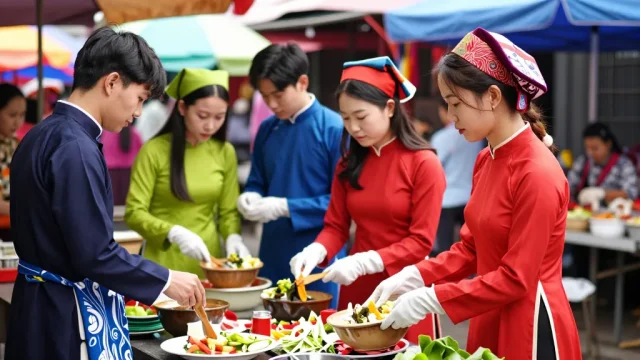
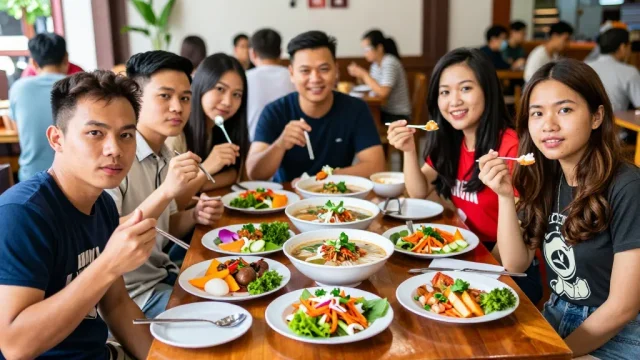
Vegetarian and Vegan Food Guide to Vietnam: Eating Plant-Based Easily
 vietgo8 min read
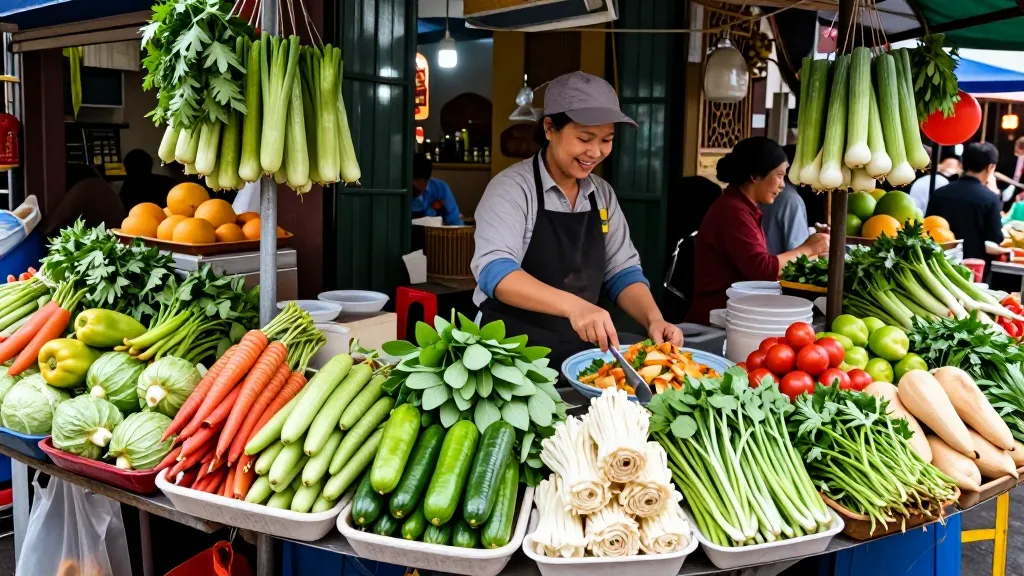
Vietnam is a culinary paradise, but for vegetarians and vegans, navigating its traditional dishes can be a challenge. The main keyword is 'Vegetarian and Vegan Food Guide to Vietnam: Eating Plant-Based Easily,' and this guide is designed to help travelers embrace the local cuisine while staying true to their dietary choices. Whether you're craving authentic flavors or seeking plant-based alternatives, this guide will show you how to enjoy Vietnam’s vibrant food scene without compromising your values.
Vietnamese cuisine is rich in fresh vegetables, herbs, and plant-based ingredients, making it a natural fit for vegetarians and vegans. However, many traditional dishes include meat, fish sauce, and shrimp paste, which can be tricky to avoid. This guide will walk you through the key ingredients to look for, the common non-vegetarian elements to steer clear of, and how to make the most of your meal options.
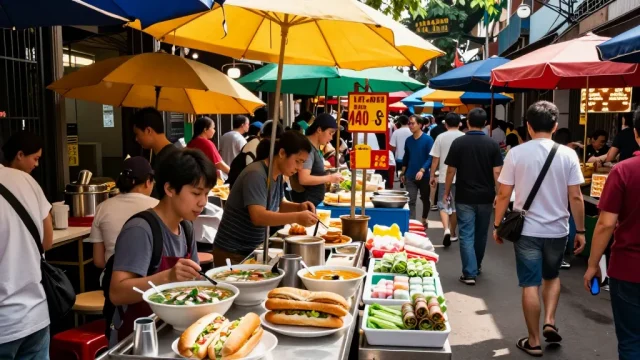
From bustling street markets to cozy cafes, Vietnam offers a variety of spots where you can find vegetarian and vegan food. Whether you're in Hanoi, Hoi An, or Ho Chi Minh City, we’ll highlight the best places to eat plant-based without sacrificing flavor. With practical tips on ordering, communicating your needs, and adapting local dishes, this guide ensures your plant-based journey through Vietnam is both delicious and stress-free.
Understanding Vietnamese Cuisine for Vegetarians and Vegans
Vietnamese cuisine is inherently plant-based, emphasizing fresh vegetables, herbs, and minimal use of animal products. The natural balance of flavors in traditional dishes often aligns well with vegetarian and vegan diets, making it easier for travelers to enjoy authentic meals while maintaining their dietary preferences.
Traditional Vietnamese Ingredients for Vegetarians
Traditional Vietnamese ingredients such as rice, tofu, bamboo shoots, and various leafy greens form the foundation of many vegetarian meals. Fresh herbs like cilantro, mint, and basil are commonly used to enhance flavor without the need for excessive spices or meat-based seasonings. These ingredients are not only nutritious but also integral to the distinctive taste of Vietnamese cooking.
Common Non-Vegetarian Elements to Avoid
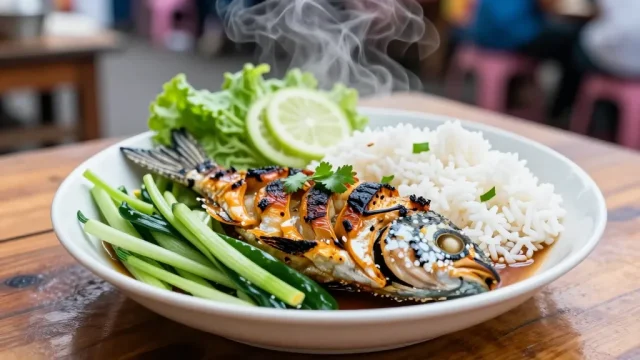
Despite the plant-based nature of many Vietnamese dishes, some traditional recipes include meat, fish sauce, or shrimp paste, which can pose challenges for vegetarians and vegans. Fish sauce, in particular, is a staple in many dishes and is often used to add depth of flavor. It is important to be aware of these ingredients and ask for alternatives when ordering to ensure the meal meets dietary requirements.
Where to Find Vegetarian and Vegan Food in Vietnam
Vietnam offers a growing number of vegetarian and vegan dining options, especially in major cities like Hanoi, Hoi An, and Ho Chi Minh City. From traditional Chay restaurants to modern vegan cafes, travelers can find diverse plant-based menus that cater to their dietary needs while enjoying the local flavors.
- Chay restaurants in Hanoi provide a variety of vegetarian dishes based on traditional Buddhist cuisine, using fresh vegetables, tofu, and plant-based proteins.
- Hoi An is known for its vegetarian eateries that blend local flavors with plant-based ingredients, offering creative and satisfying meals.
- Ho Chi Minh City has several vegan-friendly cafes that focus on health-conscious and cruelty-free options, often with international influences.
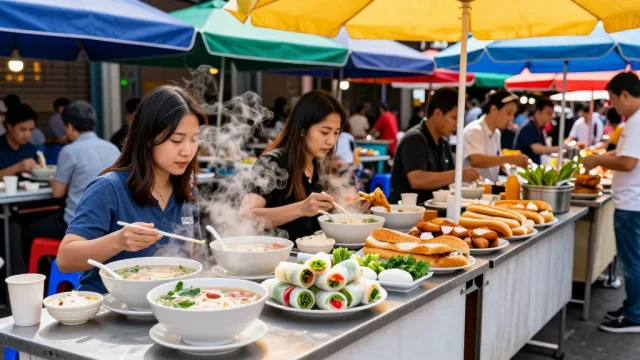
- Many street food vendors in Vietnam can prepare vegetarian versions of popular dishes upon request, making it easier to enjoy local street food.
Top Chay Restaurants in Hanoi
Hanoi is home to several renowned Chay restaurants that serve traditional vegetarian meals rooted in Buddhist culinary practices. These restaurants often use ingredients like tofu, mushrooms, and seasonal vegetables to create flavorful and nourishing dishes. Popular options include Chay Pho and Chay Thanh, which offer a range of meals from simple bowls to more elaborate dishes.
Vegetarian Eateries in Hoi An
Hoi An's vegetarian eateries are a highlight for travelers looking for plant-based options that don't compromise on taste. Many of these restaurants use local ingredients like rice paper, herbs, and vegetables to craft dishes that are both authentic and satisfying. Dining here allows visitors to experience the region's culinary heritage in a vegan-friendly way.
Vegan-Friendly Cafes in Ho Chi Minh City
Ho Chi Minh City's vegan-friendly cafes offer a modern twist on plant-based eating, often incorporating international flavors and ingredients. These cafes focus on healthy, cruelty-free meals that cater to both locals and tourists. They are ideal for those who want to explore vegan cuisine while enjoying the city's vibrant food scene.
How to Order Vegetarian and Vegan Dishes in Vietnam
When ordering vegetarian and vegan dishes in Vietnam, clear communication is key to ensuring your meal meets your dietary needs. Vietnamese cuisine often includes ingredients like fish sauce, shrimp paste, and meat-based broths, which can be tricky for vegetarians and vegans. To avoid these, it’s important to specifically ask for dishes that are free from fish sauce, meat, and other animal products. You can phrase this by saying ‘không dùng nước mắm’ (no fish sauce) or ‘không có thịt’ (no meat) to make your request precise.
Familiarizing yourself with basic Vietnamese food terms can greatly enhance your ability to order correctly. Words like ‘rau’ (vegetables), ‘cơm’ (rice), and ‘canh’ (soup) are commonly used, and knowing their meanings helps you describe what you want clearly. If you're unsure about an ingredient, it’s safer to ask for a dish to be made without it rather than risk accidentally consuming something non-vegan. This approach helps you enjoy the local flavors while staying true to your dietary preferences.
In many cases, Vietnamese restaurants are willing to accommodate vegetarian and vegan requests, especially in areas with a growing plant-based culture. However, it’s still best to be proactive in communicating your needs. You can ask if a dish is naturally vegetarian or vegan, or request that certain ingredients be omitted. Being direct and polite will help you navigate the menu more confidently and enjoy a satisfying meal without compromise.
Eating Out as a Vegetarian or Vegan in Vietnam
Eating out as a vegetarian or vegan in Vietnam can be a rewarding experience, though it requires some awareness and communication. Many local vendors are willing to adapt their dishes, and with a few key strategies, you can enjoy a variety of plant-based meals without missing out on the rich flavors of Vietnamese cuisine.
Adapting Street Food to Suit Vegetarian Diets
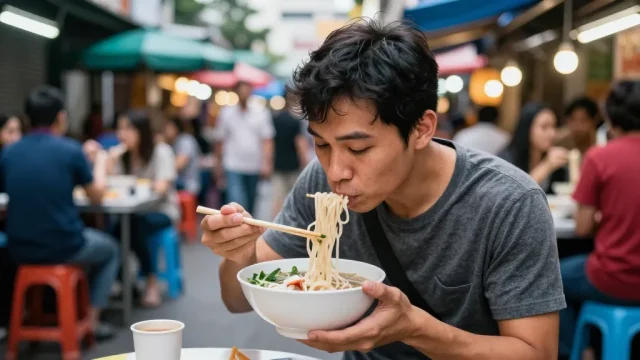
Many street food vendors in Vietnam offer vegetarian versions of their dishes upon request. For example, pho (noodle soup) can be made without meat, and banh mi (sandwiches) can be customized by omitting pork or chicken. Similarly, dishes like spring rolls and vermicelli bowls can often be adapted to suit vegetarian or vegan diets by simply asking for no meat. While some street food may be inherently meat-based, the flexibility of local cooks allows for easy modifications.
Communicating Dietary Needs in Vietnamese
Communicating your dietary needs clearly is essential to ensure your meal meets your requirements. While many vendors may not be familiar with vegetarian or vegan diets, they are often willing to accommodate once explained. Use simple phrases like 'không thịt' (no meat) or 'không trứng' (no eggs) to specify what you need. It’s also helpful to point out which ingredients you’d like to exclude, such as fish sauce or shrimp paste. Patience and a friendly tone can go a long way in ensuring your meal is both satisfying and appropriate for your diet.
Tips for Sticking to a Vegetarian or Vegan Diet While Traveling in Vietnam
Carrying a small supply of plant-based snacks can be a practical way to ensure you have something to eat when meal options are uncertain. Items like nuts, dried fruit, or energy bars can provide essential nutrients and help maintain energy levels during long days of sightseeing. It’s also a good idea to pack a reusable container for leftovers or to store fresh fruits and vegetables you may buy along the way.
Choosing fresh, whole foods over processed options ensures better nutrition and helps avoid hidden additives that may not align with a vegetarian or vegan diet. Look for local markets where you can select fresh vegetables, fruits, and legumes. These ingredients are not only more nutritious but also support sustainable eating habits. Avoid pre-packaged snacks or processed foods that may contain meat or animal by-products.
Supporting local vegetarian and vegan restaurants encourages more plant-based options in the future and helps sustain small businesses that cater to these dietary needs. By choosing to dine at these establishments, you contribute to a growing trend of plant-based eating in Vietnam. Additionally, sharing your positive experiences with these restaurants can help raise awareness and create a more inclusive food environment for all travelers.
Frequently Asked Questions
Are there many vegetarian options in Vietnamese street food?
Vietnamese street food offers some vegetarian options, but they are not always clearly marked. Look for dishes like pho or banh mi with vegetables, but be cautious about sauces and condiments. Many street vendors may not offer vegan or vegetarian versions of popular dishes.
Can I eat the same dishes as my friends if I’m vegetarian or vegan?
Some dishes can be adapted to suit vegetarian and vegan diets, but others may include meat or fish sauce. It is possible to enjoy similar meals by asking for substitutions like tofu, vegetables, or rice instead of meat.
How do I know if a dish is vegan-friendly?
Always ask the vendor or server about ingredients and request no fish sauce or meat. Some dishes are naturally vegan, but cross-contamination is possible. Be clear about your dietary needs to ensure your meal is safe.
Are there any traditional Vietnamese dishes that are naturally vegetarian?
Yes, many traditional Vietnamese dishes are naturally vegetarian. Examples include pho with vegetables, spring rolls with tofu, and banh mi with pickled vegetables. These dishes can be enjoyed as is, provided no meat or fish sauce is added.
Final Thoughts
Vietnam offers a growing number of vegetarian and vegan options, from dedicated Chay restaurants to vegan-friendly cafes. With a bit of preparation and communication, it is easy to enjoy plant-based meals in Vietnam.
To make the most of your vegetarian or vegan journey in Vietnam, research restaurants and street food options in advance, and don't hesitate to ask for modifications. Your experience can be both delicious and satisfying.