Vietnamese Dining Etiquette: Chopstick Rules, Shared Plates, and Toasting
 vietgo8 min read
Exploring Vietnamese Dining Etiquette: Chopstick Rules, Shared Plates, and Toasting can be a rewarding experience for international travelers looking to connect with local culture. Understanding the nuances of Vietnamese dining not only enhances your meal but also shows respect for local traditions. From the way chopsticks are held to the etiquette around shared plates and toasting, there are several customs that reflect the warmth and hospitality of Vietnamese people. Whether you're a first-time visitor or planning to return, knowing these customs will help you navigate dining experiences with confidence and grace. By familiarizing yourself with these practices, you'll be better prepared to enjoy your meals and build meaningful connections with locals. As you delve into the details, you'll gain a deeper appreciation for the cultural significance behind each dining tradition.
Chopstick Rules in Vietnamese Dining
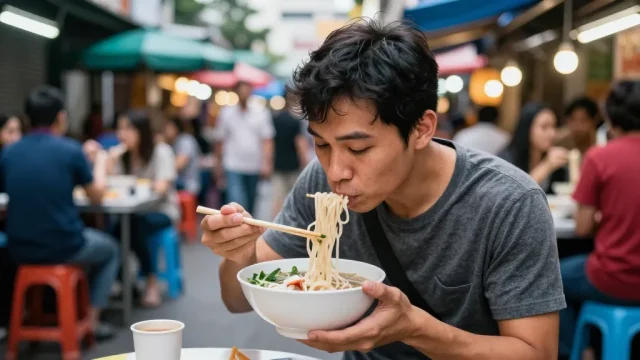
Chopsticks are a fundamental part of Vietnamese dining, used to eat rice, noodles, and vegetables, but not for stirring soups. Understanding how to use them correctly is essential for showing respect and avoiding cultural misunderstandings. Proper chopstick etiquette not only reflects personal manners but also enhances the dining experience for everyone at the table.
How to Hold Chopsticks Correctly
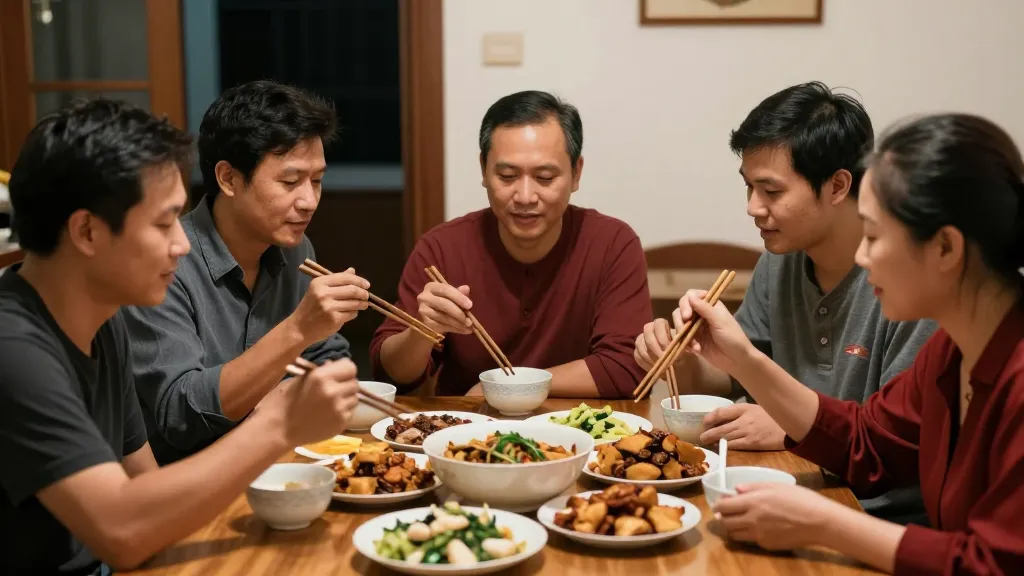
To hold chopsticks correctly, grip them with both hands, one at the top and one at the bottom. This method ensures control and prevents accidental dropping. The top chopstick should rest between your thumb and index finger, while the bottom one is held with your middle finger and thumb. This technique is commonly seen in Vietnamese households and restaurants, where precision and grace are valued.
When to Use and When Not to Use Chopsticks
Chopsticks should never be used to point at people, pick teeth, or stir soups. These actions are considered impolite and can cause discomfort or offense. Instead, use a serving spoon for soups and shared dishes. If you need to set your chopsticks down, place them across the bowl or on the table, not vertically, as this is associated with funeral rites. Avoid passing food directly with chopsticks; use a spoon instead to maintain hygiene and respect for others.
Shared Plates and Serving Etiquette
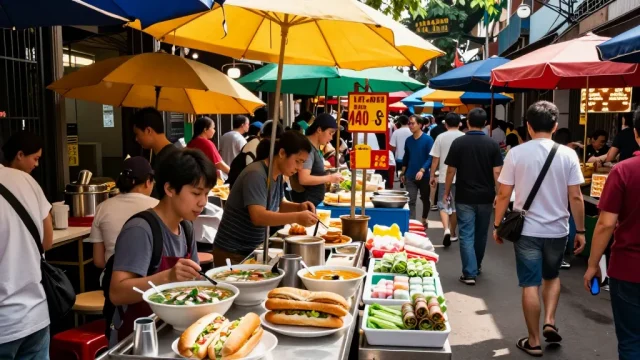
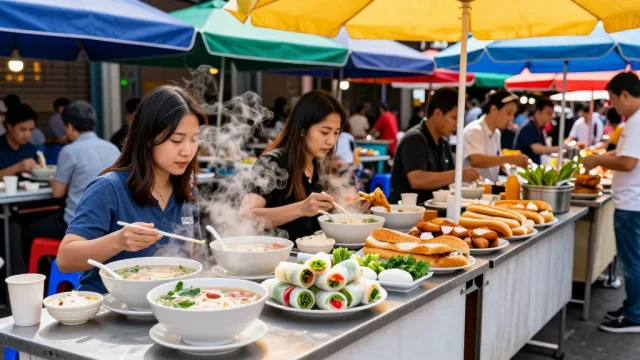
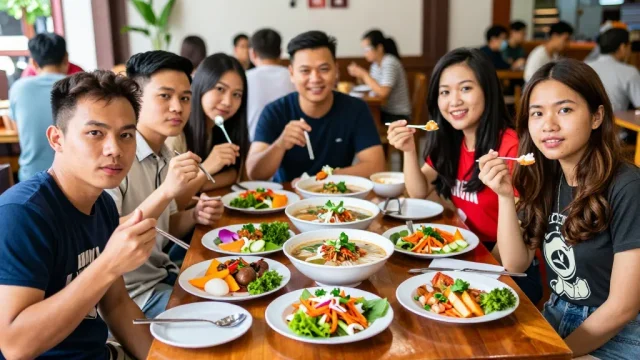
In Vietnamese dining, shared plates are a common feature, especially with dishes like pho and spring rolls, where multiple people gather to serve themselves. This practice reflects the communal nature of Vietnamese culture, emphasizing togetherness and shared enjoyment. When dining from shared plates, it is customary to use a serving spoon to transfer food to your own plate, rather than using chopsticks directly. This not only maintains hygiene but also shows respect for others who may be serving themselves.
Politeness in Vietnamese dining also involves taking small portions and waiting for others to serve themselves. This ensures that everyone gets a fair share and avoids the appearance of being overly greedy. It is considered rude to rush the serving process or to take more than your fair share, as this can disrupt the harmony of the meal. By taking small portions and allowing others to serve themselves, you demonstrate consideration and cultural awareness.
When eating from shared plates, it is important to keep your hands visible so that others can see you are taking food. This helps to prevent misunderstandings and ensures that everyone knows it is safe to serve themselves. Avoid using your hands to pick food directly from shared plates, as this is seen as impolite and unhygienic. Instead, always use a spoon or chopsticks to maintain the dignity and respect of the meal.
Understanding and following these shared plate etiquette rules can greatly enhance your dining experience in Vietnam. It not only helps you avoid common mistakes but also allows you to engage more comfortably with local customs. By showing respect through your actions, you contribute to a more pleasant and inclusive dining environment for everyone involved.
Toasting and Drinking Etiquette
Toasting is an important part of Vietnamese dining, often done with alcohol like beer or rice wine. It is a gesture of respect, friendship, and celebration, commonly seen during meals with friends, family, or business colleagues. When toasting, it is essential to maintain eye contact with the person you are toasting with, as this shows sincerity and attentiveness. Raise your glass slightly, and if you are drinking alcohol, take a small sip before placing it back on the table. This small act demonstrates that you are participating in the toast with genuine intent.
The timing of toasting is also important. It is customary to wait for the host or the eldest person at the table to initiate the toast, as they are seen as the leader of the gathering. Once the toast begins, it is polite to follow along and match the enthusiasm. In some situations, especially in more formal settings, toasting may be done in a group, with everyone raising their glasses at the same time. This creates a sense of unity and shared celebration, reinforcing the importance of community in Vietnamese culture.
When it comes to drinking etiquette, it is considered polite to finish your drink once you have started, unless you are visibly full or have a medical reason to stop. However, it is also acceptable to take a pause and enjoy the moment, especially if the toast is particularly meaningful. Avoid drinking too quickly, as this can be seen as impolite or even disrespectful. Instead, take your time to savor the drink and engage in conversation with your companions. This helps to create a more relaxed and enjoyable atmosphere during the meal.
General Dining Manners and Table Etiquette
In Vietnamese dining settings, it is considered polite to wait for the host to start eating before you begin. This gesture shows respect for the host's role in the meal and acknowledges their effort in preparing the food. Taking your first bite too soon may be seen as impolite or disrespectful, so it is best to observe the host’s actions and follow their lead.
Leaving a small amount of food on your plate is a sign of respect, especially for the host. This tradition is rooted in the belief that the host should have the last taste of the meal, symbolizing their importance in the gathering. However, this practice is not as strictly enforced as in some other cultures, so a modest amount is sufficient to convey the right message.
During the meal, it is important to keep your phone away and focus on the conversation. Engaging in meaningful dialogue with your hosts and guests is a key part of Vietnamese dining etiquette. Avoiding distractions like texting or scrolling through social media helps maintain a respectful and attentive atmosphere at the table.
Proper hand and posture etiquette also play a role in Vietnamese dining. Use your right hand for eating and avoid using your left, as the left hand is traditionally associated with unclean tasks. Keep your elbows off the table and sit with your back straight to demonstrate good manners and respect for the occasion.
Avoiding Common Dining Mistakes
When dining in Vietnam, it's important to be mindful of common etiquette mistakes that can inadvertently cause offense. One of the most significant errors is using chopsticks to point at people or animals. This gesture is associated with bad luck and is considered disrespectful. Instead, use polite language or gestures to indicate your needs or comments.
- Never use chopsticks to point at people or animals.
- Do not leave chopsticks upright in a bowl; this is considered bad luck.
- Avoid eating with your hands if you are eating rice or noodles.
- Do not pass food with your chopsticks; it is seen as rude.
- Avoid using your phone while eating; it is considered disrespectful.
Another common mistake is leaving chopsticks upright in a bowl. This symbolizes a funeral ritual and is associated with death, making it a deeply unlucky action. Always place your chopsticks across the top of the bowl or in a holder to avoid this misinterpretation. Similarly, avoid passing food with your chopsticks, as this is seen as a sign of disrespect and is often linked to funeral customs.
When eating rice or noodles, using your hands is generally frowned upon, especially in formal or traditional settings. While hand-eating is common with street food or casual meals, it is best to use chopsticks or a spoon for more refined dining experiences. Additionally, using your phone while eating is considered disrespectful in most Vietnamese households and restaurants. It is seen as a sign of disinterest in the meal and the company of others.
Frequently Asked Questions
Is it okay to use my hands to eat rice in Vietnam?
Yes, it is perfectly acceptable to use your hands to eat rice in Vietnam. This is a common practice, especially with sticky rice dishes. However, it is considered polite to use a spoon for other dishes to show respect for the food.
What should I do if I drop my chopsticks during a meal?
If you drop your chopsticks, it is customary to say 'xin lỗi' (I'm sorry) and quickly pick them up. This is considered a sign of respect and is not a cause for embarrassment.
Can I drink from a shared glass in a Vietnamese restaurant?
It is generally not recommended to drink from a shared glass in a Vietnamese restaurant. This is seen as unhygienic and impolite. Instead, it is better to use individual glasses or cups.
Is it rude to finish my food in Vietnam?
Finishing your food is not considered rude in Vietnam. In fact, it is often seen as a sign of appreciation for the meal. However, it is polite to leave a small amount of food on your plate to indicate that you are full.
Final Thoughts
Understanding Vietnamese dining etiquette can enhance your experience and show respect to your hosts. From chopstick rules to shared plates and toasting, small gestures can make a big difference. By being mindful of these customs, you can enjoy meals with confidence and comfort.
To fully embrace Vietnamese dining culture, observe the etiquette and approach meals with a respectful and open mindset. Whether you're dining with locals or fellow travelers, these tips will help you navigate the table with ease and grace.