Guide to Vietnamese Spring Rolls: Fresh Goi Cuon vs Fried Cha Gio
 vietgo8 min read
For travelers exploring Vietnam's vibrant food scene, one of the most enticing choices is between fresh Goi Cuon and crispy Cha Gio. Both are beloved spring rolls, but they offer distinct flavors and textures that cater to different tastes. This guide to Vietnamese spring rolls will help you navigate the difference between the light, crisp Goi Cuon and the golden, fried Cha Gio. Whether you're craving a refreshing appetizer or a savory snack, understanding these options will enhance your dining experience. As you dive into the world of Vietnamese cuisine, knowing when to choose each type can elevate your meal planning and cultural immersion.
Understanding Vietnamese Spring Rolls
Vietnamese spring rolls, known as Goi Cuon and Cha Gio, are beloved staples of Vietnamese cuisine, offering a delightful contrast between fresh and fried textures. These rolls are not only a favorite among locals but also a must-try for travelers looking to experience the country's rich culinary traditions. Whether enjoyed as a light appetizer or a flavorful street food snack, they reflect the diversity and creativity of Vietnamese cooking.
What Are Vietnamese Spring Rolls?
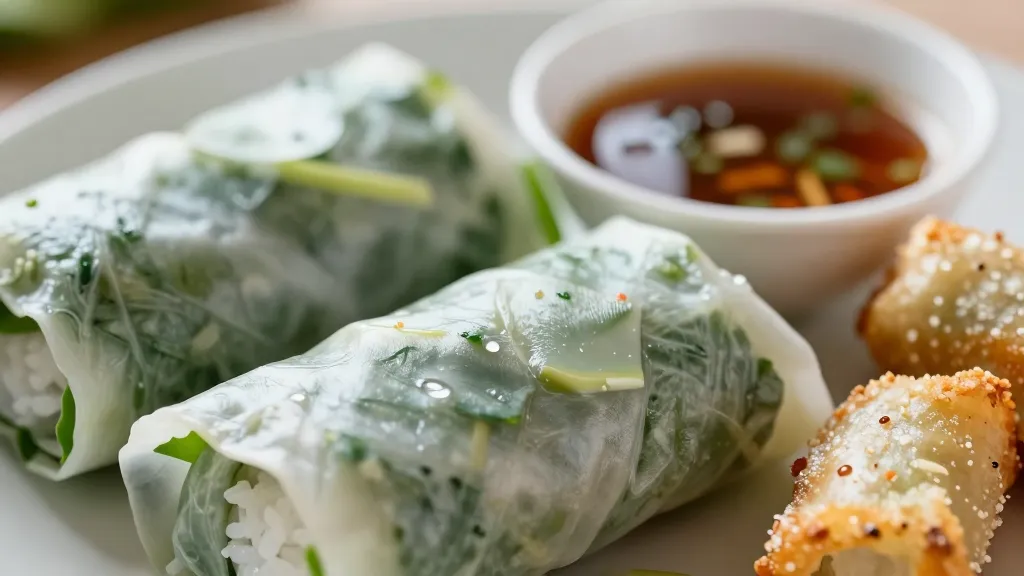
Goi Cuon and Cha Gio are the two primary types of Vietnamese spring rolls, distinguished by their preparation methods and textures. Goi Cuon, or fresh spring rolls, are made by wrapping rice paper around a mixture of shrimp, pork, vermicelli, and herbs, creating a crisp, translucent roll. Cha Gio, or fried spring rolls, involve a similar filling but are coated in flour and deep-fried to achieve a golden, crispy exterior. Both versions are commonly found in street food stalls and home kitchens, highlighting their versatility and popularity.
The Cultural Significance of Spring Rolls in Vietnam
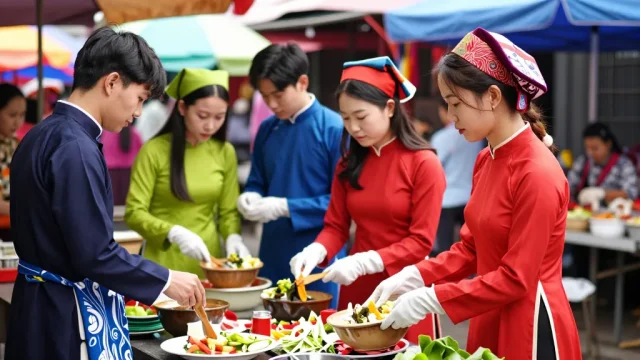
Spring rolls hold a special place in Vietnamese culture, often associated with celebration and tradition. They are frequently served during Lunar New Year, where families prepare large batches to share with loved ones. The act of making and eating spring rolls is seen as a way to bring people together, reflecting the communal spirit of Vietnamese life. Additionally, the balance of flavors and textures in these rolls symbolizes harmony, a key value in Vietnamese culture. Their presence in everyday meals and festive occasions underscores their significance as more than just a food item.
Fresh Goi Cuon: The Light and Crisp Option
Fresh Goi Cuon is a beloved Vietnamese dish known for its light, crisp texture and refreshing flavors. Made with translucent rice paper and filled with an array of fresh ingredients, it offers a delightful contrast between the delicate wrapper and the vibrant fillings. Whether enjoyed raw or lightly cooked, Goi Cuon is a staple in Vietnamese cuisine, often served as an appetizer or as part of a balanced meal.
- Rice paper is the foundation of Goi Cuon, providing a thin, flexible wrapper that holds the ingredients together.
- Fresh vegetables such as lettuce, cucumber, carrot, and daikon radish are commonly used to add crunch and color.
- Shrimp or pork is often included for a touch of protein and richness, though some versions may feature other meats or tofu.
- The dish is typically prepared by soaking the rice paper briefly in water to make it pliable, then wrapping the ingredients inside.
Ingredients and Preparation
The ingredients for Goi Cuon are carefully selected to ensure a balance of textures and flavors. The rice paper, made from rice flour and water, is the key component that gives the dish its signature crispness. Fresh vegetables are often sliced thinly to enhance their crunch, while the shrimp or meat is marinated to add depth and moisture. This combination creates a light yet satisfying dish that is both refreshing and flavorful.
How to Eat Fresh Goi Cuon
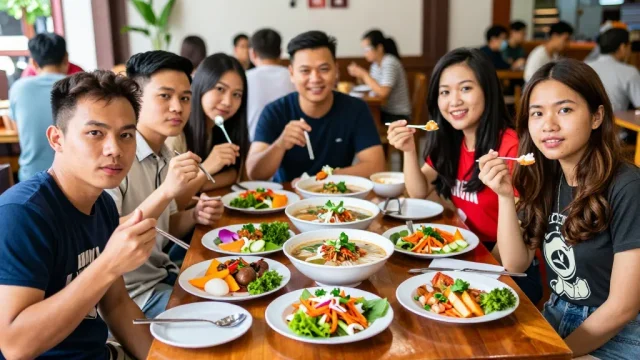
Eating Goi Cuon is an interactive experience, often enjoyed with family or friends. To eat it, place a sheet of rice paper on a plate, add a few slices of vegetables and a small amount of shrimp or meat, then fold the edges over the fillings before rolling it up tightly. The dish is usually served with a side of dipping sauce, such as fish sauce mixed with lime, sugar, and chili. It is best consumed immediately to maintain its freshness and crisp texture, making it a perfect choice for a light and healthy meal.
Fried Cha Gio: The Crispy and Savory Choice
Fried Cha Gio stands out for its crispy, golden texture and savory depth, making it a popular street food and appetizer in Vietnam. Unlike the fresh Goi Cuon, Cha Gio is deep-fried, which enhances its flavor and creates a satisfying crunch. This dish is often enjoyed on the go or as a starter, offering a bold contrast to the delicate freshness of Goi Cuon.
- Cha Gio is made from a thin, rice paper wrapper filled with seasoned pork, shrimp, or a mix of meat and vegetables.
- The filling is typically seasoned with garlic, ginger, and a touch of fish sauce, giving it a savory base.
- Before frying, the wrapper is dipped in beaten egg and then in flour or cornstarch to ensure a crispy coating.
- The deep-frying process creates a golden, crunchy exterior while keeping the filling moist and flavorful.
Ingredients and Cooking Process
The ingredients for Cha Gio are simple but carefully selected to achieve the perfect balance of flavors and textures. The rice paper wrapper is often made from a blend of rice flour and tapioca starch, which provides a delicate yet sturdy base. The filling is usually a combination of ground pork, shrimp, or a mix of both, seasoned with aromatic spices like garlic, ginger, and a hint of fish sauce. This combination ensures a rich, savory profile that stands out from the lighter Goi Cuon.
Where to Find Cha Gio in Vietnam
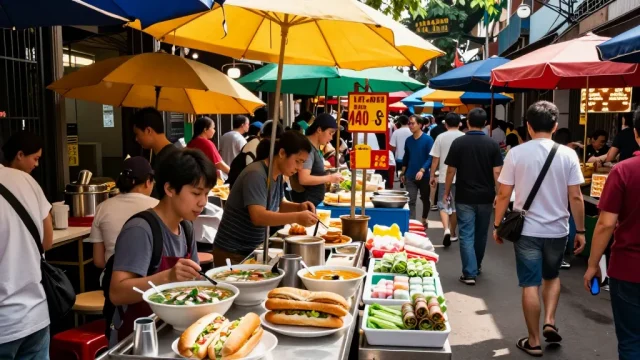
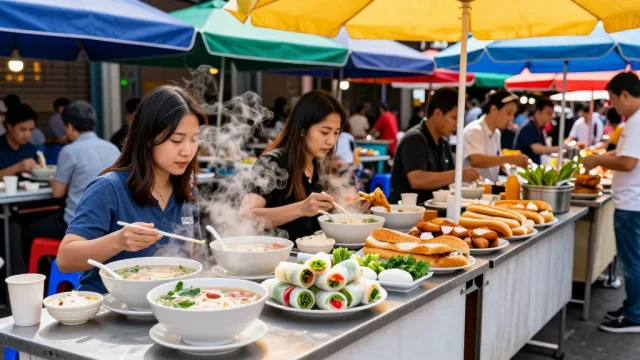
Cha Gio can be found throughout Vietnam, especially in bustling street markets and roadside stalls. In cities like Hanoi and Ho Chi Minh City, vendors often serve it as a quick snack or appetizer, wrapped in banana leaves or served on a plate with a side of dipping sauce. It is also a common item in markets and night markets, where its crispy texture and savory taste make it a favorite among locals and tourists alike. For the best experience, look for vendors who use fresh ingredients and traditional cooking methods to preserve the dish's authentic flavor.
Choosing Between Goi Cuon and Cha Gio
Deciding between Goi Cuon and Cha Gio depends on your dietary needs, the occasion, and what kind of experience you’re looking for. Both options offer unique textures and flavors, making them suitable for different settings and preferences.
When to Choose Goi Cuon
Goi Cuon is ideal for fresh, healthy meals, especially when you want to enjoy light, crisp, and nutrient-rich food. It’s commonly served as a starter or side dish, making it a great choice for health-conscious travelers or those looking to balance their meal with vegetables and lean proteins. This option is also perfect for casual gatherings or when you want to experience the vibrant, fresh flavors of Vietnamese cuisine without the heaviness of fried foods.
When to Choose Cha Gio
Cha Gio, on the other hand, is better suited for a crunchy, indulgent snack or a more substantial treat. Its crispy texture and savory fillings make it a popular choice for street food lovers and those seeking a more satisfying bite. Cha Gio is often enjoyed as a quick snack or paired with a cold drink, offering a delightful contrast between the crispy exterior and the soft, flavorful interior. It’s a favorite for those looking to experience the rich, comforting side of Vietnamese street food.
Tips for Enjoying Vietnamese Spring Rolls
To fully appreciate Vietnamese spring rolls, it's essential to pair them with the right dipping sauce and locate vendors that prioritize quality and authenticity. Whether you're savoring fresh Goi Cuon or crispy Cha Gio, the experience is enhanced by thoughtful preparation and mindful selection. Here are key tips to elevate your enjoyment of these beloved dishes.
- Choose a dipping sauce that complements the texture and flavor of your spring rolls.
- Look for vendors that use fresh, high-quality ingredients and maintain clean, hygienic conditions.
- Don't hesitate to try both Goi Cuon and Cha Gio to experience the full spectrum of Vietnamese cuisine.
- Ask for recommendations from locals or fellow travelers to discover the best spots.
Best Dipping Sauces for Spring Rolls
The best dipping sauces for spring rolls are often a mix of soy sauce, lime juice, sugar, and chili, creating a balance of sweet, sour, and spicy flavors. Some vendors may also add peanut butter or garlic for added depth. Experiment with different combinations to find your preferred taste profile, and always ensure the sauce is fresh and well-mixed for optimal flavor.
Finding Authentic Vendors in Vietnam
Finding authentic vendors in Vietnam requires a bit of observation and interaction. Look for stalls or shops with a steady stream of customers, as this often indicates quality and reliability. Pay attention to how ingredients are handled and stored—fresh herbs, rice paper, and meat should be visible and properly stored. Engaging with vendors can also provide valuable insights into the local culinary traditions and help you make informed choices.
Frequently Asked Questions
What are the main differences between Goi Cuon and Cha Gio?
Goi Cuon is a fresh, light spring roll made with rice paper and filled with vegetables and meat, while Cha Gio is a deep-fried spring roll with a crispy texture and a savory, meat-filled center.
Can I eat Goi Cuon hot or cold?
Goi Cuon is typically eaten cold or at room temperature, as it is meant to be enjoyed fresh. However, some variations can be lightly steamed or cooked, though this is less common.
What are the best places to try Cha Gio in Hanoi?
In Hanoi, popular spots for Cha Gio include the Old Quarter and street vendors near Hoan Kiem Lake. Markets like Hoa Binh and Hang Ma are also known for fresh, crispy Cha Gio.
Are there any health considerations when eating spring rolls?
Both Goi Cuon and Cha Gio can be healthy if consumed in moderation. Goi Cuon is lower in calories, while Cha Gio is higher in fat due to frying. Opt for fresh ingredients and avoid excessive sauces.
Final Thoughts
Whether you prefer the crisp, light Goi Cuon or the crispy, savory Cha Gio, both are essential to Vietnamese cuisine. Each offers a unique taste and texture, reflecting the diversity of street food culture in Vietnam. To fully appreciate these dishes, seek out authentic vendors in local markets or street food hubs.
Ready to explore the flavors of Vietnam? Start by visiting a local market or street food stall to try both Goi Cuon and Cha Gio. This guide will help you make the most of your culinary journey through Vietnam’s beloved spring rolls.