Seafood Dining in Da Nang and Nha Trang: How to Order Fresh Catch Safely
 vietgo7 min read
For international travelers exploring Da Nang and Nha Trang, seafood dining is a highlight of the trip, offering a taste of Vietnam’s coastal charm. However, ordering fresh catch in these cities can be tricky without the right knowledge. This article provides practical guidance on how to enjoy Seafood Dining in Da Nang and Nha Trang: How to Order Fresh Catch Safely, ensuring your meals are both delicious and safe. From choosing the best restaurants to understanding local pricing, we cover everything you need to know. Whether you’re a first-time visitor or a returning traveler, these tips will help you make the most of your seafood experience in these coastal destinations.
Choosing the Best Seafood Restaurants in Da Nang and Nha Trang
Selecting the best seafood restaurants in Da Nang and Nha Trang is essential for an enjoyable and safe dining experience. These coastal cities are renowned for their fresh seafood, but not all eateries offer the same quality. To ensure you choose a reliable option, consider local recommendations, inspect the sourcing practices, and evaluate the overall dining environment.
- Look for local recommendations and reviews to find trusted seafood restaurants.
- Prioritize establishments that source their seafood directly from nearby markets or fishermen.
- Check for clean, well-maintained dining areas and attentive staff as indicators of quality.
Top Da Nang Seafood Restaurants
Da Nang is home to several seafood restaurants that are popular among both locals and tourists. Among the top choices is Pho 24, known for its fresh seafood dishes and vibrant atmosphere. Another favorite is La Maison de Da Nang, which offers a mix of traditional Vietnamese flavors with modern presentation. When dining in Da Nang, always look for restaurants that mention their seafood is sourced from local markets or fishermen to guarantee freshness.
Recommended Nha Trang Seafood Eateries
Nha Trang also boasts a range of seafood eateries that provide an authentic and delightful experience. Pho Nha Trang is a must-visit for its variety of grilled and steamed seafood, while Cua Be Nha Trang is famous for its fresh oysters and seafood platters. For a more relaxed setting, Seafood Village offers an open-air dining experience with direct access to the ocean. Similar to Da Nang, it's advisable to select restaurants that prioritize transparency in their seafood sourcing and maintain high standards of hygiene and service.
How to Order Fresh Seafood Safely in Vietnam
When ordering seafood in Da Nang and Nha Trang, it's essential to be proactive in ensuring you're getting fresh, safe, and properly prepared dishes. Asking the right questions and observing the quality of the seafood can significantly enhance your dining experience and protect your health.
What to Ask When Ordering Seafood
Before placing your order, ask the server about the seafood's origin and how it was caught or sourced. Inquiring about whether the fish was caught fresh, the time since it was landed, and the method of storage can provide valuable insights into its freshness. It's also helpful to ask if the seafood has been handled in a hygienic manner and whether it's been stored at the correct temperature.
Signs of Fresh and Safe Seafood
To determine the freshness of seafood, look for clear eyes, firm flesh, and a mild, ocean-like smell. Avoid seafood that has a strong fishy odor, as this can indicate spoilage. The texture should be firm and not slimy, and the skin or scales should be intact. If the seafood feels soft or has an unusual texture, it may not be safe to eat. Always confirm the cooking method with your server, as overcooked or undercooked seafood can pose health risks. Ensuring that the seafood is cooked to a safe temperature helps prevent foodborne illnesses.
Understanding Seafood Pricing and Value in Da Nang and Nha Trang
Understanding seafood pricing in Da Nang and Nha Trang is essential for travelers looking to enjoy fresh catch without overspending. Prices can vary significantly depending on the restaurant, the type of seafood, and whether the dish is prepared fresh or pre-cooked. Being aware of typical price ranges and how to interpret them can help you make informed decisions and avoid overpaying for lower quality.
Pricing Trends in Seafood Dining
Seafood prices in Da Nang and Nha Trang tend to be higher in upscale restaurants and tourist areas, where dishes are often more elaborately prepared and presented. In contrast, local eateries and beachside stalls typically offer more affordable options, especially for fresh, unprocessed seafood. It’s wise to compare prices across different establishments, especially when ordering similar dishes, to ensure you’re getting fair value. Keep in mind that some restaurants may include additional ingredients or services in their pricing, so clarity is key.
How to Negotiate or Get Better Deals
While negotiating prices is less common in formal restaurants, it can be effective in markets or informal seafood stalls. If you’re unsure about the price, ask the vendor or waiter to break down the cost of each component, such as the fish, seasoning, and cooking method. Be cautious of unusually low prices, as they may indicate lower quality or even unsanitary conditions. Always confirm what is included in the dish and whether any extra charges apply before finalizing your order.
Tips for Enjoying Seafood Safely and Hygienically
Enjoying seafood safely in Da Nang and Nha Trang requires attention to hygiene and consumption practices. Ensuring that seafood is prepared in clean, hygienic conditions is essential to avoid foodborne illnesses. Travelers should also be mindful of how they handle and consume seafood to maintain food safety.
Hygiene Practices in Seafood Dining
When dining at seafood restaurants, observe how the food is prepared. Look for clean workspaces, properly sanitized utensils, and staff who follow hygiene protocols. Avoid eating seafood that has been left out for too long or handled with unclean hands. Restaurants that use fresh ingredients and maintain cleanliness are more likely to provide safe meals.
Best Practices for Seafood Consumption
Avoid raw seafood unless it is clearly fresh and handled properly. In Vietnam, raw seafood like ceviche or raw fish dishes should be prepared in front of you and served at the right temperature. If you're unsure about the quality, it's safer to opt for cooked options. Always keep your hands and utensils clean to prevent cross-contamination, especially when handling raw seafood or shared dishes.
Exploring Local Markets and Fishing Villages for Seafood
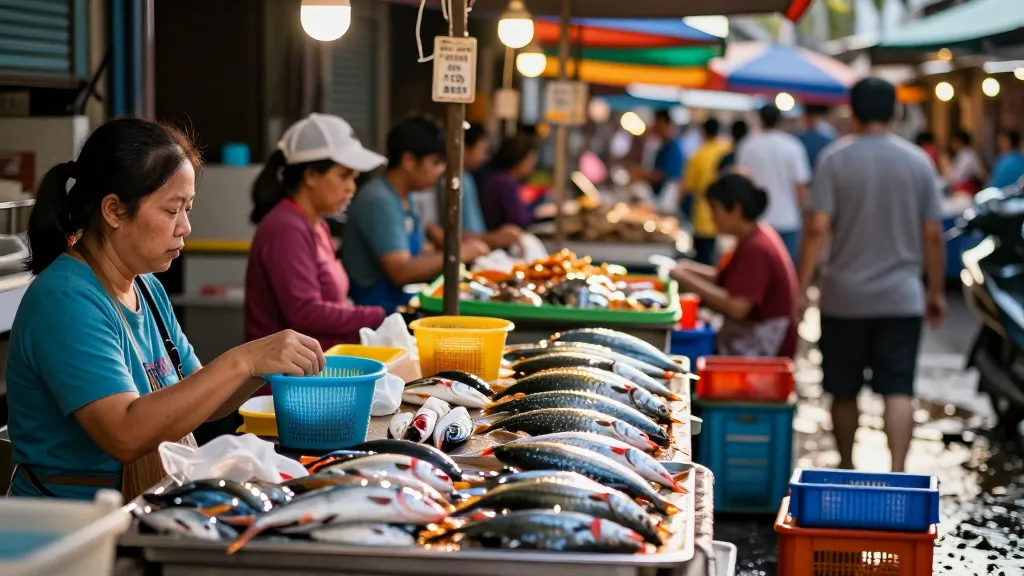
Exploring local markets and fishing villages is a great way to experience the true essence of seafood dining in Da Nang and Nha Trang. These locations offer a unique opportunity to see how seafood is sourced, prepared, and sold, allowing travelers to make informed choices and enjoy a more authentic experience.
- Visit Da Nang's Cua Me Market to see a wide variety of fresh seafood, including fish, shellfish, and crustaceans, all displayed in open-air stalls.
- Ask vendors about the catch time and storage conditions to ensure you're getting the freshest possible seafood.
- In Nha Trang, head to the nearby fishing villages like Nha Trang Beach or Bao Ngoc to witness daily fishing activities and sample freshly caught seafood.
- Engage with local fishermen and market vendors to learn how to identify fresh seafood and understand the local seafood culture.
Where to Find Fresh Seafood in Da Nang
In Da Nang, Cua Me Market is a popular spot where you can find a wide range of fresh seafood. This market is known for its vibrant atmosphere and direct interaction with local vendors. As you walk through the market, observe how the seafood is displayed and ask the sellers about the origin and catch time of the fish. This not only helps you choose the freshest options but also gives you insight into the local seafood trade.
Exploring Fishing Villages Near Nha Trang
Exploring fishing villages near Nha Trang offers a more immersive experience. These villages, such as Nha Trang Beach and Bao Ngoc, are often the source of the seafood you'll find in local restaurants. Visiting these areas allows you to see the daily fishing routines and the immediate processing of the catch. Engaging with the fishermen can provide valuable information about the best times to catch certain species and the traditional methods used to prepare the seafood.
Frequently Asked Questions
How can I tell if the seafood I order in Da Nang is fresh?
Look for clear eyes, firm flesh, and a mild scent. Avoid seafood with a strong fishy odor or slimy texture. Ask the vendor about the catch time and storage conditions.
Are there any seafood dishes I should avoid in Vietnam?
Avoid undercooked seafood, raw dishes like ceviche, and unhygienically prepared items. Be cautious of dishes with high spice levels or unknown ingredients that may cause digestive issues.
Can I bring fresh seafood back to my hotel in Nha Trang?
You can bring small quantities of seafood, but it must be properly packed and sealed. Check local regulations to ensure you are not violating any customs rules.
What should I do if I feel unwell after eating seafood in Vietnam?
Stay hydrated, rest, and seek medical attention if symptoms persist. Inform the restaurant and keep any leftover food for investigation if necessary.
Final Thoughts on Seafood Dining
Prioritizing freshness, hygiene, and safe practices ensures a delightful seafood experience in Da Nang and Nha Trang. Choose reputable restaurants, ask about sourcing, and trust your instincts.
Plan your visit with these insights in mind. Explore local markets, savor authentic dishes, and enjoy your trip with confidence and culinary satisfaction.