Vietnamese Breakfast Culture: What Locals Eat Every Morning
 vietgo7 min read
For travelers seeking to immerse themselves in the vibrant culture of Vietnam, understanding the local breakfast scene is a must. Vietnamese Breakfast Culture: What Locals Eat Every Morning offers a glimpse into the heart of everyday life in this country. From the bustling streets of Hanoi to the tranquil markets of Ho Chi Minh City, the morning meal is more than just sustenance—it’s a reflection of tradition, flavor, and community. Whether you’re a digital nomad or a curious tourist, knowing what to expect can enhance your experience and help you connect with the locals. This article explores the unique aspects of Vietnamese breakfast, highlighting the popular dishes, regional specialties, and practical tips for enjoying them. By delving into the world of Vietnamese Breakfast Culture, you’ll gain a deeper appreciation of the country’s rich culinary heritage and the way it shapes daily life.
What Makes Vietnamese Breakfast Unique
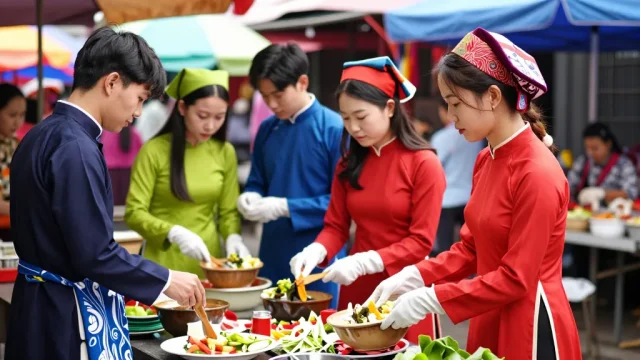
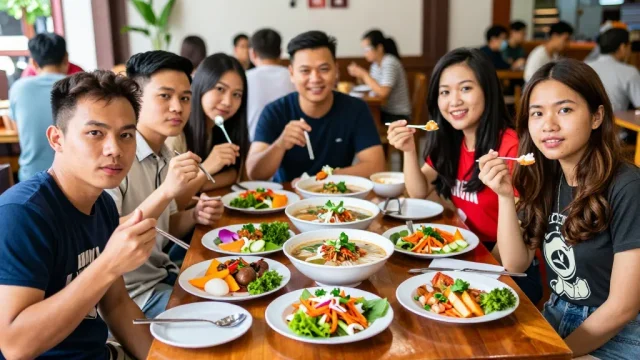
Vietnamese breakfast is a vibrant and essential part of daily life, reflecting the country's deep connection to fresh, seasonal ingredients and bold, balanced flavors. Unlike many Western or fast-paced breakfasts, it is often a communal and thoughtfully prepared meal, enjoyed with family or friends. This elaborate morning meal is more than just sustenance—it's a cultural ritual that highlights Vietnam's culinary heritage and values.
The Importance of Fresh Ingredients
The Importance of Fresh Ingredients is central to Vietnamese breakfast culture. Locals prioritize ingredients that are not only fresh but also sourced locally, ensuring maximum flavor and nutritional value. Vegetables, herbs, meats, and seafood are often used at their peak ripeness, contributing to the vibrant taste profile of traditional dishes. This emphasis on freshness extends to the way meals are prepared, with many ingredients being cut or cooked just before serving to preserve their quality and aroma.
Common Components of a Vietnamese Breakfast
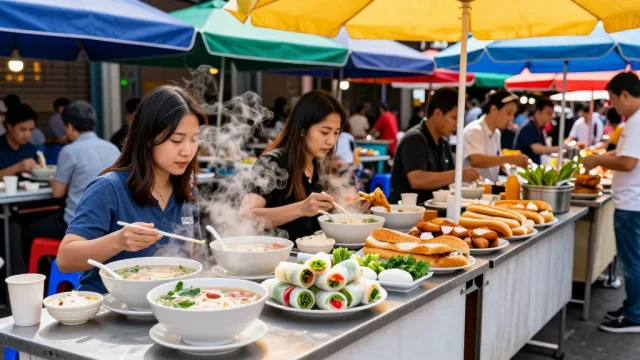
Common Components of a Vietnamese Breakfast typically include a balance of protein, vegetables, and carbohydrates. A typical meal might feature dishes like pho (a nourishing noodle soup), banh mi (a flavorful sandwich), and a variety of side dishes such as egg, pickled vegetables, and fresh herbs. These components are often combined to create a well-rounded and satisfying meal, reflecting the Vietnamese preference for harmony in flavors and textures. The diversity of ingredients and preparation methods showcases the country's rich culinary traditions and adaptability.
Popular Vietnamese Breakfast Dishes
Vietnamese breakfast culture is rich and diverse, with several dishes that are commonly enjoyed by locals. While Pho is the most iconic and widely recognized, there are many other options that reflect the country’s culinary traditions and regional influences.
- Pho: The National Dish of Vietnam
- Banh Mi: A Street Food Favorite
- Banh Cuon and Com Tam: Other Common Breakfast Items
Pho: The National Dish of Vietnam
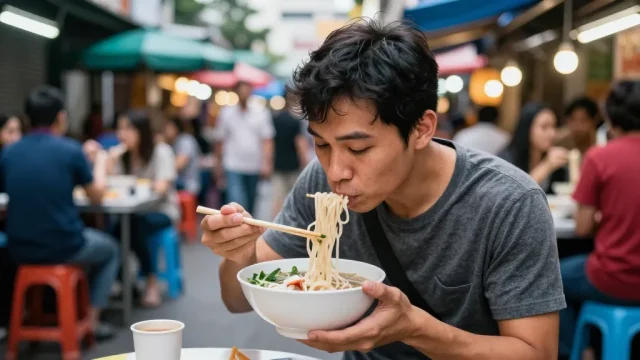
Pho is the most iconic breakfast dish in Vietnam and is often considered the national dish. It is a flavorful broth-based soup made with rice noodles, herbs, and thinly sliced beef. The broth is typically made from simmered bones and spices, giving it a rich and aromatic base. Pho is usually served with lime, chili, and fresh herbs, allowing diners to customize the flavor to their liking.
Pho is not only a breakfast staple but also a comfort food that is enjoyed throughout the day. It is widely available in street food stalls, small eateries, and even high-end restaurants. The dish reflects Vietnam’s love for fresh ingredients and balanced flavors, making it a perfect start to the day.
Banh Mi: A Street Food Favorite
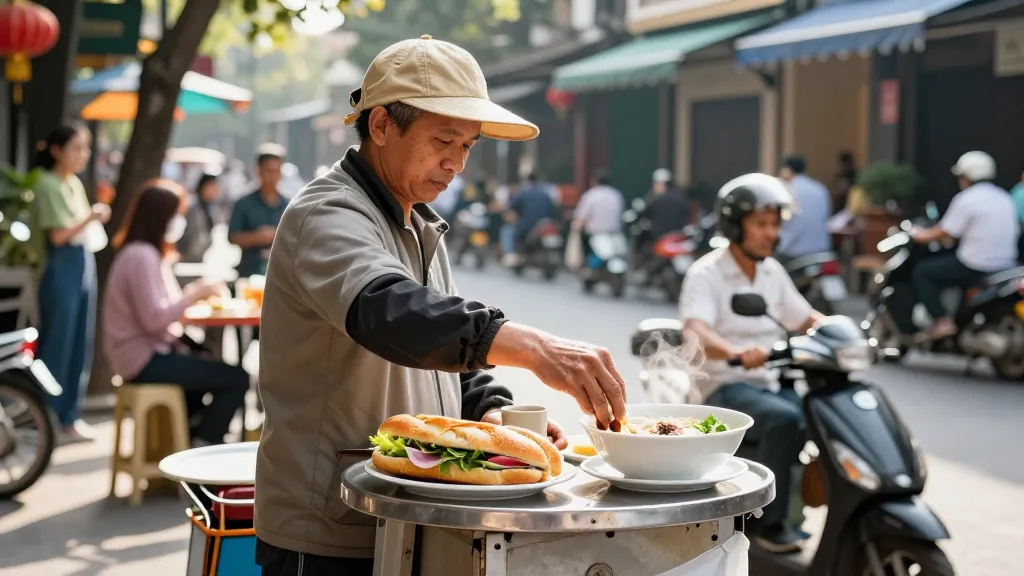
Banh Mi is a popular Vietnamese sandwich that has become a street food favorite. It is typically made with a crispy baguette and filled with a variety of ingredients such as grilled pork, pâté, pickled vegetables, and fresh herbs. The combination of textures and flavors makes Banh Mi a beloved breakfast option for many locals.
Banh Mi is a great example of how Vietnamese cuisine blends French and local influences. The baguette, introduced during French colonial times, is adapted to suit Vietnamese tastes. The sandwich is often eaten on the go, making it an ideal choice for a quick and satisfying morning meal.
Breakfast in Hanoi: A Taste of the Capital
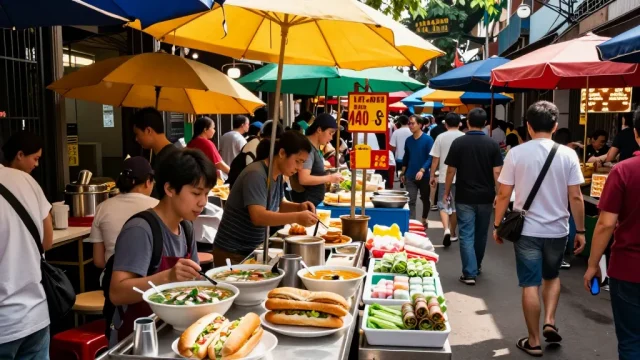
Hanoi's breakfast scene is a vibrant reflection of the city's cultural identity, offering a blend of tradition and innovation. Whether you're wandering through the bustling streets or settling into a cozy nook, you'll find a wide array of options that cater to both locals and visitors. From humble street food stalls to refined cafes, Hanoi's morning meal is as diverse as its history.
Best Breakfast Spots in Hanoi
Among the best breakfast spots in Hanoi, street food stalls stand out for their authenticity and affordability. These small, often unmarked vendors serve a range of dishes that highlight the city's culinary heritage. Locals often flock to these spots for their fresh ingredients and quick service, making them a favorite for a morning bite. While some stalls operate from early morning, others open later, catering to those who prefer a more leisurely start to the day.
Local Favorites in the Old Quarter
The Old Quarter is a must-visit for anyone looking to experience the heart of Hanoi's breakfast culture. This historic area is alive with the sounds and smells of traditional dishes, many of which have been passed down through generations. Here, you'll find small family-run eateries that offer a warm, welcoming atmosphere. These places often serve classics like pho or banh mi, alongside more regional specialties, making them a perfect spot to savor the local flavor.
Tips for Trying Vietnamese Breakfast
Trying Vietnamese breakfast can be a delightful experience, but it requires a few practical tips to make the most of your visit. Understanding how to pay and what to expect will help you navigate local eateries and street food stalls with confidence.
- Bring cash as many street vendors do not accept cards.
- Be prepared to try new flavors and ingredients.
- Ask locals for recommendations on the best breakfast spots.
How to Pay for Vietnamese Breakfast
Most street vendors in Vietnam do not accept credit or debit cards, so it's essential to carry enough cash. Small denominations are preferred, especially in markets and local eateries where transactions are often made in cash. While some larger restaurants may accept card payments, relying on cash ensures you can enjoy the full range of breakfast options without any payment hurdles.
What to Expect When Trying Local Breakfasts
Vietnamese breakfasts are often bold in flavor, with a mix of spicy, sour, sweet, and salty elements that may be unfamiliar to international visitors. Don’t hesitate to try new ingredients like fresh herbs, fermented fish sauce, or pickled vegetables, which are commonly used to enhance the taste. If you're unsure about a dish, ask the vendor for a smaller portion or a mild version to ease into the local flavors.
Comparing Vietnamese Breakfast with Other Countries
Vietnamese breakfast stands out for its complexity, affordability, and diverse ingredients, offering a unique contrast to breakfast traditions in the West and Thailand. While Western breakfasts often focus on simplicity and convenience, Vietnamese meals are rich in texture and flavor. Similarly, Thai breakfasts emphasize bold spices and fresh produce, but they differ in structure and cost.
| Aspect | Vietnamese Breakfast | Western Breakfast | Thai Breakfast |
|---|---|---|---|
| Complexity | Elaborate with multiple components | Simple and straightforward | Bold and spicy with few components |
| Affordability | Very affordable | Expensive | Moderately priced |
| Ingredients | Fresh vegetables, eggs, meat, and rice | Processed foods, toast, and dairy | Herbs, fish sauce, and rice |
| Cultural Significance | A daily ritual with social importance | A quick start to the day | A reflection of regional diversity |
Vietnamese Breakfast Vs. Western Breakfast
Vietnamese breakfast is more elaborate than its Western counterpart, often featuring multiple dishes such as Pho, Banh Mi, and fresh fruits. In contrast, Western breakfasts typically revolve around toast, eggs, and coffee. The Vietnamese approach emphasizes a balance of flavors and textures, while Western meals prioritize speed and convenience. This difference reflects broader cultural values, with Vietnamese meals often being a communal and reflective part of the day.
Vietnamese Breakfast Vs. Thai Breakfast
Thai breakfasts, while also diverse, tend to be more concentrated in flavor and fewer in quantity compared to Vietnamese meals. Thai dishes like Khao Tom and Som Tum are bold and spicy, but they lack the variety and balance found in Vietnamese breakfasts. Vietnamese cuisine incorporates a wider range of ingredients, including fresh herbs, vegetables, and meats, making it a more comprehensive meal. This contrast highlights how each country’s breakfast culture reflects its culinary heritage and dietary habits.
Frequently Asked Questions
What are the most common breakfast items in Vietnam?
Common breakfast items in Vietnam include pho, banh mi, banh chung, and fresh fruits. These dishes are rich in flavor and often include ingredients like rice noodles, grilled meats, and herbs.
Are there any vegetarian options for Vietnamese breakfast?
Yes, there are vegetarian options such as banh mi with tofu, fresh spring rolls, and vegetable pho. Many local vendors also offer meat-free versions of traditional dishes.
How much does a typical Vietnamese breakfast cost?
A typical Vietnamese breakfast costs between $2 and $5, depending on the location and the type of dish. Street food options are generally more affordable than restaurant meals.
Can I find vegetarian breakfast options in Hanoi?
Yes, Hanoi offers several vegetarian breakfast options, including meat-free banh mi and vegetarian pho. Many local cafes and street vendors cater to dietary preferences.
Final Thoughts
Vietnamese breakfast culture emphasizes fresh ingredients and a balance of flavors. From the iconic pho to the beloved banh mi, these dishes reflect the country's rich culinary heritage.
To experience authentic Vietnamese breakfast, explore local markets and street food stalls in Hanoi. With a few simple tips, you can enjoy a delicious and affordable meal that captures the essence of Vietnamese cuisine.