Exotic Fruits of Vietnam: Discover Dragon Fruit, Rambutan, Mangosteen, and Durian
 vietgo9 min read
For travelers seeking to savor the flavors of Vietnam, the country's Exotic Fruits of Vietnam: Dragon Fruit, Rambutan, Mangosteen, and Durian offer a delightful journey into the heart of local culture and nature. Vietnam’s tropical climate and fertile soil create the perfect environment for a wide variety of fruits, many of which are rare or unknown outside the region. These exotic fruits are not only delicious but also deeply rooted in Vietnamese traditions, making them a must-try for any visitor looking to experience the country’s culinary uniqueness.
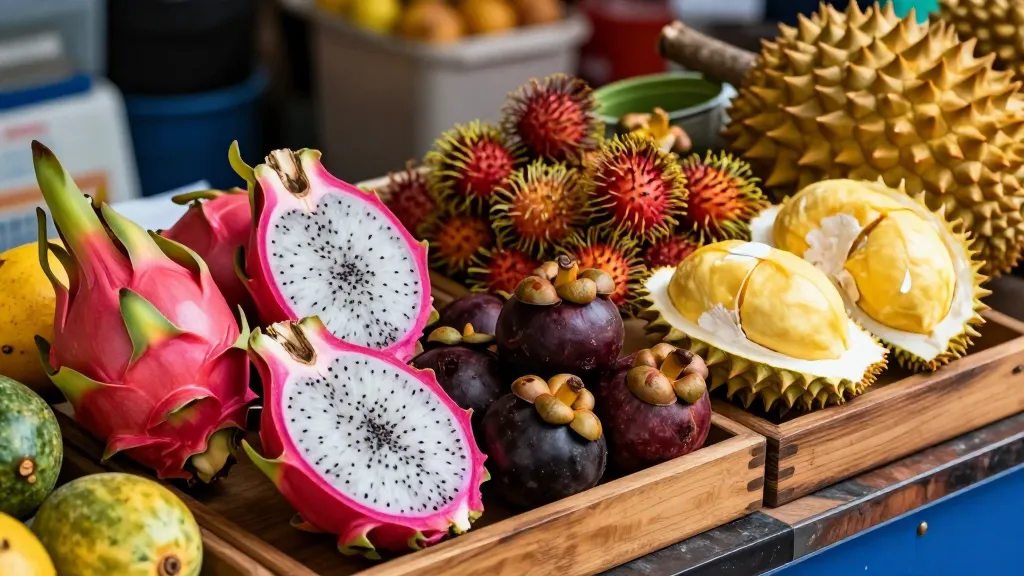
From the vibrant pink of dragon fruit to the hairy exterior of rambutan, these fruits are as visually striking as they are flavorful. Each one brings a distinct taste and texture, showcasing the diversity of Vietnam’s agricultural landscape. Whether you're a fruit enthusiast or simply curious about local specialties, Vietnam’s exotic fruits provide an unforgettable sensory experience.
This article explores the top exotic fruits to try, where to find them, and how to enjoy them to the fullest. Whether you're wandering through a bustling fruit market or savoring a fruit in a local café, these tips will help you make the most of your visit and discover the true essence of Vietnam’s fruit bounty.
Introduction to Exotic Fruits of Vietnam
Vietnam's tropical climate and fertile soil make it a paradise for fruit lovers, offering an abundance of exotic fruits that are both visually stunning and delicious. From the vibrant hues of dragon fruit to the sweet, hairy rambutan, these fruits are a testament to the country's rich agricultural heritage and diverse ecosystems. For travelers seeking authentic experiences, Vietnam's fruit markets and local stalls are a gateway to discovering the flavors and textures that define the region's culinary identity.
Why Vietnam Is a Fruit Lover's Paradise
Vietnam's tropical climate, combined with its varied geography—from mountainous regions to coastal lowlands—creates an ideal environment for cultivating a wide range of fruits. The country's warm temperatures and consistent rainfall support year-round fruit production, ensuring that exotic fruits are not only available but also at their peak quality. This diversity allows for a unique blend of flavors and textures that captivate both locals and visitors alike.
The Role of Exotic Fruits in Vietnamese Cuisine
Exotic fruits play a vital role in Vietnamese cuisine, often used in both sweet and savory dishes to enhance flavor and texture. While many of these fruits are enjoyed fresh, they are also incorporated into traditional recipes, such as fruit-based desserts or pickled dishes that showcase their natural sweetness and tartness. For travelers, sampling these fruits is not just a culinary adventure but also a way to connect with the local culture and traditions that shape the country's food landscape.
Top Exotic Fruits to Try in Vietnam
Vietnam is home to a variety of exotic fruits that offer a unique sensory experience. Among the most popular are dragon fruit, rambutan, mangosteen, and durian, each with its own distinct flavor and texture. These fruits are not only delicious but also rich in nutrients, making them a favorite among locals and visitors alike. When exploring the local markets, travelers can expect to encounter these fruits in abundance, often displayed in colorful stalls that reflect their natural beauty.
- Dragon fruit is a popular exotic fruit with vibrant colors and a sweet flavor.
- Rambutan is known for its hairy exterior and soft, sweet flesh.
- Mangosteen is a tropical fruit with a unique taste and medicinal properties.
- Durian is famous for its strong odor and creamy texture.
Dragon fruit, also known as pitaya, is a standout due to its vibrant pink or yellow color and sweet, mild flavor. It is often eaten raw, sliced into fruit salads, or blended into smoothies. Rambutan, with its hairy exterior, is another eye-catching fruit. Its soft, sweet flesh is often eaten fresh or used in desserts. Mangosteen, often referred to as the 'queen of fruits,' has a unique taste that is both sweet and tangy, with a creamy texture. It is also believed to have medicinal properties, which has made it a popular choice in traditional Vietnamese medicine.
Where to Find Exotic Fruits in Vietnam
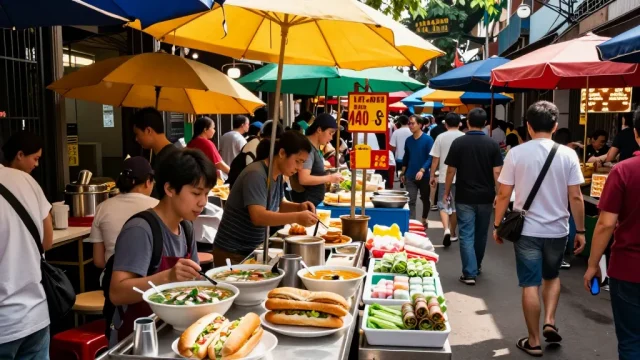
For travelers eager to discover the vibrant world of exotic fruits in Vietnam, local markets are the ultimate destination. These bustling hubs offer a sensory experience, where the air is filled with the scent of ripe produce and the vibrant colors of fruits from across the country. Whether you're in a major city or a quieter town, the markets are a gateway to authentic, fresh, and often rare fruits.
Exploring Fruit Markets in Vietnam
Major cities like Hanoi, Ho Chi Minh City, and Da Nang are home to fruit markets that showcase the best of Vietnam's exotic produce. In Hanoi, the Old Quarter markets such as Hang Mai and Hang Luoc are famous for their fresh fruits, including rambutan and durian. Ho Chi Minh City’s Ben Thanh Market offers a wide selection of tropical fruits, while Da Nang’s markets are known for their high-quality mangosteen and dragon fruit. These markets are not only great for sampling but also for finding the freshest options available.
Tips for Buying Exotic Fruits in Vietnam
Beyond the main markets, specialty stores and street vendors provide additional opportunities to explore exotic fruits. In cities like Hanoi, you can find small shops specializing in tropical fruits, often with a selection of durian and rambutan. Street vendors, especially in markets and food stalls, offer fruits at affordable prices and are a great way to try local favorites. However, some fruits like mangosteen are more commonly found in southern regions, so travelers should consider visiting specific areas to experience the full range of Vietnam's exotic fruit offerings.
How to Enjoy Exotic Fruits in Vietnam
Many exotic fruits in Vietnam are best enjoyed fresh and raw, preserving their natural sweetness and vibrant flavor. Dragon fruit, for example, is often sliced and served as a colorful snack, while rambutan can be eaten whole, with its soft, sweet flesh inside the spiky shell. Mangosteen is typically peeled and eaten by hand, revealing its creamy segments, and durian, despite its strong aroma, is often sliced and eaten directly or used in smoothies. To experience these fruits at their peak, look for them in local markets or street vendors who sell them fresh and unprocessed.
Some exotic fruits are also incorporated into traditional Vietnamese dishes and desserts, offering a unique way to enjoy their flavors. Durian, for instance, is used in both savory and sweet dishes, such as durian cakes and soups. Mangosteen is sometimes blended into smoothies or used as a topping for desserts. Rambutan is occasionally used in fruit salads or as a garnish in sweet dishes. Trying these fruits in different forms can provide a deeper appreciation of their versatility and cultural significance.
To maximize the flavor of each fruit, it’s important to know the best ways to consume them. For example, dragon fruit is best eaten raw, while rambutan should be peeled and eaten immediately after cutting. Mangosteen is often enjoyed as a snack, and durian is best sliced and eaten fresh. Experimenting with these fruits in various ways can turn a simple snack into a memorable culinary experience.
Enjoying exotic fruits in Vietnam can be a fun and educational experience for travelers. Learning about the history, cultural significance, and preparation methods of each fruit adds depth to the experience. Whether you’re trying a fruit for the first time or revisiting a favorite, taking the time to appreciate its taste and texture can make your visit more rewarding. Engaging with local vendors and food enthusiasts can also provide valuable insights into the role of these fruits in Vietnamese culture.
Tips for Travelers Looking to Try Exotic Fruits
When visiting Vietnam to try exotic fruits, it's essential to have cash on hand. Many fruit markets, especially in rural areas, may not accept credit or debit cards, making cash the most reliable payment method. Be sure to carry enough Vietnamese Dong (VND) or consider exchanging currency at a local bank before heading to the markets.
- Bring cash for fruit purchases, as some markets may not accept cards.
- Learn the local names of fruits to communicate better with vendors.
- Be aware of the seasonality of each fruit to know when they are available.
- Try to sample a variety of fruits to experience the full range of flavors.
Learning a few local names of fruits can greatly enhance your experience. Vendors may not always speak English, and knowing the names can help you communicate more effectively and even negotiate prices. Simple phrases like 'mangosteen' or 'rambutan' can open the door to a richer fruit-buying experience.
Understanding the seasonality of each fruit is crucial for planning your visit. Some exotic fruits are only available during specific times of the year, so knowing when they are in season can help you make the most of your trip. For example, durian is typically available from September to March, while mangosteen is in season from May to August.
To fully appreciate the diversity of Vietnam's exotic fruits, try sampling a variety of options. Each fruit offers a unique flavor profile, from the sweet and tangy dragon fruit to the creamy and aromatic durian. Exploring different fruits will give you a deeper insight into the country's rich culinary traditions and natural bounty.
Frequently Asked Questions
Are the exotic fruits in Vietnam safe to eat?
Exotic fruits in Vietnam are generally safe to eat, provided they are fresh and properly handled. Most are consumed fresh or cooked, and many are commonly eaten in local markets and homes. Always check for signs of spoilage and ensure fruits are clean before eating.
Can I find all these fruits in the same market?
While some markets may carry a variety of exotic fruits, it's more common to find specific fruits in different locations. For the best selection, explore multiple markets or visit fruit-specialized stores, especially in major cities like Hanoi or Ho Chi Minh City.
What is the best time to visit Vietnam to try these fruits?
The best time to try exotic fruits in Vietnam is during the dry season, from November to April, when many fruits are in peak season. This period offers the widest variety and highest quality of tropical fruits across the country.
Do I need to bring anything special to eat these fruits?
You don't need to bring anything special to enjoy exotic fruits in Vietnam, as most are available fresh in local markets. However, bringing a small knife or cutting board may help you prepare fruits like durian or rambutan for eating.
Final Thoughts
Vietnam's exotic fruits offer a unique and delicious experience for travelers. From the sweet dragon fruit to the exotic durian, these fruits are not only delicious but also an integral part of Vietnamese culture and cuisine. Exploring fruit markets and local vendors is the best way to discover and enjoy these tropical treasures.
To make the most of your visit, plan your trip during the dry season and be ready to try new flavors. With a bit of curiosity and an open palate, you'll find that Vietnam's exotic fruits are a highlight of any journey.