Must-Try Vietnamese Desserts: Che Sweet Soup, Flan, and Sticky Rice
 vietgo8 min read
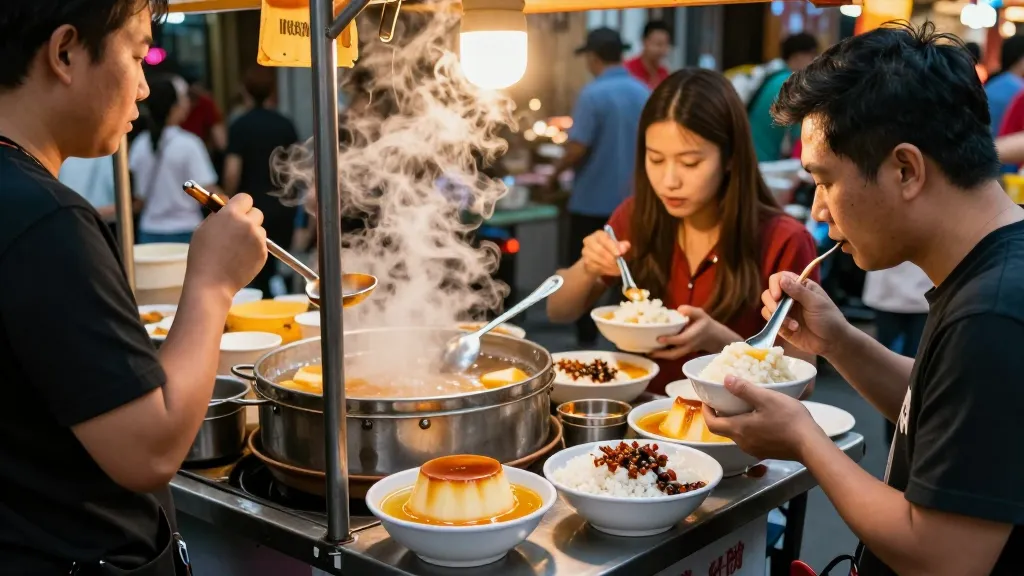
For travelers seeking to savor the rich flavors of Vietnam, dessert is an essential part of the culinary journey. Whether you're exploring bustling street markets or cozy local shops, Vietnamese desserts offer a unique blend of sweetness and tradition. This article explores the Must-Try Vietnamese Desserts: Che Sweet Soup, Flan, and Sticky Rice, three iconic treats that highlight the country's deep-rooted culinary heritage. Each dessert tells a story of history, culture, and local ingredients, making them must-try experiences for any visitor.
From the comforting warmth of Hanoi to the vibrant streets of Hoi An and the modern charm of Ho Chi Minh City, these desserts are widely available and often prepared with care by local vendors. Che, a sweet soup made with coconut milk and rice, is a beloved staple, while flan, a creamy custard, offers a creamy alternative. Sticky rice, often served with tropical fruits, is a sweet and satisfying delight.
This guide also covers where to find these desserts, how to enjoy them while traveling, and the etiquette surrounding their consumption. Whether you're a first-time visitor or a returning traveler, these insights will help you make the most of your Vietnamese dessert adventure.
What Are the Must-Try Vietnamese Desserts?
Vietnamese desserts are a celebration of sweet, creamy, and sometimes unexpected flavors, often rooted in tradition and regional specialties. Among the most popular are Che, a sweet soup with cultural significance, Flan, a custard with a unique Vietnamese twist, and Sticky Rice, a dish that balances sweetness and texture. These desserts are not only delicious but also offer a glimpse into the country’s culinary heritage and the way food is shared and enjoyed in everyday life.
Che: A Sweet Soup with Cultural Roots
Che, or sweet soup, is a beloved dessert in Vietnam, often made with ingredients like coconut milk, beans, and rice. It is a staple in many households and is particularly popular during festivals and family gatherings. The creamy texture and sweet, aromatic flavors of Che reflect its deep cultural roots, making it a symbol of comfort and tradition in Vietnamese cuisine.
Flan: The Vietnamese Version of Custard
Flan, known as 'flan' in Vietnam, is a custard-like dessert that differs from its Western counterpart in both texture and ingredients. Vietnamese Flan is typically made with coconut milk, which gives it a richer, more indulgent flavor. Its smooth and silky consistency, paired with a subtle sweetness, makes it a favorite among locals and visitors alike.
Sticky Rice: A Sweet and Sticky Delight
Sticky Rice, or 'banh bot', is a sweet and chewy dessert often served with coconut milk. It is a popular treat in many regions of Vietnam and is frequently enjoyed as a snack or dessert. The combination of the sticky, sweet rice and the creamy coconut milk creates a unique and satisfying experience, highlighting the balance of flavors that define Vietnamese desserts.
Where to Find These Desserts in Vietnam
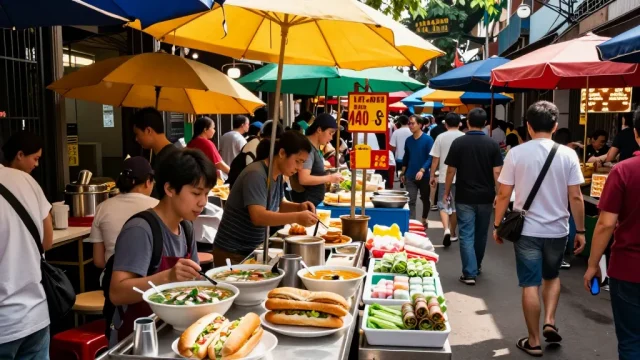
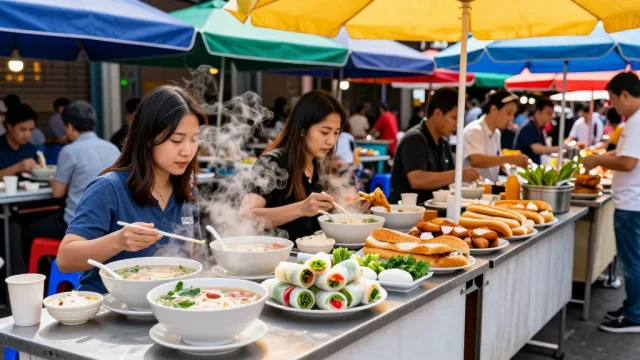
Vietnam's major cities and street markets are treasure troves for dessert lovers, offering unique spots to enjoy traditional treats like Che, Flan, and Sticky Rice. Each city has its own charm and specialties, making it easy to find authentic vendors and immersive experiences.
Hanoi: A Sweet Spot for Che and Sticky Rice
In Hanoi, Che and Sticky Rice are staples, often found in bustling markets and family-run shops. Head to Hoan Kiem Lake area or Old Quarter for authentic Che, usually served in small bowls with toppings like coconut and lime. Sticky Rice, or 'com duc,' is best enjoyed at local eateries like Pho Xa or street vendors in the Old Quarter, where it's typically served with mung beans and banana.
Hoi An: A Hub for Flan and Street Food Desserts
Hoi An is renowned for its Flan, a creamy dessert that differs from its French counterpart with a richer texture and a subtle caramel flavor. Visit the Hoi An Night Market or local dessert shops like Pho Mai Huong for a taste of this sweet treat. The city also offers a variety of street food desserts, including coconut pancakes and banana fritters, which are perfect for sampling on the go.
Ho Chi Minh City: A Sweet Destination for All Three
Ho Chi Minh City, or Saigon, is a sweet destination for all three desserts, with a wide range of options available in both traditional and modern settings. For Che, check out districts like Ben Thanh or District 1, where vendors offer both sweet and savory versions. Flan can be found in many cafes and dessert shops, while Sticky Rice is commonly served at local markets and street food stalls throughout the city.
How to Enjoy Vietnamese Desserts on the Go
When exploring Vietnam, enjoying desserts on the go can be a delightful way to experience local culture. Whether you're wandering through street markets or grabbing a quick bite, knowing how to eat dessert like a local and balance your meals will enhance your experience without overindulging.
Eating Desserts Like a Local
Eating desserts like a local involves embracing small, frequent servings rather than large portions. In Vietnam, street vendors often serve desserts in modest quantities, allowing you to sample multiple varieties without overeating. Opt for fresh, hand-pulled sticky rice or a small bowl of che, and consider pairing it with a light snack or drink to savor the flavors slowly. This approach not only respects local eating habits but also helps you enjoy more without feeling overwhelmed.
Tips for Balancing Sweet and Savory Meals
To balance sweet treats with meals, pair desserts with savory or protein-rich dishes. A bowl of che can be a perfect contrast to a spicy noodle soup, while flan complements a simple bowl of pho. Avoid eating dessert immediately after a heavy meal, as it can lead to discomfort. Instead, wait a few hours or choose lighter meals to allow your body to process the sweetness. This strategy ensures you enjoy desserts without compromising your overall health or appetite.
A Comparison of Che, Flan, and Sticky Rice
Che, flan, and sticky rice are three distinct Vietnamese desserts, each offering a unique sensory experience. Che is a sweet soup made from coconut milk, sugar, and a mix of fruits like mango or longan, creating a creamy and mildly sweet texture. Flan, a Vietnamese custard, is made with egg yolks, condensed milk, and sometimes coconut milk, resulting in a silky and rich texture. Sticky rice, on the other hand, is made by steaming rice in coconut milk and then sweetening it with sugar, giving it a chewy and slightly sticky consistency. While all three are sweet, they differ in their base ingredients and how they are prepared.
| Dessert | Ingredients | Texture | Flavor | Serving Style | Best Time to Try |
|---|---|---|---|---|---|
| Che | Coconut milk, sugar, fruits | Creamy, slightly thick | Sweet, fruity, and mild | Served in a bowl with garnishes | After a meal |
| Flan | Egg yolks, condensed milk, coconut milk | Silky, smooth, and rich | Sweet, creamy, and slightly nutty | Served in a small individual dish | As a snack or breakfast |
| Sticky Rice | Rice, coconut milk, sugar | Chewy, slightly sticky | Sweet, nutty, and aromatic | Served in a banana leaf or container | As a snack or during festivals |
Che is typically served in a bowl, often garnished with fresh fruits and sometimes a sprinkle of sesame seeds. Flan is usually presented in a small, individual serving, often with a caramelized top. Sticky rice is commonly found in a banana leaf or small container, and may be served with toppings like crushed peanuts or dried fruit. The serving style reflects the dessert’s origin and cultural context, with each dish being enjoyed in a way that complements its texture and flavor.
Che is best enjoyed after a meal, as its creamy texture pairs well with savory dishes. Flan is often a dessert option for breakfast or as a light snack, especially in the morning. Sticky rice is traditionally eaten as a sweet treat during festivals or as a snack, particularly in the afternoon. Each dessert offers a different way to experience the sweetness of Vietnamese cuisine, depending on the time of day and the occasion.
A Guide to Vietnamese Dessert Etiquette
Understanding Vietnamese dessert etiquette enhances your cultural experience and ensures you enjoy these treats with respect and confidence. Whether you're sharing with family or ordering from a bustling street market, knowing the local customs helps you navigate interactions smoothly and avoid common missteps.
Sharing Desserts in Vietnamese Culture
In Vietnamese culture, sharing desserts is a common and cherished practice, especially during family gatherings or festivals. It is customary to offer a portion of your dessert to others, reflecting the communal and hospitable nature of Vietnamese society. When dining with friends or family, expect to share dishes, and it is polite to accept a small portion from others as a gesture of goodwill.
Ordering Desserts in Street Food Markets
When ordering desserts at street food stalls, it is polite to be clear about your preferences and to ask for recommendations. Vietnamese vendors are often proud of their local specialties and may suggest options based on your taste. It is also considerate to pay promptly and offer a small tip if you feel inclined, though this is not expected. Avoid overordering or taking too much from a single stall, as this may be seen as impolite in a shared environment.
Frequently Asked Questions
Are these desserts safe to eat if I have dietary restrictions?
Many Vietnamese desserts contain dairy, sugar, and coconut, which may not suit all dietary needs. Some versions use rice flour or alternative sweeteners, but it's best to check with vendors or opt for vegan-friendly options.
Can I bring Vietnamese desserts back home as souvenirs?
Yes, you can bring small portions of desserts like flan or sticky rice as souvenirs, but be mindful of customs regulations. Larger items may require declaration and may be subject to import duties.
How much do these desserts cost in Vietnam?
Prices vary depending on the location and vendor, but a serving of che, flan, or sticky rice typically costs between 20,000 and 50,000 VND. Street vendors often offer more affordable options.
Are there any vegetarian or vegan options among these desserts?
Some versions of these desserts can be made vegetarian or vegan, but traditional recipes often include dairy or animal products. Look for vendors offering plant-based alternatives or ask for modifications.
Final Thoughts on Vietnamese Desserts
Vietnamese desserts offer a unique blend of flavors and textures, rooted in tradition and culture. Whether you're savoring a bowl of che, a slice of flan, or a spoonful of sticky rice, these treats are worth trying for their authenticity and taste.
To fully experience the sweetness of Vietnam, consider visiting local markets and street food stalls. Try to balance your dessert with a savory meal, and don't hesitate to ask for modifications if you have dietary needs. Your next sweet adventure awaits!